
Sweet Potato Purple Skin: A Guide for International Buyers and Exporters
Discover why sweet potato purple skin varieties offer unique market opportunities. Expert insights on quality, nutrition, and export potential.
Purple-skinned sweet potatoes are gaining attention in international markets because of their distinctive appearance, nutritional profile, and versatility. Their deep purple color makes them particularly attractive for premium fresh-produce markets, specialty retailers, foodservice, and food manufacturers looking for differentiated ingredients.
For importers and distributors, however, sourcing sweet potato purple skin products involves more than finding an attractive variety. Buyers need to consider cultivar, size, appearance, maturity, post-harvest handling, packaging, storage, transportation, and destination-market requirements.
Indonesia offers an interesting sourcing opportunity. The country's tropical growing conditions and established farming communities support the production of several sweet potato varieties, including purple-fleshed and purple-skinned types. West Java is particularly relevant for exporters working with established farming partners.
PT Cakra Baja Niaga works with partner farms in West Java to connect international buyers with export-quality Indonesian sweet potatoes, including specialty varieties for wholesale, retail, foodservice, and food-processing applications.
This guide explains the characteristics buyers should consider when sourcing purple-skinned sweet potatoes, how quality is maintained after harvest, and what importers should look for when selecting a reliable supplier.
Understanding Purple-Skinned Sweet Potato Varieties
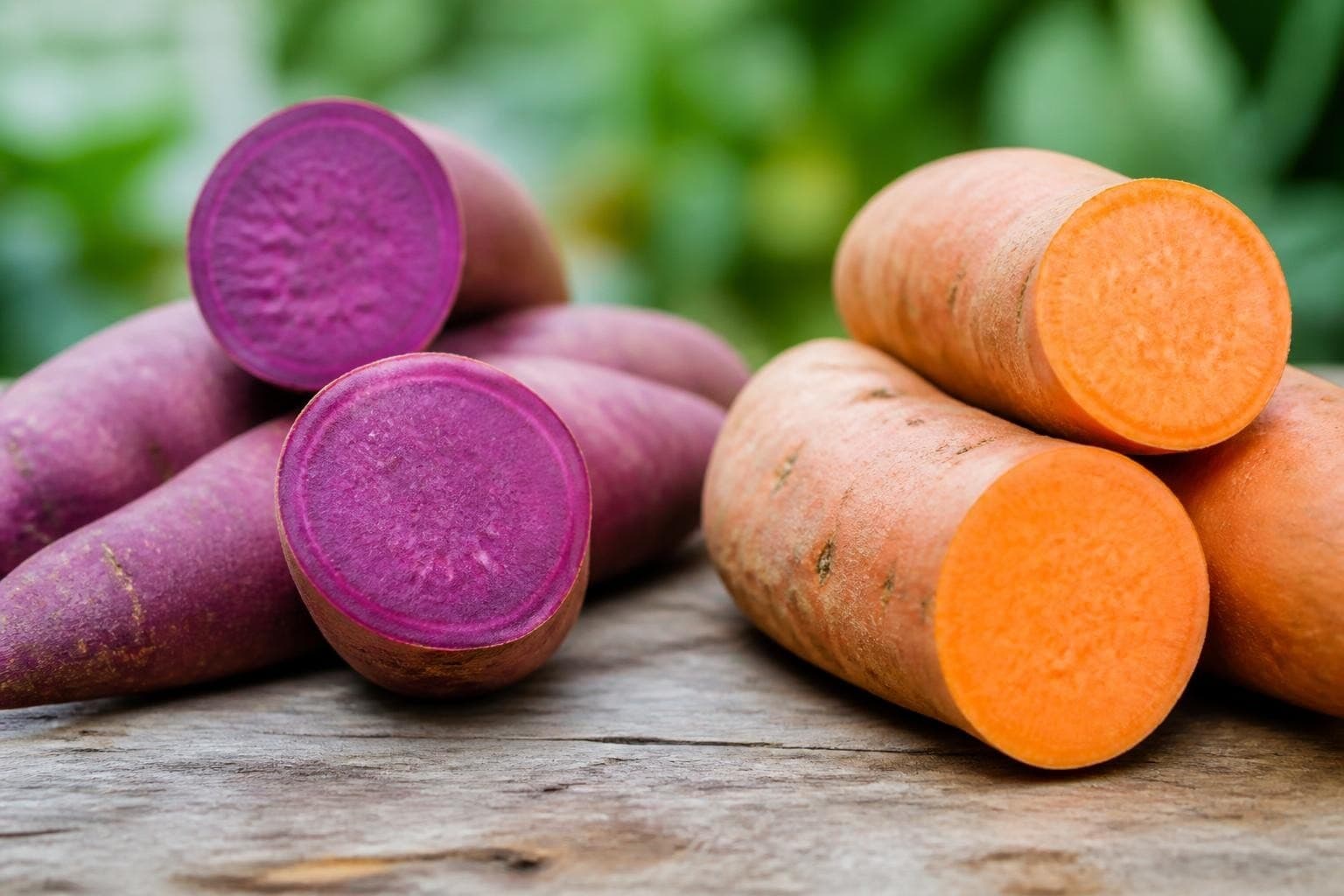
Purple-skinned sweet potatoes encompass several cultivars with different combinations of skin color, flesh color, sweetness, texture, and cooking characteristics.
It is important to distinguish between purple skin and purple flesh. Some varieties have purple or reddish-purple skin with white, cream, orange, or yellow flesh, while others are purple throughout. These differences can significantly affect their appearance, culinary applications, and market positioning.
The purple coloration is associated with anthocyanin pigments. Anthocyanins are naturally occurring compounds found in many purple, red, and blue fruits and vegetables and are widely studied for their antioxidant properties.
For commercial buyers, variety selection should be based on the intended application rather than color alone. Retail customers may prioritize appearance, while restaurants and food manufacturers may place greater emphasis on texture, sweetness, dry-matter content, and cooking performance.
Characteristics of Premium Export Quality
When evaluating purple-skinned sweet potatoes for export, buyers should pay attention to several quality characteristics:
-
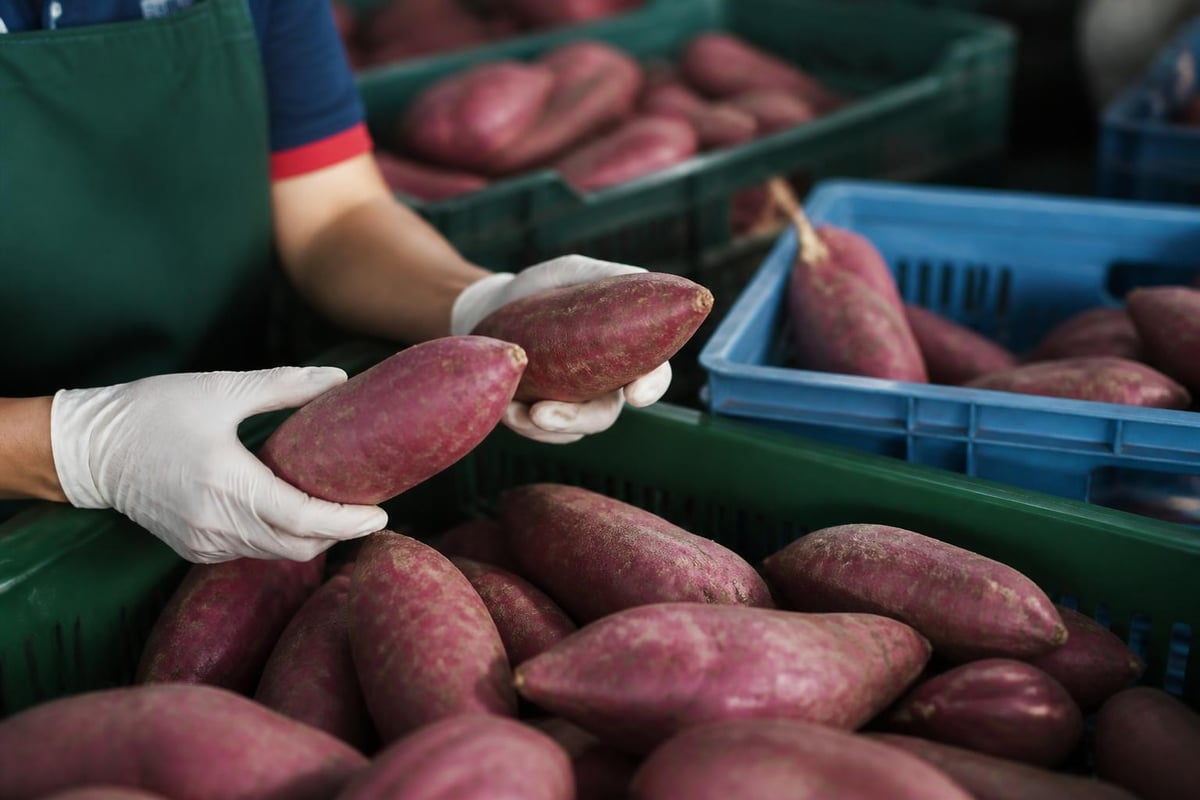
Skin condition: Clean, intact skin with minimal cuts, cracks, bruising, or excessive scarring
-
Firmness: Firm tubers without soft or deteriorated areas
-
Size consistency: Uniform sizing appropriate for the intended market
-
Shape: Consistent shape that supports efficient packing and retail presentation
-
Color: Consistent and characteristic skin coloration for the selected variety
-
Maturity: Harvested at an appropriate stage for the intended market and shipping conditions
-
Post-harvest condition: Properly handled and cured where appropriate
These factors influence both appearance and performance during storage and transportation.
Rather than relying on a generic definition of "premium," buyers and suppliers should agree on specific acceptance criteria before shipment.
Nutritional Profile and Market Positioning
Purple sweet potatoes can offer an interesting marketing proposition because of their distinctive color and naturally occurring anthocyanins.
Their nutritional composition varies according to cultivar and growing conditions, so exporters should avoid treating every purple-skinned variety as nutritionally identical. For commercial purposes, the strongest positioning usually combines nutritional characteristics with visual differentiation and culinary versatility.
This creates opportunities across several premium categories.
Potential Market Segments
Purple-skinned sweet potatoes may appeal to:
-
Specialty produce retailers looking for visually distinctive products
-
Health-focused retailers offering nutrient-rich whole foods
-
Restaurants and foodservice businesses seeking unusual ingredients
-
Asian specialty markets familiar with purple sweet potato varieties
-
Food manufacturers developing products with naturally colorful ingredients
-
Premium grocery retailers looking to differentiate their fresh-produce range
The commercial opportunity is therefore not limited to consumers purchasing sweet potatoes for home cooking. Purple varieties can also serve businesses looking for ingredients that provide visual and product differentiation.
Cultivation and Supply Chain Considerations
Producing export-quality purple-skinned sweet potatoes requires consistency throughout the growing and post-harvest process.
For Indonesian exporters working with partner farms, maintaining consistent specifications across different production areas can be particularly important. Soil conditions, weather, planting schedules, cultivar selection, and farm practices can all influence final product quality.
West Java provides favorable agricultural conditions for sweet potato cultivation, but successful export programs require more than favorable growing conditions. Farm coordination, harvest timing, sorting, grading, and post-harvest handling all contribute to the quality received by the buyer.
Growing for Export Quality
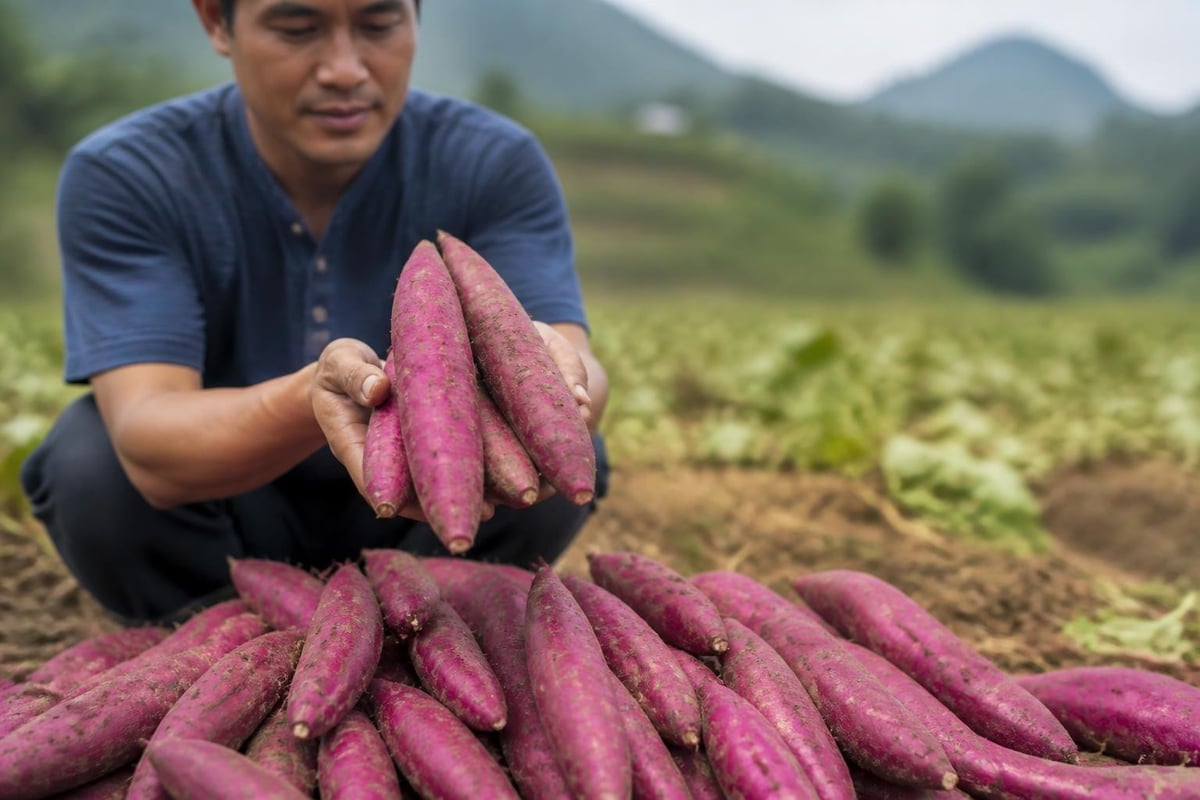
The exact growing period depends on the cultivar and local production conditions. Instead of applying one harvest schedule to every purple-skinned variety, exporters should work with growers to determine the appropriate maturity point for each product.
Important factors include:
-
Soil condition
-
Water management
-
Nutrient management
-
Weather
-
Variety selection
-
Planting date
-
Harvest maturity
Harvest timing is particularly important.
Harvesting too early can result in immature tubers with more vulnerable skin, while harvesting too late can produce oversized products or reduce consistency with the buyer's specifications.
For export programs, harvest decisions should therefore be based on agreed product specifications and destination requirements, not simply on a fixed number of days after planting.
Post-Harvest Handling
Post-harvest handling has a major influence on the condition of sweet potatoes during storage and transportation.
Curing
Curing can help heal minor skin damage and improve the durability of sweet potatoes after harvest. The appropriate curing conditions depend on the variety, facility, and production system.
For commercial exports, the curing process should be managed consistently rather than treated as an optional step.
Sorting and Grading
After harvest, sweet potatoes should be inspected and separated according to agreed quality specifications.
Sorting can remove products with:
-
Significant cuts
-
Soft spots
-
Severe bruising
-
Signs of decay
-
Excessive deformation
-
Other defects outside the agreed tolerance
Grading then allows products to be grouped by size and quality for their intended market.
Storage
Sweet potatoes are sensitive to inappropriate storage conditions. Excessively low temperatures can cause chilling injury, while excessive moisture, poor ventilation, or temperature fluctuations can contribute to deterioration.
Storage conditions should therefore be determined according to the specific variety and logistics program.
This is particularly important for international shipments where the product may spend considerable time between harvest and final distribution.
Market Opportunities for Purple-Skinned Sweet Potatoes
Purple-skinned sweet potatoes occupy an interesting position within the specialty produce market.
Their visual appearance can create differentiation in retail displays, while their natural pigmentation can also support applications in food manufacturing.
Fresh Retail
In retail, appearance is one of the most important factors influencing purchase decisions.
Uniform size, clean skin, attractive coloration, and good overall presentation can help specialty varieties command attention on supermarket shelves and in premium produce sections.
Foodservice
Restaurants and foodservice businesses can use purple sweet potatoes in:
-
Roasted dishes
-
Side dishes
-
Desserts
-
Purees
-
Specialty menus
-
Decorative food applications
The visual contrast created by purple pigmentation can be particularly useful for premium culinary presentation.
Food Manufacturing
Purple sweet potatoes can also be processed into products such as:
-
Puree
-
Powder
-
Flour
-
Chips
-
Frozen products
-
Bakery ingredients
-
Specialty beverages
The natural pigmentation of purple varieties can create opportunities for manufacturers interested in naturally derived color and distinctive ingredients.
However, processing suitability depends heavily on the specific cultivar, moisture content, dry matter, flavor, and processing method.
Quality Assurance for International Trade
Exporters supplying international markets need quality-control procedures that extend from the farm to the final shipment.
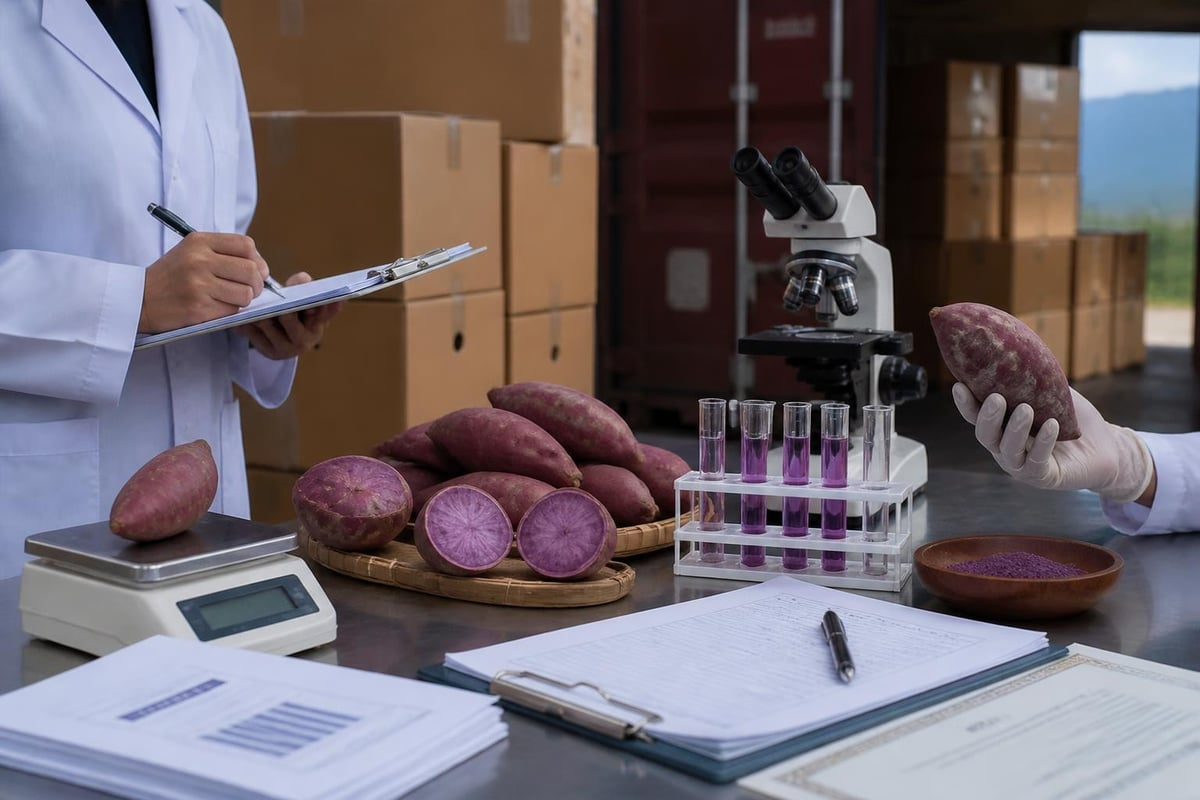
For purple-skinned sweet potatoes, quality assurance should cover both the physical condition of the product and the documentation required by the destination market.
Important Quality-Control Areas
A professional export program may include:
-
Farm traceability
-
Harvest controls
-
Sorting and grading
-
Quality inspection
-
Packaging inspection
-
Documentation
-
Phytosanitary compliance
-
Shipment monitoring
Specific requirements vary according to the destination country and buyer specifications.
For example, a premium retail customer may require tighter cosmetic tolerances than a food-processing customer. A buyer importing into a market with strict plant-health regulations may also require additional documentation.
The supplier should therefore understand the buyer's requirements before production and shipment rather than trying to address them after the product has already been harvested.
Packaging and Transportation
Packaging needs to protect the sweet potatoes while allowing appropriate handling and ventilation.
Potential export formats include:
-
Ventilated cartons
-
Mesh bags
-
Retail-ready cartons
-
Consumer packs
-
Bulk packaging for processing
The appropriate format depends on:
-
Destination
-
Distribution channel
-
Order volume
-
Product grade
-
Retail requirements
-
Shipping method
For premium fresh produce, packaging should minimize mechanical damage while maintaining adequate airflow.
International shipping also requires careful coordination between packaging, handling, storage, and transportation conditions. There is no single temperature or transit-time specification that applies equally to every purple-skinned variety.
The exporter and buyer should agree on the appropriate logistics protocol based on the cultivar, expected transit duration, destination, and receiving conditions.
Choosing the Right Variety for Your Market
Not every purple-skinned sweet potato is suitable for every customer.
The best variety depends on the buyer's target market and intended application.
Retail Buyers
Retailers may prioritize:
-
Attractive skin color
-
Uniform sizing
-
Clean appearance
-
Good shelf presentation
-
Consumer familiarity
Restaurants
Foodservice buyers may focus more on:
-
Flavor
-
Texture
-
Cooking performance
-
Consistent size
-
Reliable weekly supply
Food Manufacturers
Processors may prioritize:
-
Dry-matter content
-
Yield after processing
-
Color stability
-
Flavor
-
Consistent raw-material specifications
-
Cost per usable kilogram
This is why variety selection should take place before the sourcing program begins.
Taste and Cooking Performance
Purple-skinned sweet potatoes can differ significantly in taste and texture.
Some varieties have a mild sweetness and dense texture, while others may be softer, creamier, or more pronounced in flavor.
Cooking performance can also vary according to moisture and dry-matter characteristics.
For example:
-
Higher dry-matter varieties may perform well when roasted or baked.
-
Softer varieties may be suitable for steaming, boiling, or puree.
-
Varieties with strong pigmentation may be attractive for visually distinctive dishes and processed foods.
For commercial buyers, it is useful to evaluate samples before committing to a large-volume order.
A sample allows the buyer to assess not only appearance but also taste, texture, cooking behavior, and yield.
Building a Reliable Supply Partnership
For importers and distributors, a reliable supplier should provide more than a competitive quotation.
Long-term success depends on consistent product quality, communication, production planning, and logistics coordination.
When evaluating a purple sweet potato supplier, consider:
Farm Network
Does the exporter have established relationships with producing farms?
Quality Control
Are harvesting, sorting, grading, and packing procedures clearly defined?
Supply Planning
Can the exporter provide realistic information about availability and expected volumes?
Communication
Does the supplier respond quickly when product availability, pricing, or shipment conditions change?
Export Capability
Can the supplier coordinate documentation, packaging, freight, and shipment requirements?
PT Cakra Baja Niaga works with partner farms in West Java and coordinates the sourcing and export process for international buyers seeking Indonesian sweet potatoes.
For buyers developing a recurring procurement program, establishing specifications and forecasts in advance can help create a more predictable supply relationship.
Volume Planning and Seasonal Considerations
Although Indonesia can produce sweet potatoes across different regions and planting periods, availability can vary according to variety, weather, planting schedules, and market demand.
This means that buyers requiring regular shipments should not assume that every variety and grade will be available in exactly the same volume throughout the year.
A better approach is to plan procurement in advance.
Buyers can provide:
-
Expected monthly volume
-
Preferred varieties
-
Size requirements
-
Packaging specifications
-
Target shipment dates
-
Destination port
The exporter can then work with farming partners to assess availability and plan production accordingly.
This type of collaboration is particularly valuable for wholesalers and distributors that need predictable supply rather than occasional spot purchases.
Common Quality Issues
Even with careful production and post-harvest management, sweet potatoes can experience quality problems.
Understanding the most common issues helps buyers and exporters establish realistic specifications.
Skin Damage and Blemishing
Scratches, bruises, cuts, and other mechanical damage can occur during harvesting, handling, packing, or transportation.
Good handling practices and appropriate packaging can reduce these risks.
Discoloration
Uneven skin color can result from cultivar characteristics, growing conditions, handling, or storage.
Minor natural variation may be acceptable, but the buyer and supplier should establish cosmetic tolerances before shipment.
Chilling Injury
Sweet potatoes can be sensitive to excessively low temperatures. Chilling injury can affect internal quality and texture, which is why storage and transportation conditions need to be appropriate for the specific product.
Sprouting and Shrinkage
Extended storage can result in sprouting, moisture loss, and deterioration.
Proper post-harvest handling and appropriate storage conditions can help reduce these problems, but no fresh sweet potato has unlimited storage life.
Future Opportunities for Purple Sweet Potato Trade
Purple-skinned sweet potatoes are well positioned to benefit from several food-market trends.
Health and Wellness
Consumers continue to show interest in naturally nutritious whole foods and distinctive plant-based ingredients.
Visual Food Trends
Colorful ingredients can attract attention in retail, restaurants, and social media-driven food culture.
Purple sweet potatoes naturally provide a striking appearance without relying on artificial coloring.
Clean-Label Ingredients
Food manufacturers are also exploring naturally derived ingredients and colors. Purple sweet potatoes may offer opportunities in applications where natural pigmentation is commercially useful.
Product Innovation
The market opportunity extends beyond fresh whole sweet potatoes.
Future applications may include:
-
Powders
-
Purees
-
Frozen products
-
Chips
-
Bakery ingredients
-
Desserts
-
Beverages
-
Specialty food products
For exporters, these applications create opportunities to move beyond commodity-style fresh produce toward higher-value supply relationships.
Frequently Asked Questions About Purple-Skinned Sweet Potatoes
Are purple-skinned sweet potatoes the same as purple-fleshed sweet potatoes?
Not necessarily. Some varieties have purple skin but light-colored flesh, while others have both purple skin and purple flesh. Buyers should specify both skin and flesh characteristics when ordering.
What should I look for when buying export-quality purple sweet potatoes?
Look for consistent sizing, intact skin, firm texture, appropriate maturity, minimal damage, and uniform appearance. The exact specifications should be agreed with the supplier before shipment.
Can purple sweet potatoes be exported from Indonesia?
Yes. Indonesian sweet potatoes can be supplied to international markets, subject to the requirements of the destination country. Availability depends on variety, season, volume, and supplier capacity.
What packaging is available?
Packaging can include cartons, mesh bags, consumer-ready packs, and bulk formats. The appropriate packaging depends on the buyer's market, distribution channel, and shipping requirements.
How can I choose the right purple sweet potato variety?
Start with the intended application. Retailers may prioritize appearance, restaurants may focus on flavor and cooking performance, while processors may prioritize yield, dry matter, and color characteristics.
Can I request samples before placing a large order?
A sample evaluation is recommended when developing a new supplier relationship. Buyers can assess appearance, size, texture, flavor, and cooking performance before moving to commercial quantities.
Conclusion
Purple-skinned sweet potatoes offer international buyers an opportunity to differentiate their fresh-produce and food-product portfolios through distinctive appearance, culinary versatility, and naturally occurring anthocyanin pigments.
However, successful sourcing requires more than choosing a variety with an attractive color. Buyers should evaluate product specifications, harvest maturity, post-harvest handling, packaging, storage, logistics, documentation, and supplier reliability as part of the complete sourcing process.
Indonesia, and particularly productive regions such as West Java, offers an attractive foundation for developing long-term sweet potato supply relationships. The key is working with suppliers who understand both agricultural production and the practical requirements of international trade.
PT Cakra Baja Niaga works with partner farms in West Java to supply export-quality Indonesian sweet potatoes to international buyers. Our focus is on reliable sourcing, consistent product specifications, professional export coordination, and long-term business relationships.
Looking for a reliable purple sweet potato supplier from Indonesia? Contact PT Cakra Baja Niaga with your preferred variety, size, grade, quantity, packaging requirements, and destination. We can discuss the most suitable sourcing solution for your market.
Looking to source premium Indonesian sweet potatoes?
PT Cakra Baja Niaga supplies export-grade Cilembu, Purple, and Murasaki varieties to buyers worldwide.
Continue reading
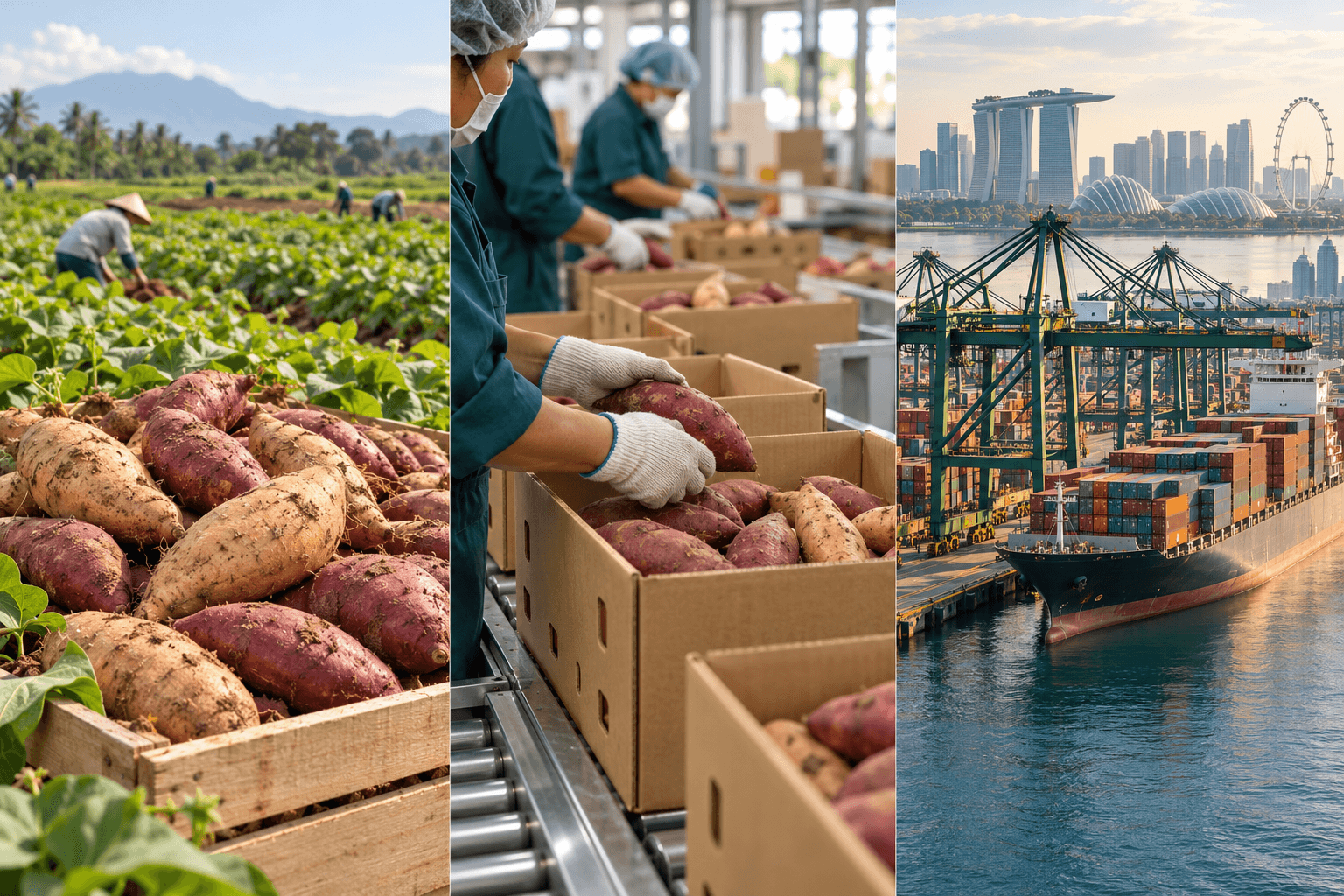
Sweet Potatoes Import Singapore Market Report
Explore Singapore’s sweet potato imports, leading suppliers, SFA requirements, pricing factors, and sourcing opportunities for Indonesian exporters.
Read article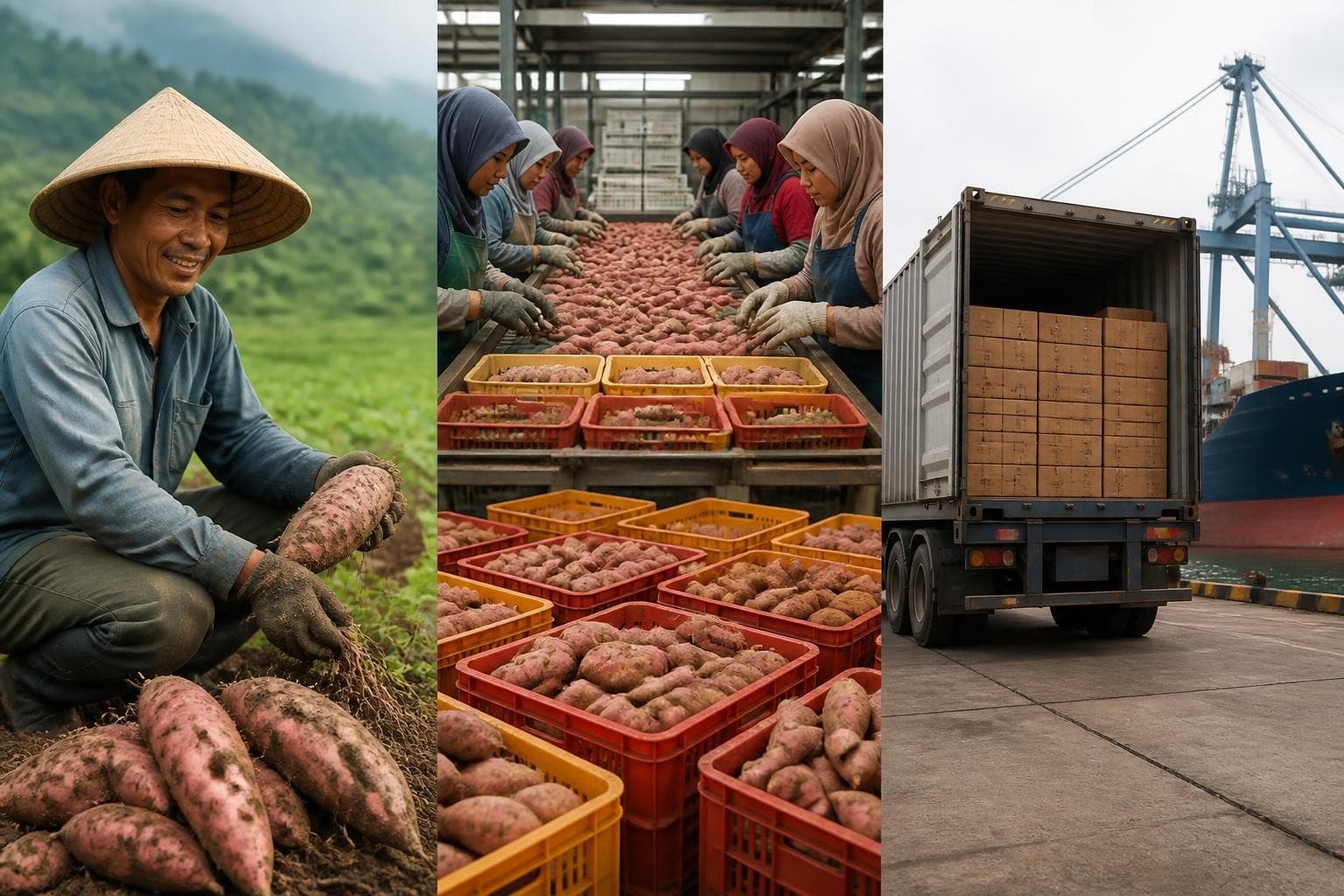
Wholesale Sweet Potatoes Indonesia: B2B Export Guide 2026
Source premium wholesale sweet potatoes Indonesia for import. Quality standards, export logistics, varieties, pricing & supplier partnerships.
Read article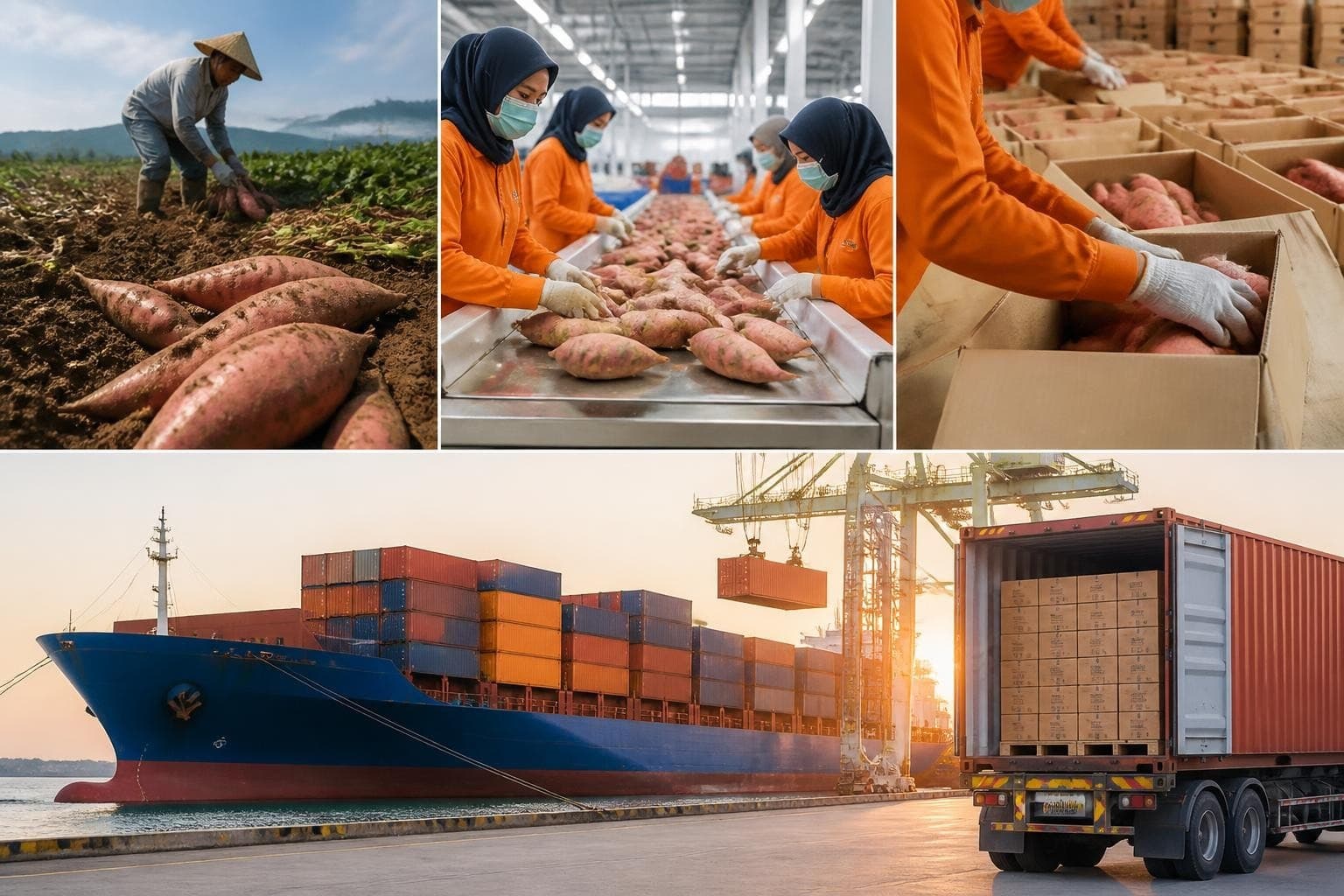
Sweet Potatoes Supplier Indonesia: Quality & Export Guide
Find reliable sweet potatoes supplier Indonesia offering premium export quality. Learn about sourcing, grading, logistics, and partnerships.
Read article