
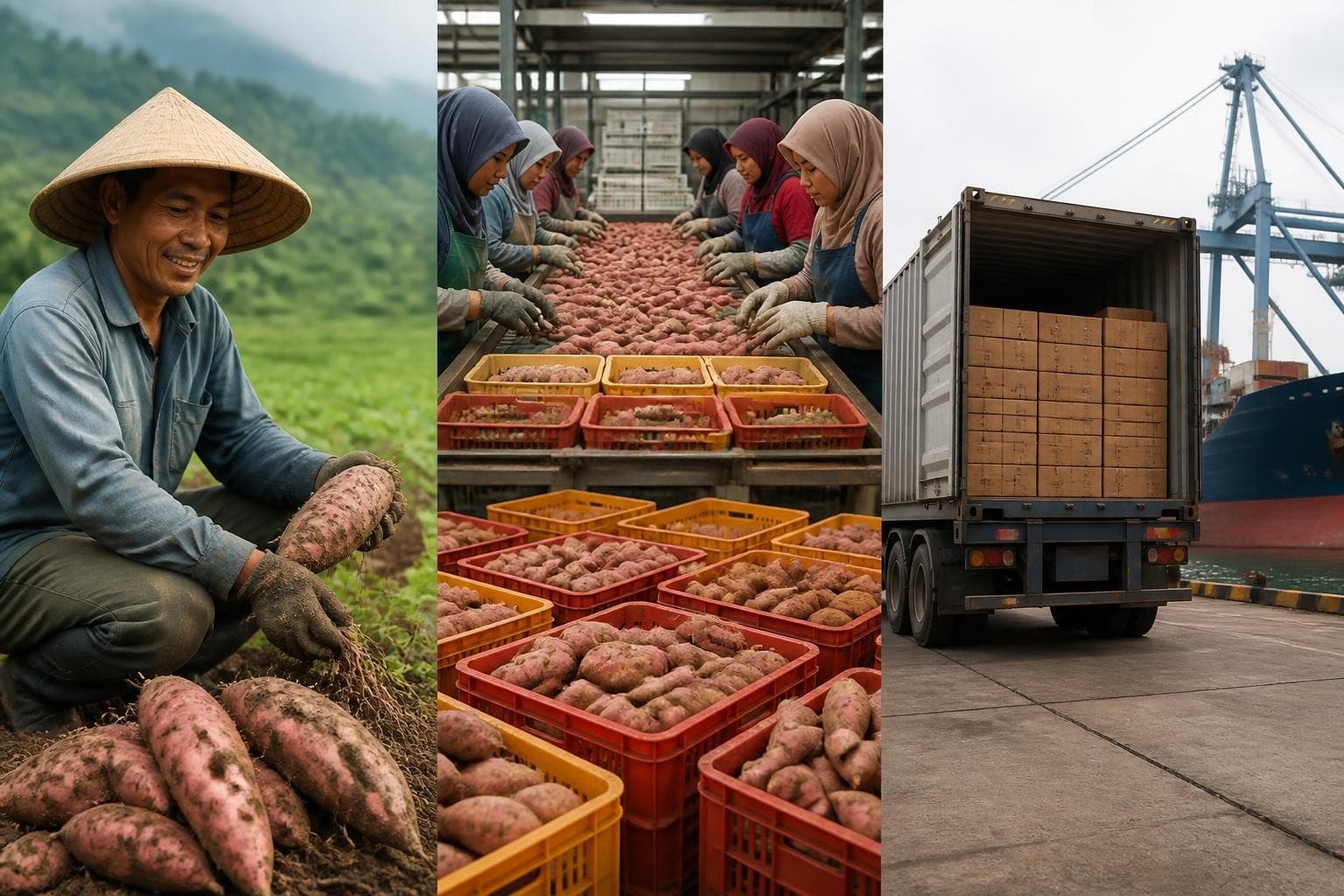
Wholesale Sweet Potatoes Indonesia: B2B Export Guide 2026
Source premium wholesale sweet potatoes Indonesia for import. Quality standards, export logistics, varieties, pricing & supplier partnerships.
Indonesia has emerged as a strategic supplier for international buyers seeking reliable sources of wholesale sweet potatoes indonesia. With favorable growing conditions in West Java and other key production regions, Indonesian exporters provide consistent year-round supply to meet the demands of importers, distributors, and retail chains across Asia, the Middle East, and beyond. Understanding the wholesale market dynamics, quality standards, and export logistics helps international buyers establish dependable partnerships with Indonesian suppliers who can deliver both volume and quality.
Understanding Indonesia's Sweet Potato Production Landscape
Indonesia ranks among the top sweet potato producers in Southeast Asia, with annual production exceeding 2 million tons according to FAO Indonesia agricultural statistics. The archipelago's tropical climate and volcanic soils create ideal conditions for cultivating multiple sweet potato varieties with distinctive flavor profiles and nutritional characteristics.
Major Production Regions and Harvest Cycles
West Java dominates commercial production for export markets, particularly in the districts of Cianjur, Garut, and Kuningan. These highland areas produce the renowned Cilembu variety, prized for its natural sweetness and creamy texture when cooked. Central Java and East Java also contribute significant volumes, primarily for domestic processing and regional distribution.
Key advantages of Indonesian production regions:
- Elevation zones between 700-1,200 meters above sea level optimize sugar content
- Two to three harvest cycles annually ensure consistent supply
- Proximity to major ports reduces logistics costs and transit time
- Established farming communities with generations of cultivation expertise
The Ministry of Agriculture Indonesia actively supports sweet potato development through extension programs that improve farming practices, pest management, and post-harvest handling. These initiatives directly benefit wholesale buyers by strengthening the overall supply chain infrastructure.
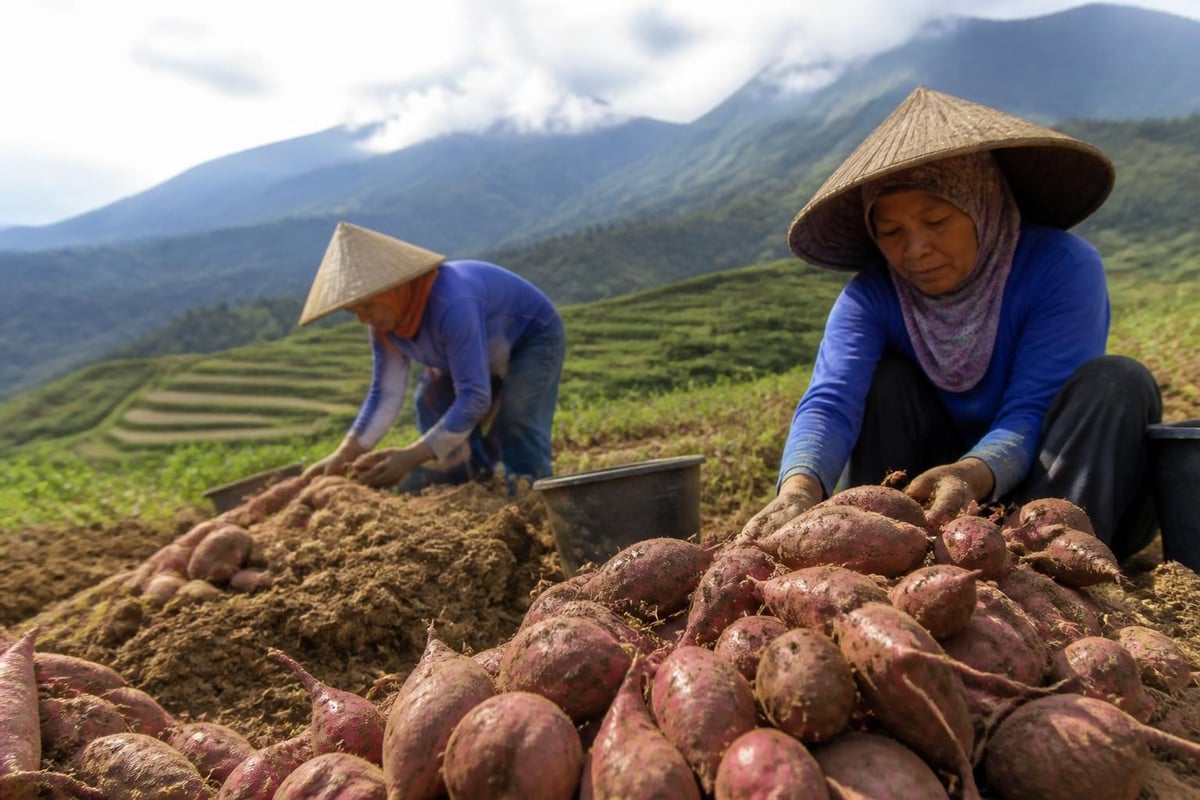
Varieties Available for Wholesale Sweet Potatoes Indonesia Export
International buyers can source several commercial varieties through wholesale sweet potatoes indonesia channels, each suited to different market preferences and end-use applications. Understanding these varieties helps buyers match product specifications to their target markets.
| Variety | Skin Color | Flesh Color | Primary Markets | Best Uses |
|---|---|---|---|---|
| Cilembu | Yellow-cream | Orange-yellow | Asia, Middle East | Roasting, baking, snack foods |
| Purple (Ungu) | Purple-red | Deep purple | Japan, Korea, US | Premium retail, health foods |
| White (Putih) | Cream-tan | White-cream | Southeast Asia | Processing, flour production |
| Japanese (Murasaki) | Purple-red | Cream-yellow | Japan, Taiwan | Specialty retail, foodservice |
Orange-Fleshed Varieties for Mainstream Markets
The standard orange-fleshed sweet potato remains the volume leader in wholesale sweet potatoes indonesia exports. These varieties offer balanced sweetness, attractive appearance, and versatile culinary applications. Buyers appreciate their shelf stability during ocean freight and consistent grading outcomes.
Premium export quality sweet potatoes from West Java typically contain 5-8% natural sugars, increasing to 12-15% when properly cured. This natural sweetness eliminates the need for added sugars in many food manufacturing applications.
Specialty Purple Varieties for Premium Segments
Purple sweet potatoes command premium pricing in health-conscious markets due to their anthocyanin content and distinctive appearance. Purple sweet potatoes suppliers in Indonesia focus on maintaining deep, consistent coloration through careful variety selection and optimal harvest timing.
Research published in Indonesian food industry journals demonstrates the processing potential of purple varieties for flour, starch extraction, and natural colorants. These value-added applications create opportunities for wholesale buyers serving food manufacturers.
Quality Standards and Grading for Wholesale Purchases
Professional grading systems ensure wholesale sweet potatoes indonesia meet international buyer expectations for appearance, size, and condition. Exporters implement multi-stage sorting processes that separate product into premium, standard, and processing grades.
Size Classification and Market Preferences
Different markets favor specific size ranges based on retail packaging requirements and consumer preferences. Understanding these specifications helps buyers communicate requirements clearly to Indonesian suppliers.
Standard size grades:
- Jumbo: 400-600 grams per piece (specialty retail, foodservice)
- Large: 250-400 grams per piece (supermarket retail standard)
- Medium: 150-250 grams per piece (family packs, institutional)
- Small: 80-150 grams per piece (processing, pre-portioned meals)
The sweet potatoes grading guide used by professional Indonesian exporters incorporates both size and quality parameters. Premium grade requires uniform shape, intact skin, absence of mechanical damage, and no pest damage or disease symptoms.
Visual Quality Parameters
Wholesale buyers typically specify tolerance levels for surface defects, shape irregularity, and skin blemishes. Indonesian exporters apply quality standards that align with international norms while accounting for the natural characteristics of tropical-grown produce.
| Quality Factor | Premium Grade | Standard Grade | Processing Grade |
|---|---|---|---|
| Skin condition | Smooth, intact | Minor scuffs allowed | Not specified |
| Shape | Uniform, regular | Moderate variation | Any shape acceptable |
| Defects | < 2% surface area | < 5% surface area | < 10% surface area |
| Uniformity | 90%+ consistent size | 80%+ consistent size | Mixed sizes acceptable |
Export Logistics and Supply Chain Management
Successful wholesale sweet potatoes indonesia procurement requires understanding the complete logistics chain from farm to destination port. Indonesian exporters coordinate multiple touchpoints to ensure product quality maintenance throughout the journey.
Post-Harvest Handling and Curing
Proper curing significantly extends shelf life and develops the characteristic sweetness buyers expect. Indonesian suppliers cure sweet potatoes at 28-30°C with 85-90% relative humidity for 7-10 days before packing for export.
This curing process serves multiple functions:
- Heals minor skin abrasions sustained during harvesting
- Converts starches to sugars, enhancing flavor
- Reduces moisture content for better storage stability
- Activates natural defense compounds against post-harvest diseases
The sweet potatoes packaging for export process begins immediately after curing, using ventilated cartons that maintain airflow during refrigerated container transit.
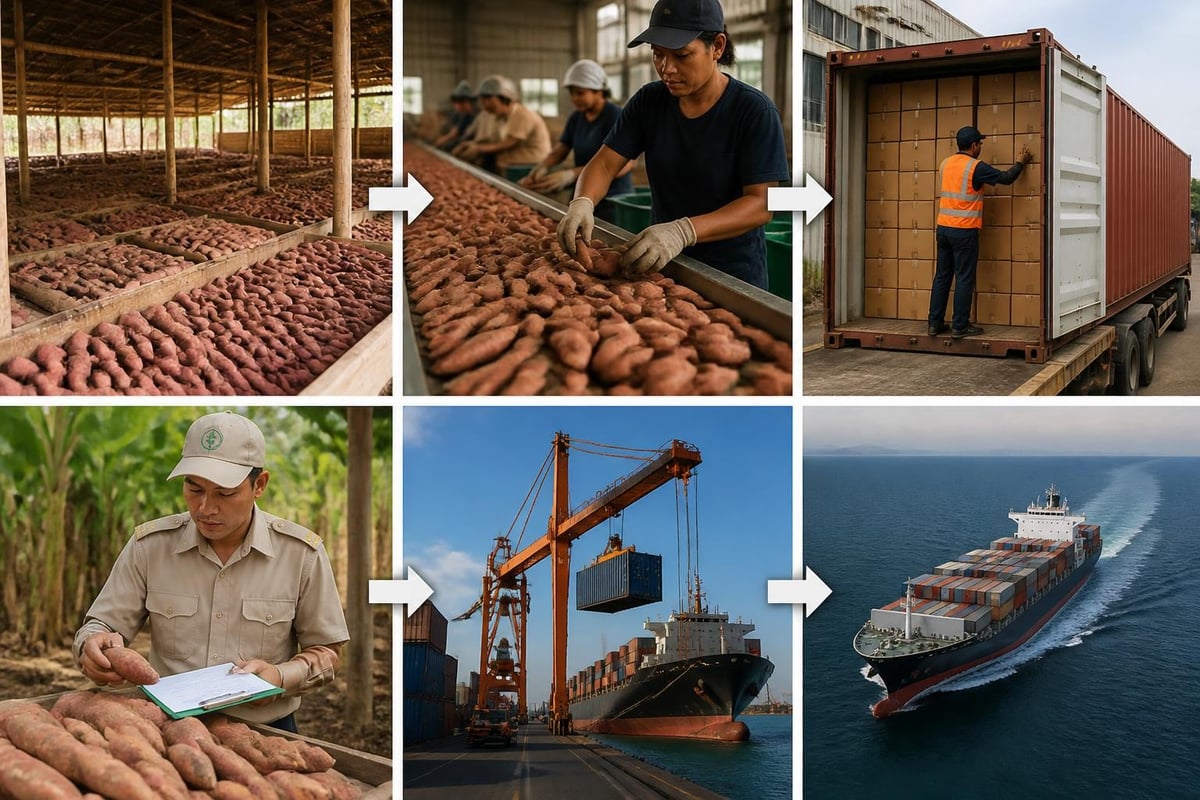
Container Loading and Temperature Management
Standard 40-foot refrigerated containers accommodate 22-26 tons of packed sweet potatoes, depending on package configuration and loading efficiency. Temperature control at 13-15°C prevents chilling injury while inhibiting sprouting during the 15-30 day ocean transit to major Asian and Middle Eastern ports.
Proper sweet potatoes container shipping requires attention to ventilation settings, as sweet potatoes generate heat through respiration. Exporters configure containers with specific airflow patterns to prevent hot spots that accelerate deterioration.
Regulatory Compliance and Phytosanitary Requirements
International wholesale sweet potatoes indonesia transactions must comply with both Indonesian export regulations and destination country import requirements. These regulations protect agricultural biosecurity while ensuring food safety standards.
Indonesian Export Documentation
The Indonesian government requires exporters to obtain several documents before shipping:
- Phytosanitary certificate from the Agricultural Quarantine Agency
- Certificate of Origin (Form E for ASEAN destinations, or standard CO)
- Fumigation certificate when required by destination country
- Export declaration and customs clearance documentation
- Commercial invoice and packing list with detailed specifications
The IPPC phytosanitary framework establishes international standards for plant health measures. Indonesian exporters implement pest monitoring and treatment protocols that meet these requirements.
Destination Country Import Requirements
Each importing country maintains specific requirements for fresh sweet potato imports. Buyers should verify current regulations with their national plant protection organizations, as requirements evolve based on pest risk assessments.
Common import requirements include:
- Pest-free certification for specified quarantine organisms
- Treatment protocols (cold treatment, fumigation, or irradiation)
- Import permits issued before shipment departure
- Maximum residue limits for agricultural chemicals
- Port of entry restrictions for fresh produce
Working with experienced Indonesia sweet potatoes exporters ensures compliance with both Indonesian export standards and destination country requirements, reducing the risk of shipment rejection or quarantine delays.
Pricing Dynamics and Commercial Terms
Wholesale sweet potatoes indonesia pricing reflects multiple variables including variety, grade, season, volume, and destination. Understanding these pricing factors helps international buyers negotiate effectively and budget accurately for ongoing supply arrangements.
Factors Affecting FOB Pricing
Indonesian exporters typically quote prices on an FOB (Free on Board) basis, with the buyer responsible for ocean freight, insurance, and destination costs. FOB prices fluctuate based on several market conditions:
- Seasonal availability: Peak harvest periods (May-July, October-December) offer better pricing
- Quality grade: Premium grade commands 15-25% premium over standard grade
- Order volume: Container-load quantities (20+ tons) qualify for volume discounts
- Variety: Specialty purple varieties typically price 20-40% higher than standard orange types
- Packaging specification: Custom packaging requirements increase unit costs
The sweet potatoes export guide provides international buyers with baseline pricing frameworks and payment term considerations for establishing supplier relationships.
Payment Terms and Trade Finance
Standard payment terms for wholesale sweet potatoes indonesia purchases involve letters of credit or documentary collections for initial transactions, transitioning to open account terms as trading relationships mature.
| Payment Method | Buyer Risk | Seller Risk | Typical Use Case |
|---|---|---|---|
| Letter of Credit (LC) | Low | Low | New trading relationships |
| Documentary Collection | Medium | Medium | Established relationships |
| Cash Against Documents | Medium-High | Low | Smaller shipments |
| Open Account | High | Very Low | Long-term partnerships |
Building Strategic Supplier Partnerships
Long-term success in wholesale sweet potatoes indonesia procurement depends on establishing transparent, mutually beneficial relationships with Indonesian exporters who demonstrate consistent quality and reliable supply.

Supplier Evaluation Criteria
International buyers should assess potential Indonesian suppliers across multiple dimensions beyond initial price quotations. A comprehensive evaluation considers operational capacity, quality systems, and partnership approach.
Essential supplier capabilities:
- Direct relationships with producing farms in key growing regions
- Professional grading and packing facilities with cold chain infrastructure
- Export license and established relationships with freight forwarders
- Quality management systems and traceability protocols
- Responsive communication and willingness to accommodate buyer specifications
- Financial stability to manage seasonal working capital requirements
The best sweet potatoes supplier in Asia distinction goes to exporters who invest in agronomic support for their farm partners, ensuring continuous improvement in cultivation practices and post-harvest handling.
Quality Assurance and Inspection Protocols
Professional wholesale sweet potatoes indonesia exporters welcome third-party inspection and provide detailed quality documentation with each shipment. Buyers can arrange pre-shipment inspections through international surveying companies or rely on supplier-provided quality reports with photographic documentation.
Typical quality assurance measures include:
- Sample retention from each production batch for reference
- Temperature monitoring throughout packing and pre-cooling
- Random carton inspections at specified percentages (typically 10-20%)
- Photographic documentation of loading process
- Detailed packing lists with carton-level traceability codes
Market Opportunities and Trade Data
Understanding current export flows and emerging market opportunities helps wholesale buyers position their Indonesian sweet potato sourcing strategically. Trade statistics from the World Bank reveal Indonesia's export patterns and growth trajectories.
Primary Export Destinations
Indonesia's wholesale sweet potatoes indonesia exports have grown consistently over the past five years, with particular strength in Asian markets that value the Cilembu variety's distinctive characteristics.
Major destination markets (2024-2026):
- Malaysia: Year-round demand, proximity advantage, established trade channels
- Singapore: Re-export hub, premium retail segment, foodservice sector
- Taiwan: Growing health food market, preference for purple varieties
- United Arab Emirates: Gateway to Middle East, growing Asian expatriate populations
- Japan: Premium positioning, specialty varieties, strict quality requirements
Emerging Market Segments
Beyond traditional fresh export markets, international buyers are increasingly sourcing wholesale sweet potatoes indonesia for processing applications. The development of value-added products creates opportunities for buyers who can manage slightly lower grade product at attractive pricing.
Processing market segments include:
- Frozen products: Pre-cut fries, diced portions, whole small potatoes
- Dried products: Chips, flour, powder for bakery and beverage applications
- Puree and paste: Baby food, institutional foodservice, industrial ingredients
- Starch extraction: Food industry applications, biodegradable packaging materials
Buyers interested in bulk sweet potatoes supplier arrangements for processing can often negotiate favorable pricing for mixed-grade product that meets processing specifications while falling outside premium fresh market standards.
Seasonal Planning and Supply Management
Effective wholesale sweet potatoes indonesia procurement requires understanding seasonal production patterns and planning inventory to maintain consistent supply for retail or processing operations.
Harvest Calendar and Peak Availability
Indonesian sweet potato production follows regional patterns influenced by rainfall, elevation, and local farming practices. Buyers can access year-round supply by sourcing from different regions according to their respective harvest schedules.
West Java production calendar:
- Primary harvest: May-July (highest volumes, optimal pricing)
- Secondary harvest: October-December (consistent quality, moderate volumes)
- Minor production: February-March (limited volumes, premium pricing)
Central and East Java production calendar:
- Main harvest: April-June (processing-grade volumes)
- Second harvest: September-November (fresh market quality)
Understanding the sweet potatoes harvest in Indonesia timing enables buyers to plan container bookings, warehouse space, and promotional activities around peak availability periods when both quality and pricing favor larger purchase volumes.
Managing Supply Continuity
International buyers requiring consistent monthly volumes should establish relationships with exporters who coordinate production across multiple farm partners in different regions. This geographic diversification ensures supply continuity even when individual growing areas experience weather challenges or pest pressures.
Forward contracting arrangements allow buyers to secure committed volumes at negotiated prices, providing budget certainty while ensuring the exporter can plan farm allocations and reserve packing capacity. Typical contract terms span 3-6 months with monthly shipment schedules and price adjustment clauses for significant market movements.
Due Diligence and Risk Mitigation
Entering wholesale sweet potatoes indonesia sourcing relationships requires appropriate due diligence to verify supplier credentials and mitigate commercial risks common in international agricultural trade.
Supplier Verification Steps
Before committing to significant purchase volumes, international buyers should verify supplier legitimacy and operational capacity through multiple channels:
- Request certified copies of business registration and export licenses
- Verify physical facilities through video tours or third-party facility audits
- Check references from existing international customers in similar markets
- Review sample shipment performance before scaling to full container volumes
- Conduct financial background checks through local Indonesian business intelligence services
The premium Indonesian sweet potatoes market attracts both established exporters and opportunistic traders. Distinguishing between these categories protects buyers from performance failures that disrupt supply chains.
Sample Shipment Protocols
Most professional wholesale sweet potatoes indonesia exporters offer sample shipments to allow buyers to evaluate quality before committing to regular purchase schedules. Sample shipments typically involve:
- Air freight parcels of 20-50 kg representing production standards
- Documentary evidence matching commercial shipment requirements
- Technical specifications sheets with analytical testing results
- Shelf life trials demonstrating performance under destination market conditions
Buyers should plan 4-6 weeks for complete sample evaluation cycles, including transit time, quality assessment, and internal approval processes. This timeline allows for iterative specification adjustments before launching commercial-scale procurement.
Successful wholesale sweet potatoes Indonesia sourcing combines understanding of production dynamics, quality standards, logistics requirements, and regulatory compliance with strategic supplier partnerships that deliver consistent results. International buyers who invest time in supplier evaluation, clear specification development, and collaborative relationship building position themselves to capture the significant advantages Indonesian sweet potato exports offer in quality, consistency, and value. PT Cakra Baja Niaga specializes in connecting international buyers with premium West Java sweet potatoes through transparent partnerships, reliable export logistics, and responsive customer service that supports your business growth.
Looking to source premium Indonesian sweet potatoes?
PT Cakra Baja Niaga supplies export-grade Cilembu, Purple, and Murasaki varieties to buyers worldwide.
Continue reading
Sweet Potatoes Supplier Indonesia: Quality & Export Guide
Find reliable sweet potatoes supplier Indonesia offering premium export quality. Learn about sourcing, grading, logistics, and partnerships.
Read article
Sweet Potatoes Grading Guide for International Buyers
Comprehensive sweet potatoes grading guide for exporters and importers. Learn USDA standards, size classification, defect tolerance, and quality control.
Read article
Sweet Potatoes Quality Standards for Export in 2026
Comprehensive guide to sweet potatoes quality standards for international trade. Learn grading criteria, USDA standards, and export requirements.
Read article