Sweet Potatoes Supplier Indonesia: Quality & Export Guide
Find reliable sweet potatoes supplier Indonesia offering premium export quality. Learn about sourcing, grading, logistics, and partnerships.
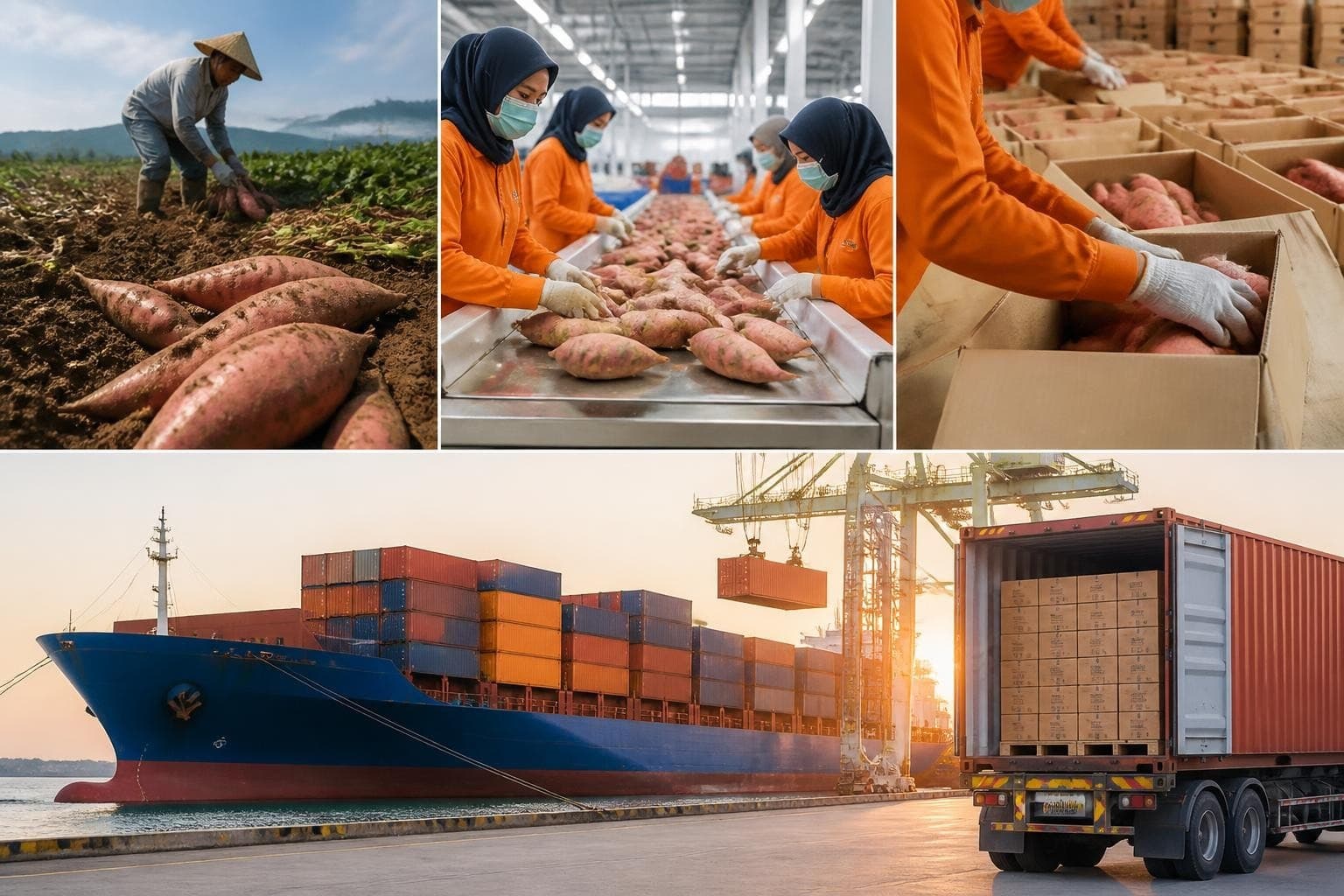
Indonesia has emerged as a strategic sourcing destination for international buyers seeking premium sweet potatoes. The archipelago's tropical climate, volcanic soil composition, and established agricultural infrastructure create ideal conditions for producing high-quality sweet potatoes with excellent nutritional profiles and shelf stability. For importers, distributors, and food manufacturers evaluating suppliers across Southeast Asia, understanding what distinguishes a reliable sweet potatoes supplier indonesia from alternatives requires examining production capabilities, export compliance standards, quality control systems, and logistical expertise.
Indonesia's Sweet Potato Export Landscape
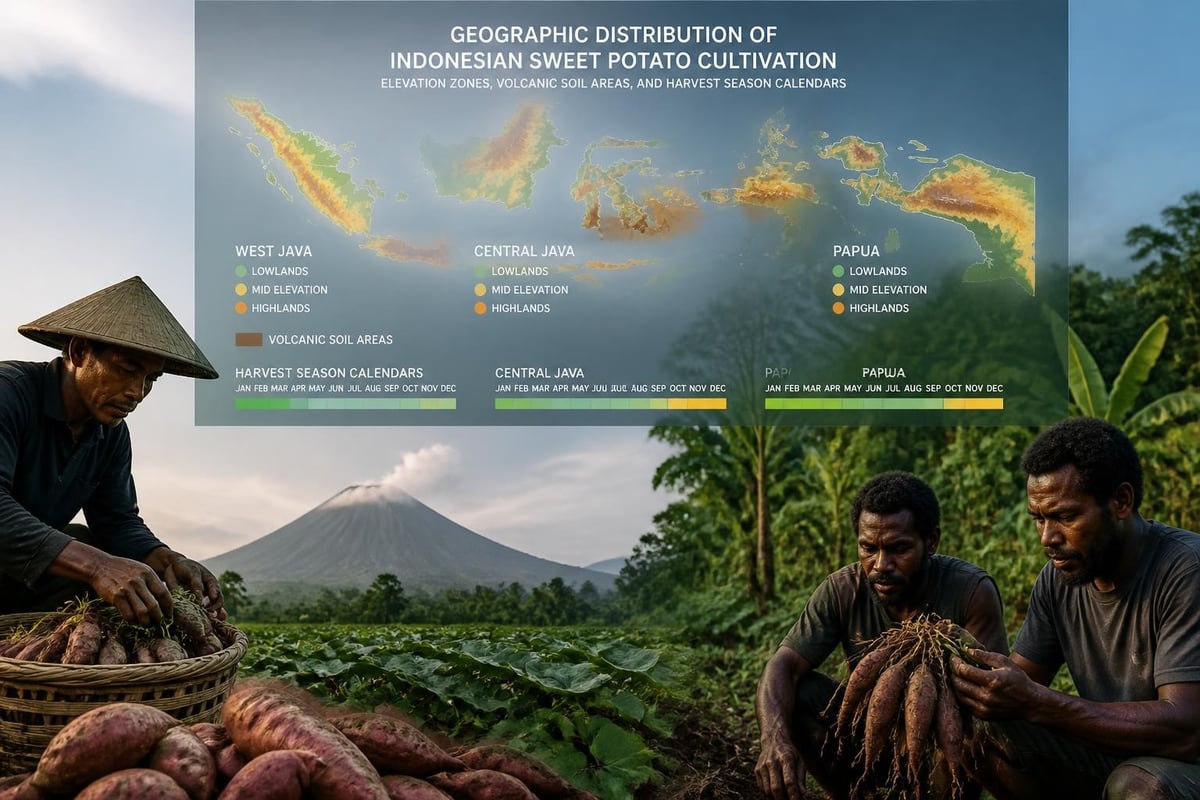
Indonesia cultivates approximately 170,000 hectares of sweet potatoes annually, with West Java, Central Java, and Papua representing the largest production centers. The country's export volume has grown steadily over the past decade, driven by increasing international demand for specialty varieties and year-round availability. According to Indonesia's 2023 export data for fresh or dried sweet potatoes, the nation supplies multiple international markets with diverse sweet potato varieties.
West Java particularly stands out as a premium growing region. The province's elevation ranges, consistent rainfall patterns, and rich volcanic soil produce sweet potatoes with superior flavor profiles, firm textures, and natural sweetness that meet international quality standards.
Geographic Advantages for Sweet Potato Cultivation
Indonesian sweet potato cultivation benefits from specific environmental factors that differentiate the product in global markets:
- Volcanic soil composition provides natural mineral content and excellent drainage
- Tropical climate enables multiple harvest cycles throughout the year
- Elevation diversity allows cultivation of different varieties suited to specific temperature ranges
- Strategic proximity to major Asian markets reduces shipping time and logistics costs
These natural advantages translate into consistent product availability, which is critical for international buyers requiring predictable supply schedules. When evaluating any sweet potatoes supplier indonesia, buyers should verify which specific growing regions the supplier sources from, as regional differences directly impact flavor, texture, and post-harvest shelf life.
Quality Standards and Export Grading Systems
International buyers rely on standardized grading to ensure consistent product specifications across shipments. A professional sweet potatoes supplier indonesia implements comprehensive quality control protocols that align with international trade standards while accommodating buyer-specific requirements.
Standard Export Grades
| Grade | Size Range (g) | Quality Requirements | Typical Applications |
|---|---|---|---|
| Extra Class | 200-400 | Zero defects, uniform shape, premium appearance | Retail display, premium restaurants |
| Class I | 150-500 | Minor skin blemishes allowed, firm texture | Supermarket retail, foodservice |
| Class II | 100-600 | Functional quality, minor shape variations | Processing, wholesale distribution |
| Industrial | Variable | Sound product, cosmetic defects acceptable | Frozen processing, ingredient manufacturing |
Understanding these classifications helps buyers specify requirements precisely and reduces miscommunication during procurement. The most reliable suppliers offer detailed grade specifications with photographic references and conduct pre-shipment quality verification.
Beyond basic grading, export quality sweet potatoes must meet phytosanitary requirements, pesticide residue limits, and food safety certifications specific to destination markets. The IPPC phytosanitary reporting for Indonesia provides current compliance frameworks that exporters must follow.
Variety Selection and Market Preferences
Different international markets demonstrate distinct preferences for sweet potato varieties based on culinary traditions, nutritional priorities, and consumer trends. A knowledgeable sweet potatoes supplier indonesia maintains cultivation partnerships across multiple varieties to serve diverse buyer needs.
Common Export Varieties
Orange-Fleshed Sweet Potatoes: High in beta-carotene, these varieties dominate North American and European markets. Their natural sweetness and versatility make them suitable for both fresh retail and processing applications.
Purple Sweet Potatoes: Growing rapidly in premium markets, purple sweet potatoes offer distinct anthocyanin content and aesthetic appeal. Japanese restaurants, health-focused retailers, and specialty food manufacturers increasingly seek these varieties.
White and Yellow Varieties: Preferred in certain Asian markets, these varieties offer different texture profiles and lower sweetness levels suitable for savory applications.
Cilembu Sweet Potatoes: A specialty variety from West Java known for honey-like sweetness when baked. Cilembu sweet potatoes command premium prices in markets valuing unique flavor profiles.
Variety availability fluctuates based on seasonal cultivation cycles. Professional suppliers maintain crop planning systems that stagger planting schedules across partner farms, ensuring continuous availability of priority varieties throughout the year.
Supply Chain Management and Traceability
Modern B2B buyers increasingly require full supply chain transparency from farm origin through final delivery. A qualified sweet potatoes supplier indonesia should provide comprehensive traceability documentation that identifies specific growing locations, harvest dates, handling protocols, and cold chain maintenance records.
Critical Supply Chain Components
- Farm Partnership Structure: Direct relationships with identified growers versus aggregation from unknown sources
- Post-Harvest Handling: Curing facilities, temperature-controlled storage, and quality preservation systems
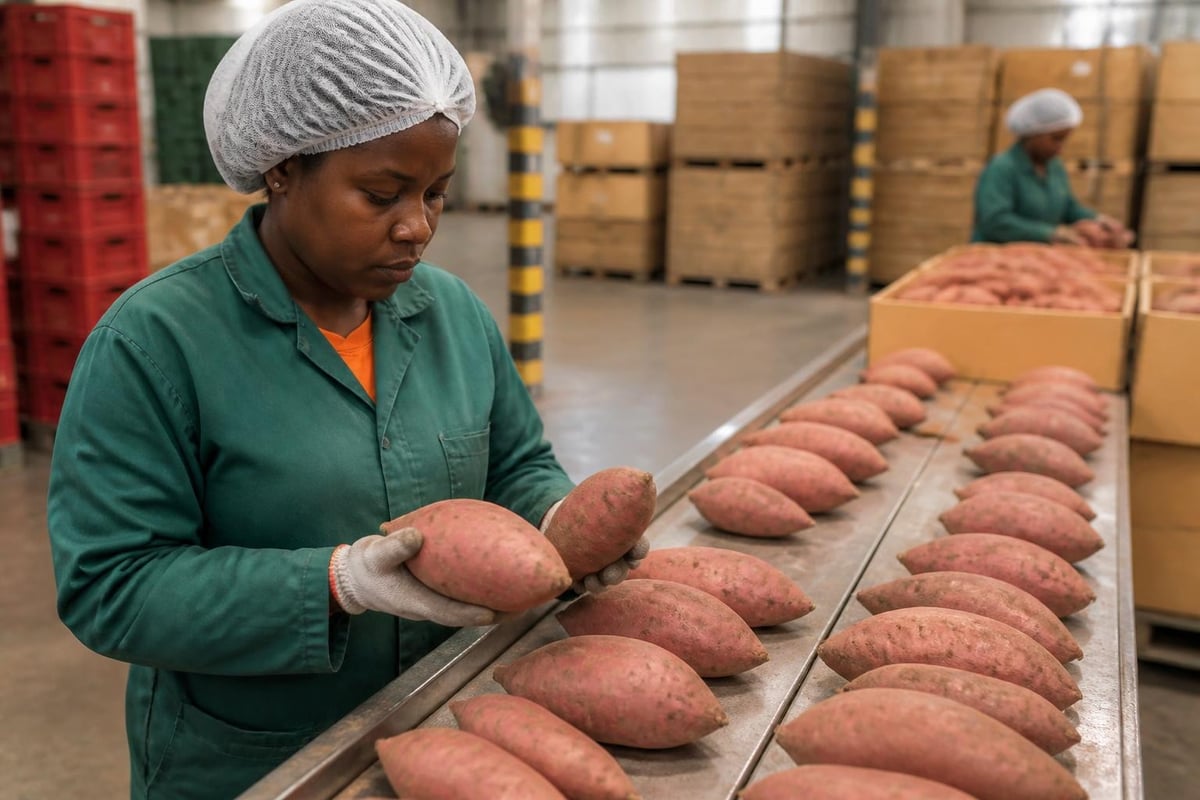
- Processing Capabilities: Washing, grading, sizing, and packaging infrastructure
- Cold Chain Management: Refrigerated storage and transportation maintaining optimal temperatures
- Documentation Systems: Digital tracking platforms providing real-time shipment visibility
Buyers should request facility audits, certifications, and references from existing clients to verify supplier capabilities. The difference between a basic aggregator and a professional sweet potatoes export operation becomes evident when examining these operational systems.
Packaging Solutions for International Shipping
Proper packaging directly impacts product condition upon arrival and determines whether sweet potatoes maintain marketability after long-distance transportation. Export packaging must balance protection requirements, ventilation needs, handling efficiency, and cost considerations.
Standard Packaging Options
| Packaging Type | Weight Capacity | Ventilation | Best Applications |
|---|---|---|---|
| Mesh bags | 10-20 kg | Excellent | Wholesale, market distribution |
| Carton boxes | 10-15 kg | Good (with perforations) | Retail-ready, supermarket supply |
| Wooden crates | 15-25 kg | Variable | Premium retail, specialty markets |
| Bulk bins | 400-500 kg | Limited | Processing facilities, repackaging operations |
Professional suppliers offer customized export packaging that incorporates buyer branding, destination-specific labeling requirements, and specialized protection for extended shipping durations. Temperature-sensitive shipments may require additional moisture barriers or ethylene-absorbing materials.
Container optimization represents another critical packaging consideration. A 40-foot refrigerated container typically accommodates 22-26 tons of sweet potatoes depending on packaging configuration. Efficient suppliers calculate optimal pallet arrangements that maximize container utilization while maintaining product safety and compliance with weight distribution regulations.
Logistics and Shipping Considerations
International sweet potato procurement involves complex logistics coordination across multiple transportation modes. Understanding Indonesian export infrastructure and shipping options helps buyers plan inventory management and delivery schedules effectively.
Primary Export Routes
Indonesian sweet potatoes reach international markets through several major ports:
- Tanjung Priok (Jakarta): Primary gateway serving global destinations with comprehensive shipping line options
- Tanjung Perak (Surabaya): Secondary hub with competitive rates to Asian markets
- Belawan (Medan): Regional option for specific Middle Eastern and South Asian routes
Transit times vary significantly based on destination and shipping method. Asia-Pacific destinations typically receive shipments within 7-14 days, while European and North American markets require 25-35 days for standard ocean freight.
Selecting between conventional refrigerated containers (reefers) and controlled atmosphere containers depends on shipment duration and product specifications. Fresh sweet potatoes export generally performs well in standard reefers maintained at 13-15°C with 85-90% relative humidity. Extended voyages or premium varieties may justify controlled atmosphere technology that extends shelf life by regulating oxygen and carbon dioxide levels.
Compliance and Documentation Requirements
International food trade demands rigorous compliance with importing country regulations. A competent sweet potatoes supplier indonesia manages comprehensive documentation processes that facilitate smooth customs clearance and regulatory approval.
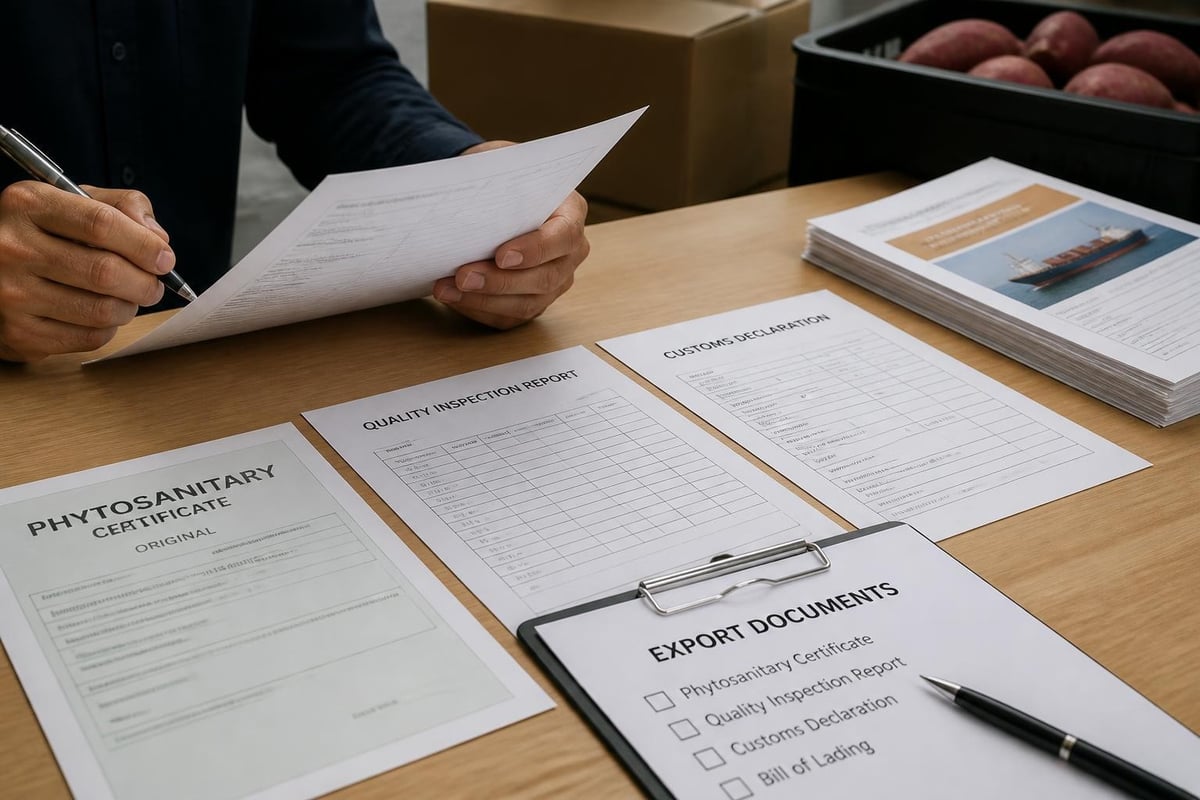
Essential Export Documentation
- Phytosanitary Certificate: Issued by Indonesian agricultural authorities confirming pest-free status
- Certificate of Origin: Validates Indonesian source for tariff qualification
- Health Certificate: Confirms food safety compliance and inspection completion
- Commercial Invoice: Details transaction terms, quantities, and values
- Packing List: Itemizes container contents with weights and dimensions
- Bill of Lading: Establishes shipping contract and goods transfer
Additional documentation may include third-party inspection certificates, organic certifications, or buyer-specific quality attestations. Import requirements vary substantially across destination markets, requiring suppliers to maintain current knowledge of regulatory changes and compliance updates.
Experienced exporters maintain relationships with accredited inspection agencies, certification bodies, and customs brokers who facilitate documentation preparation and regulatory navigation.
Pricing Structure and Payment Terms
Sweet potato export pricing reflects multiple variables including variety selection, grade specification, packaging requirements, order volume, shipping terms, and seasonal market conditions. Understanding pricing components helps buyers evaluate quotations accurately and negotiate fair commercial terms.
Price-Influencing Factors
Seasonal Availability: Peak harvest periods (April-June and September-November in most Indonesian regions) typically offer competitive pricing compared to off-season procurement. However, professional suppliers with year-round cultivation planning minimize seasonal price volatility.
Order Volume: Larger commitments justify better pricing through economies of scale in procurement, processing, and shipping. Full container loads (FCL) consistently achieve better per-unit pricing than less-than-container-load (LCL) shipments.
Quality Grade: Premium grades command 15-30% premiums over standard commercial grades, reflecting additional sorting labor and higher rejection rates during quality control.
Value-Added Processing: Pre-washing, specific size sorting, or customized packaging increase unit costs but may reduce buyer-side processing requirements.
When evaluating quotations from any sweet potatoes supplier indonesia, buyers should clarify whether prices include domestic transportation to port, export documentation fees, and inspection charges. Incoterms (FOB, CIF, CFR) define precisely which party bears specific cost components and risk transfer points.
Payment Terms and Trade Finance
International sweet potato transactions typically utilize one of several payment structures:
- Letter of Credit (L/C): Banks guarantee payment upon compliant document presentation, protecting both parties
- Documentary Collection: Banks facilitate document exchange but don't guarantee payment
- Open Account: Buyer pays after receiving goods, common with established relationships
- Advance Payment: Partial or full prepayment before shipment, typically for new relationships
Professional exporters accommodate buyer preferences while maintaining appropriate risk management. First-time transactions frequently employ L/C terms or partial advance payment, transitioning to open account terms as trading relationships mature and trust develops.
Evaluating Supplier Capabilities
Selecting the right sweet potatoes supplier indonesia requires systematic evaluation beyond basic price comparison. International buyers benefit from assessing multiple capability dimensions that predict long-term partnership success.
Supplier Evaluation Checklist
Production Capacity: Can the supplier consistently meet your volume requirements across multiple shipment cycles? Request information about total cultivation area under contract, number of partner farms, and annual production volumes.
Quality Systems: What inspection protocols, quality control procedures, and certification standards does the supplier maintain? Request facility visit opportunities or third-party audit reports.
Communication Capabilities: Does the supplier maintain English-speaking commercial staff available across time zones? Effective communication prevents misunderstandings that lead to specification errors or shipment delays.
Financial Stability: Can the supplier maintain consistent operations through seasonal cash flow variations? Established companies demonstrate track records managing working capital requirements inherent in agricultural export.
Technical Knowledge: Does the supplier understand destination market requirements, handling best practices, and variety characteristics thoroughly? Bulk sweet potatoes suppliers with technical expertise provide valuable guidance beyond simple order fulfillment.
Reference checking with existing clients provides insight into supplier performance under various conditions including quality issues, shipment delays, or claim resolution processes.
Building Long-Term Supply Partnerships
Successful international sweet potato procurement extends beyond individual transactions to develop strategic supply relationships that deliver consistent value over time. Professional suppliers view buyers as partners rather than simply customers, investing in relationship development that benefits both parties.
Partnership Best Practices
Forecast Sharing: Providing suppliers with advance visibility into your projected requirements enables better cultivation planning and capacity allocation. Regular forecasts improve supplier ability to reserve production specifically for your orders.
Specification Clarity: Detailed specifications including size ranges, defect tolerances, packaging requirements, and delivery timing eliminate ambiguity. Premium Indonesian sweet potatoes meeting precise specifications require clear communication from project initiation.
Quality Feedback: Promptly reporting product performance, market feedback, or specification adjustments helps suppliers refine processes. Constructive feedback strengthens quality systems over time.
Payment Reliability: Consistent adherence to agreed payment terms builds supplier confidence, potentially unlocking preferential pricing or priority allocation during tight supply periods.
Volume Commitment: Suppliers invest in expanded capacity, specialized varieties, or enhanced processing capabilities when they have reasonable assurance of ongoing demand. Multi-year agreements with volume commitments enable suppliers to make appropriate capital investments.
Seasonal Planning and Harvest Cycles
Unlike year-round greenhouse production, field-grown sweet potatoes follow seasonal cycles influenced by planting schedules, rainfall patterns, and regional climate variations. Understanding Indonesian sweet potato harvest timing enables buyers to optimize procurement timing and inventory planning.
Regional Harvest Windows
| Region | Primary Harvest | Secondary Harvest | Peak Quality Period |
|---|---|---|---|
| West Java | April-June | September-November | May, October |
| Central Java | May-July | October-December | June, November |
| East Java | March-May | August-October | April, September |
| Papua | Variable | Variable | Year-round (tropical) |
Professional suppliers coordinate cultivation across multiple regions to maintain continuous supply availability. By staggering planting across farms in different areas, reliable exporters minimize supply gaps and reduce buyer dependence on single-region production.
Buyers benefit from understanding that quality characteristics vary slightly across harvest periods. Early-season sweet potatoes may exhibit higher moisture content, while late-season crops develop enhanced sugar concentration and flavor intensity. Specifying harvest period preferences helps suppliers allocate appropriate production to your orders.
Risk Management in International Procurement
Sweet potato imports involve multiple risk categories that buyers must identify and mitigate through proper supplier selection, contract terms, and operational procedures.
Quality Risk: Product failing to meet specifications upon arrival creates financial losses and operational disruptions. Mitigation strategies include pre-shipment inspection, clear specification agreements, and established claim procedures with documentation requirements.
Supply Continuity Risk: Crop failures, weather events, or supplier capacity constraints may interrupt expected deliveries. Diversifying across multiple suppliers or establishing backup source arrangements provides supply security.
Regulatory Risk: Import regulation changes or compliance failures cause customs delays or product rejection. Working with experienced suppliers who maintain current regulatory knowledge and documentation capabilities reduces this exposure.
Payment Risk: For buyers using advance payment terms, selecting financially stable suppliers with verified track records minimizes risk of non-performance.
Currency Risk: For contracts priced in currencies other than your operating currency, exchange rate fluctuations affect effective pricing. Consider currency hedging instruments or local currency pricing for large commitments.
Comprehensive commercial agreements address risk allocation, insurance requirements, force majeure provisions, and dispute resolution mechanisms. Legal review of supplier contracts protects buyer interests while establishing clear operational frameworks.
Sustainability and Social Responsibility
International buyers increasingly evaluate suppliers based on environmental practices and social responsibility commitments beyond basic commercial terms. Forward-thinking sweet potatoes supplier indonesia operations implement sustainable farming partnerships and ethical labor practices that align with buyer corporate responsibility objectives.
Sustainable Farming Practices: Crop rotation systems, integrated pest management, soil conservation techniques, and water management optimization reduce environmental impact while maintaining soil productivity for long-term supply security.
Farm Worker Welfare: Fair compensation, safe working conditions, and community development programs demonstrate supplier commitment to social responsibility. Buyers serving markets with strong ethical sourcing requirements benefit from suppliers maintaining documented social compliance programs.
Traceability Systems: Digital farm-to-export tracking enables verification of production practices and source identification. This transparency supports buyer sustainability reporting and consumer communication about product origins.
Certifications: Third-party certifications such as GlobalGAP, organic standards, or fair trade verification provide independent validation of production practices. While not all buyers require certifications, they offer standardized frameworks for evaluating supplier practices.
Suppliers investing in sustainability programs position themselves as long-term partners aligned with evolving market expectations rather than commodity traders seeking short-term transactions.
Selecting a reliable sweet potatoes supplier indonesia requires evaluating production capabilities, quality systems, logistics expertise, and partnership approach comprehensively. International buyers benefit from suppliers who demonstrate consistent quality, transparent operations, regulatory compliance, and commitment to long-term relationship development. PT Cakra Baja Niaga works directly with partner farms across West Java to provide international importers, distributors, and food manufacturers with premium sweet potatoes backed by rigorous quality control, full traceability, and dependable export service. Contact us for detailed specifications, current pricing, or sample shipment arrangements to experience the advantages of partnering with an established Indonesian sweet potato exporter.
Looking to source premium Indonesian sweet potatoes?
PT Cakra Baja Niaga supplies export-grade Cilembu, Purple, and Murasaki varieties to buyers worldwide.
Continue reading
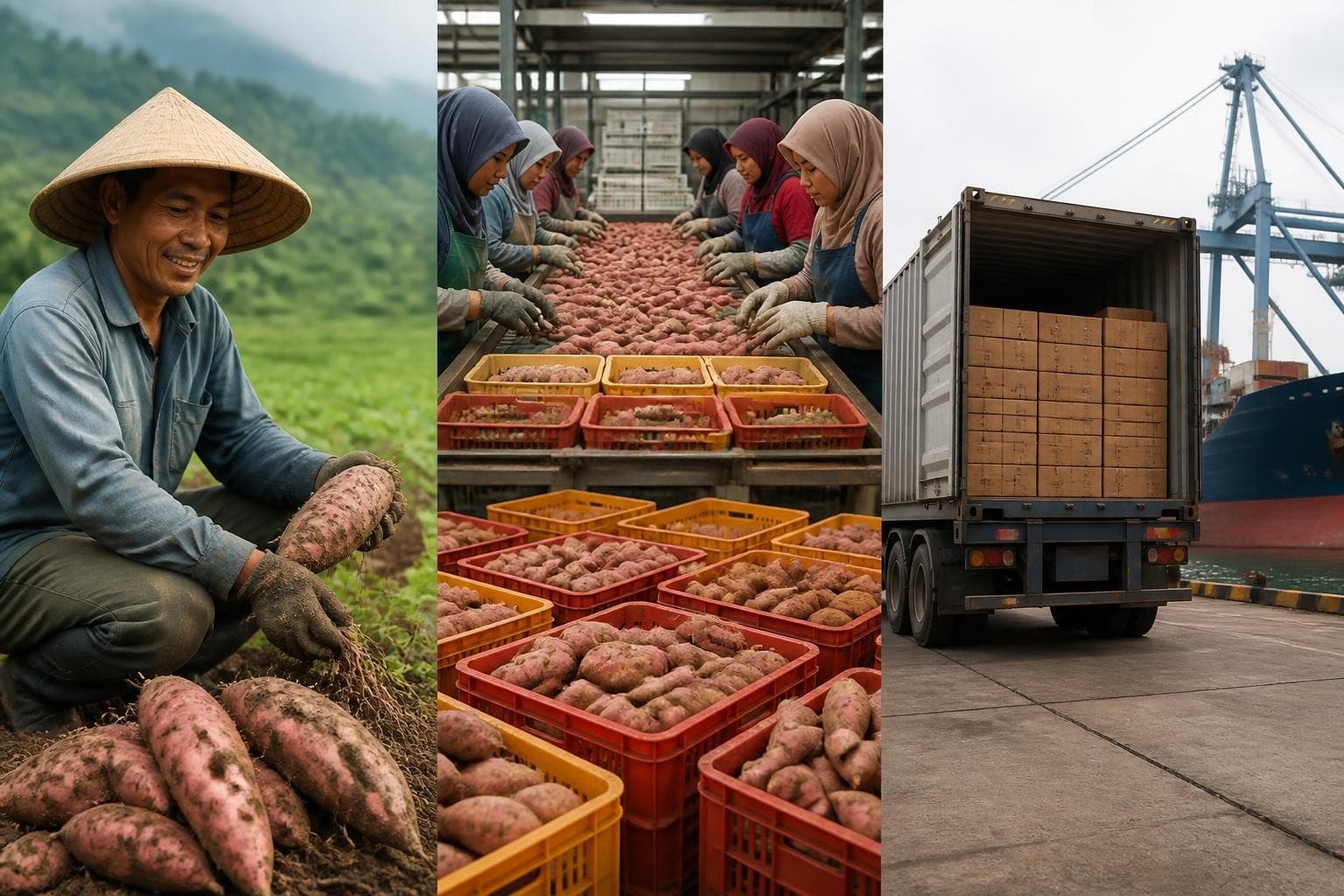
Wholesale Sweet Potatoes Indonesia: B2B Export Guide 2026
Source premium wholesale sweet potatoes Indonesia for import. Quality standards, export logistics, varieties, pricing & supplier partnerships.
Read article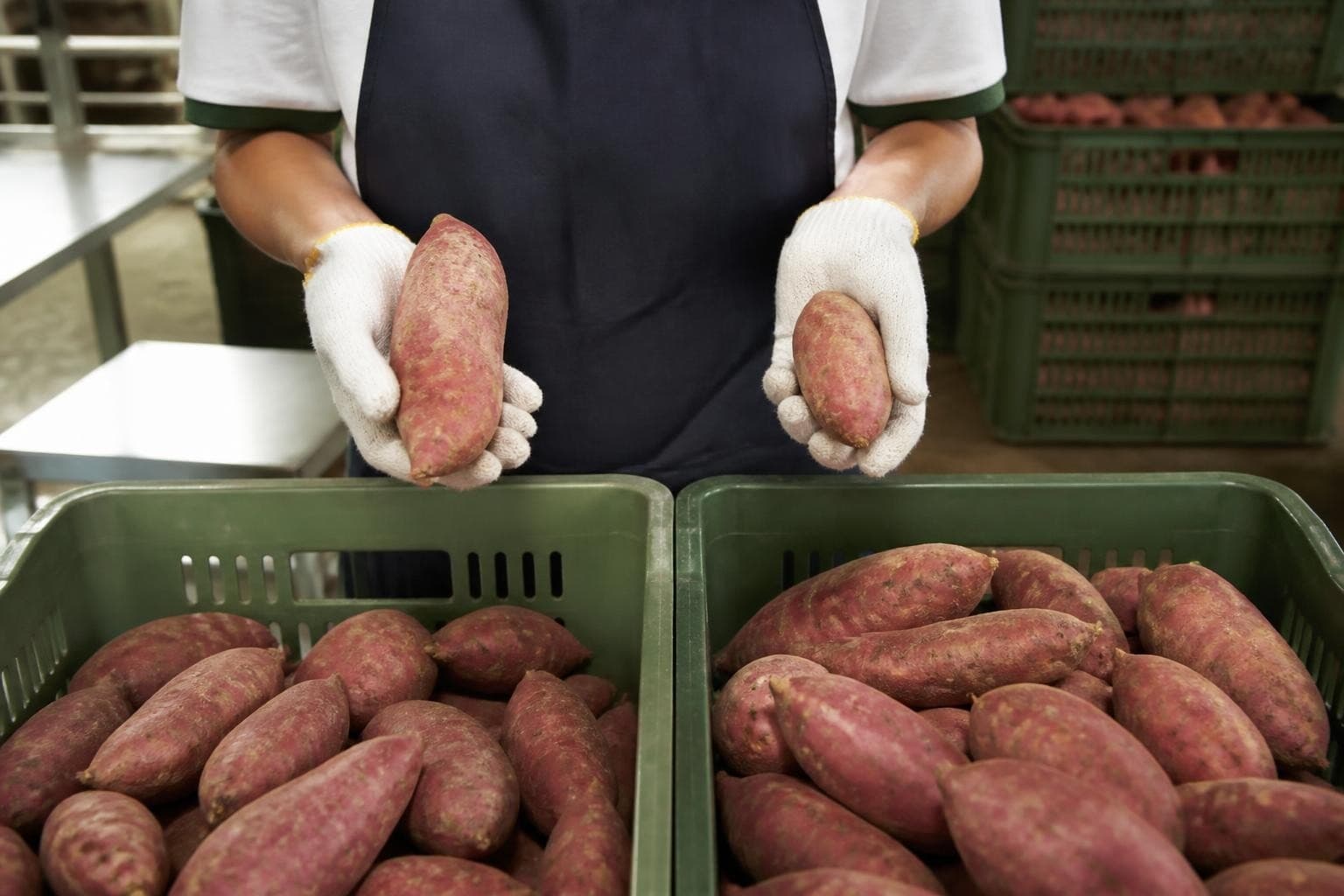
Sweet Potatoes Grading Guide for International Buyers
Comprehensive sweet potatoes grading guide for exporters and importers. Learn USDA standards, size classification, defect tolerance, and quality control.
Read article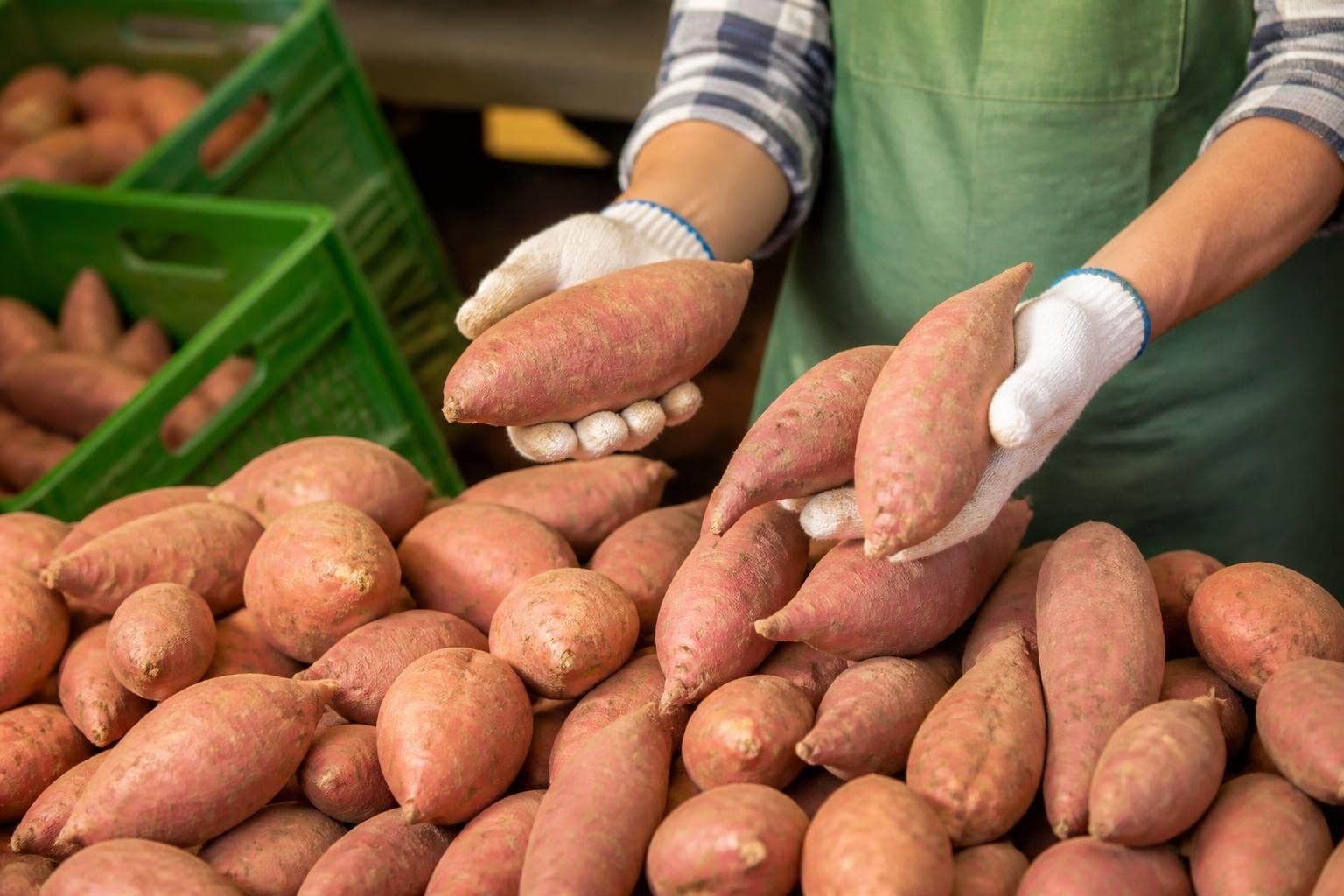
Sweet Potatoes Quality Standards for Export in 2026
Comprehensive guide to sweet potatoes quality standards for international trade. Learn grading criteria, USDA standards, and export requirements.
Read article