
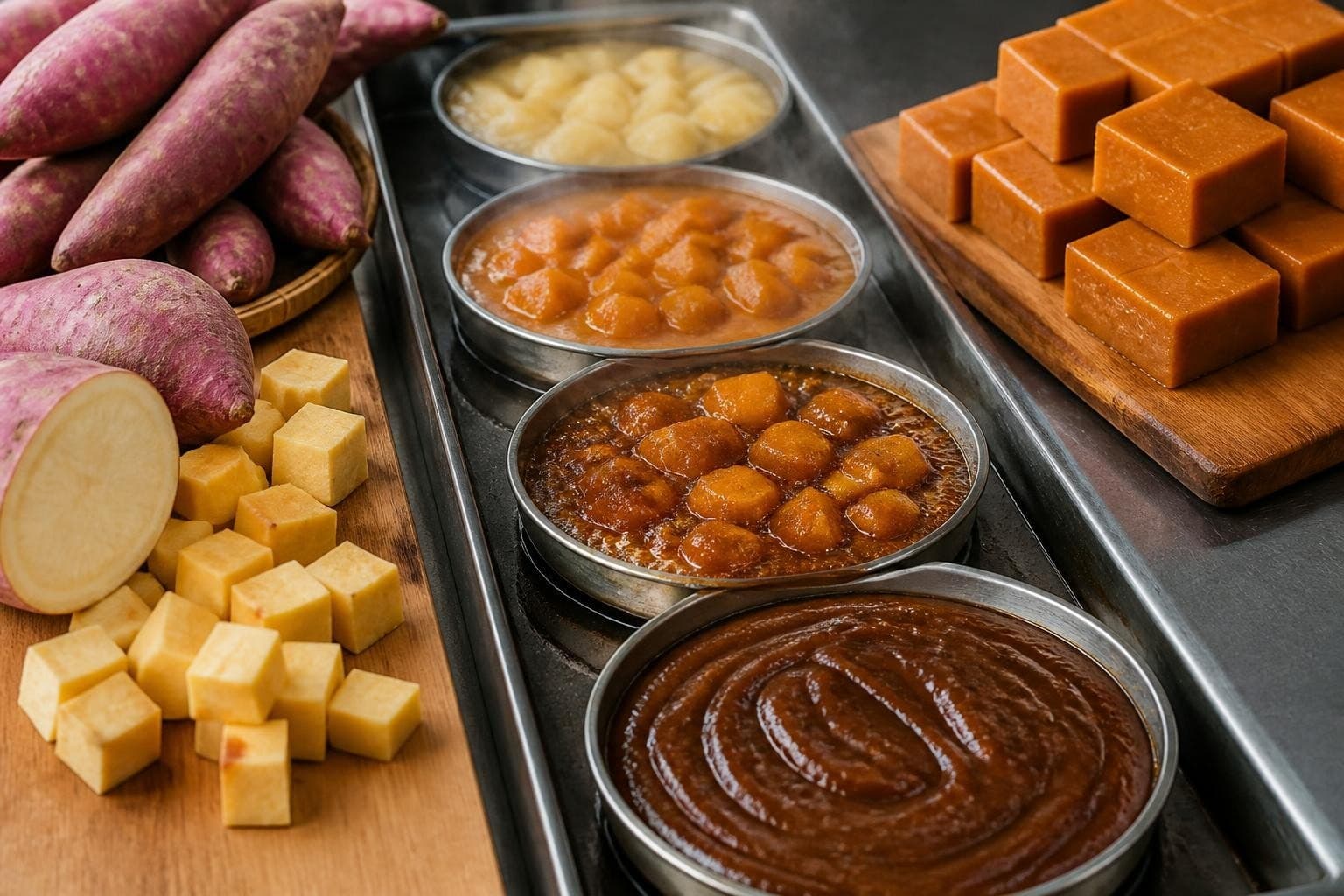
Discover sweet potato caramel applications, market opportunities, and quality considerations for exporters and importers in 2026.
The convergence of traditional ingredients with modern culinary innovation has created remarkable opportunities in international food markets. Sweet potato caramel represents one such innovation, combining the natural sweetness and nutritional benefits of premium sweet potatoes with sophisticated caramelization techniques to create a versatile ingredient for confectionery, bakery, and gourmet applications. For exporters and importers specializing in sweet potato products, understanding this emerging category offers significant commercial potential in quality-conscious markets across Asia, Europe, and North America.
Understanding Sweet Potato Caramel as a Premium Product
Sweet potato caramel differs fundamentally from conventional caramel in both composition and market positioning. Traditional caramel relies on refined sugar, butter, and cream, while sweet potato caramel incorporates pureed or concentrated sweet potato as a primary ingredient, creating a complex flavor profile that appeals to health-conscious consumers and premium food manufacturers.
The production process begins with selecting the appropriate sweet potato variety. Not all varieties perform equally in caramelization applications. Orange-fleshed varieties with higher beta-carotene content and natural sugars typically yield superior results, producing deeper color development and more nuanced flavor characteristics.
Nutritional Advantages in Market Positioning
Products incorporating sweet potato caramel benefit from the inherent nutritional benefits of sweet potatoes, including significant vitamin A content, dietary fiber, and antioxidant compounds. This nutritional profile supports marketing claims that resonate with contemporary consumer preferences for functional ingredients and natural formulations.
Key nutritional differentiators include:
- Enhanced vitamin content: Sweet potatoes provide exceptional beta-carotene levels, which convert to vitamin A in the human body
- Fiber contribution: Unlike refined sugar caramels, sweet potato variations add dietary fiber to finished products
- Mineral content: Potassium, manganese, and copper present in sweet potatoes enhance the nutritional density
- Lower glycemic response: The complex carbohydrates in sweet potatoes may moderate blood sugar impacts compared to pure sugar formulations
Processing Specifications for Export Quality
Quality control in sweet potato caramel production begins at the farm level. For exporters, establishing consistent processing standards ensures product uniformity and meets international buyer specifications. The transformation from raw sweet potato to caramel-grade puree requires precise handling at every stage.
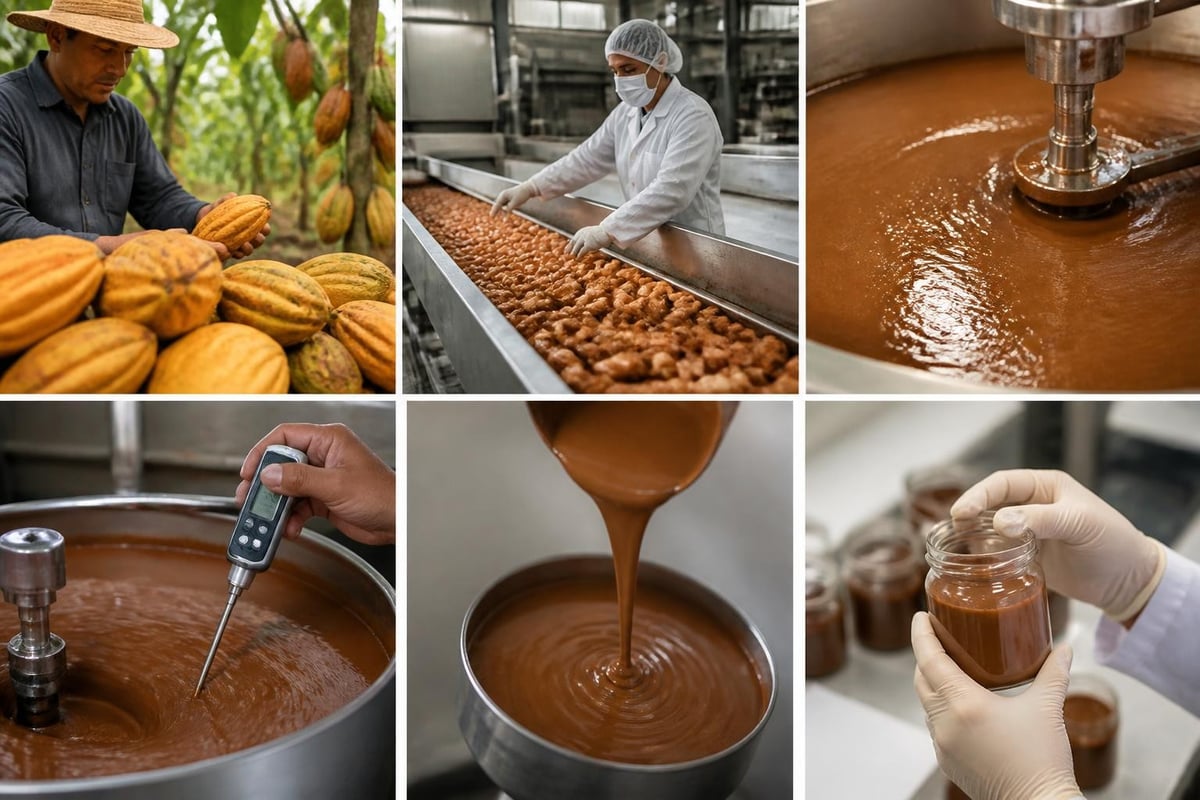
Raw Material Selection and Preparation
Premium sweet potato caramel demands exceptional raw materials. Varieties with dry matter content between 25-35% typically perform best in caramelization processes, as they concentrate more effectively and develop superior texture during cooking.
Selection criteria for processing-grade sweet potatoes:
- Uniform size distribution for consistent cooking times
- Minimal surface damage to prevent oxidation and off-flavors
- Proper curing to convert starches and develop natural sweetness
- Storage conditions maintaining 55-60°F with controlled humidity
| Quality Parameter | Specification | Impact on Caramel Quality |
|---|---|---|
| Dry Matter | 25-35% | Affects concentration efficiency and final viscosity |
| Sugar Content | 4-8% | Determines natural sweetness and caramelization potential |
| Fiber Structure | Minimal woody fibers | Influences texture smoothness and mouthfeel |
| Color Uniformity | Consistent orange hue | Ensures predictable final product appearance |
Processing facilities must implement rigorous washing, peeling, and inspection protocols. Oxidation represents a primary concern during preparation, as exposed sweet potato flesh discolors rapidly. Immediate processing or controlled atmosphere storage prevents quality degradation that would compromise the final sweet potato caramel product.
Commercial Applications and Market Segments
The versatility of sweet potato caramel opens multiple revenue streams for importers and distributors. Understanding specific application requirements helps align product specifications with target market needs.
Bakery and Confectionery Integration
Premium bakeries increasingly incorporate sweet potato caramel as a filling, topping, or flavor component. The ingredient functions effectively in both traditional and innovative applications, from creative sweet potato preparations to classic confections.
Primary bakery applications include:
- Layer cake fillings requiring stable texture at room temperature
- Artisanal candy production for premium retail channels
- Pastry glazes that add visual appeal and flavor complexity
- Cookie and bar inclusions providing texture contrast
The caramel's natural color eliminates the need for artificial colorants, addressing clean-label requirements in regulated markets. European buyers particularly value this characteristic, as regulatory environments increasingly restrict synthetic additives.
Dairy and Frozen Dessert Enhancement
Ice cream manufacturers represent another significant market segment for sweet potato caramel. The ingredient performs exceptionally in frozen applications, maintaining appropriate texture through freeze-thaw cycles while contributing distinctive flavor notes that differentiate products in competitive markets.
Premium gelato producers in Italy and artisanal ice cream makers in Japan have demonstrated particular interest in sweet potato caramel as a signature flavor component. The ingredient aligns with consumer trends toward globally-inspired flavor profiles and natural ingredient declarations.
Supply Chain Considerations for International Trade
Successful sweet potato caramel programs require coordinated supply chain management from Indonesian farms through international distribution networks. Export specialists must address multiple logistical considerations to maintain product quality and economic viability.

Processing Format Selection
Sweet potato caramel can be exported in various formats, each offering distinct advantages for specific buyer segments:
| Format | Shelf Life | Shipping Cost | Best Application |
|---|---|---|---|
| Frozen puree concentrate | 12-18 months | Higher (refrigerated) | Large-scale manufacturers |
| Drum-dried powder | 24+ months | Lower (ambient) | Dry mix producers, extended distribution |
| Shelf-stable paste | 18-24 months | Moderate (ambient) | Bakeries, mid-size operations |
| Aseptic packaging | 12-18 months | Moderate (ambient) | Quality-focused premium brands |
Product format selection impacts pricing strategies, target customer profiles, and competitive positioning. Buyers appreciate suppliers who understand these nuances and can provide consultation during specification development.
Regulatory Compliance Across Markets
International sweet potato caramel trade requires navigation of varying regulatory frameworks. Different markets impose specific requirements regarding food safety certifications, labeling standards, and permissible additives.
Essential certifications for major markets include:
- HACCP certification demonstrating systematic food safety management
- Organic certification for premium natural product segments
- Halal certification for Middle Eastern and Southeast Asian markets
- Kosher certification for specific North American and European buyers
- ISO 22000 for comprehensive food safety management systems
Understanding how sweet potatoes support various health outcomes helps position products within regulatory frameworks that govern health claim permissions. Exporters must ensure all marketing materials and product documentation comply with destination market regulations.
Quality Differentiation and Competitive Positioning
The sweet potato caramel market encompasses a spectrum from commodity-grade ingredients to ultra-premium artisanal products. Successful exporters identify their competitive position and consistently deliver quality aligned with that positioning.
Premium Quality Indicators
Several factors distinguish premium sweet potato caramel from standard commercial grades. Buyers evaluating suppliers assess these characteristics when establishing long-term partnerships:
Color consistency reflects raw material quality and processing precision. Premium grades exhibit uniform, rich caramel tones without dark spots or color variation between production batches. This consistency enables manufacturers to maintain brand standards across multiple production runs.
Flavor complexity differentiates exceptional sweet potato caramel from basic versions. The best products balance natural sweet potato earthiness with properly developed caramel notes, avoiding burnt flavors or excessive sweetness that masks the base ingredient character.
Texture properties must meet specific application requirements. Premium sweet potato caramel maintains appropriate viscosity across storage conditions, resists separation or syneresis, and delivers consistent mouthfeel in finished products.
Partnership Models for Long-Term Success
International buyers increasingly seek suppliers offering comprehensive partnership rather than transactional relationships. This shift reflects the complexity of specialty ingredient supply chains and the value of collaborative problem-solving.
Effective partnership elements include:
- Technical support for product formulation and application development
- Flexible minimum order quantities accommodating market testing and seasonal variation
- Transparent communication regarding harvest conditions, availability forecasts, and pricing factors
- Quality documentation providing complete traceability from farm to export container
For businesses engaged in sweet potato export operations, establishing these partnership frameworks creates competitive advantages beyond price-based competition. Buyers pay premium prices for reliability, consistency, and responsive service.
Innovation Opportunities in Product Development
The sweet potato caramel category remains relatively underdeveloped compared to mature ingredient markets, presenting significant innovation opportunities for forward-thinking exporters and their customers.
Emerging Application Categories
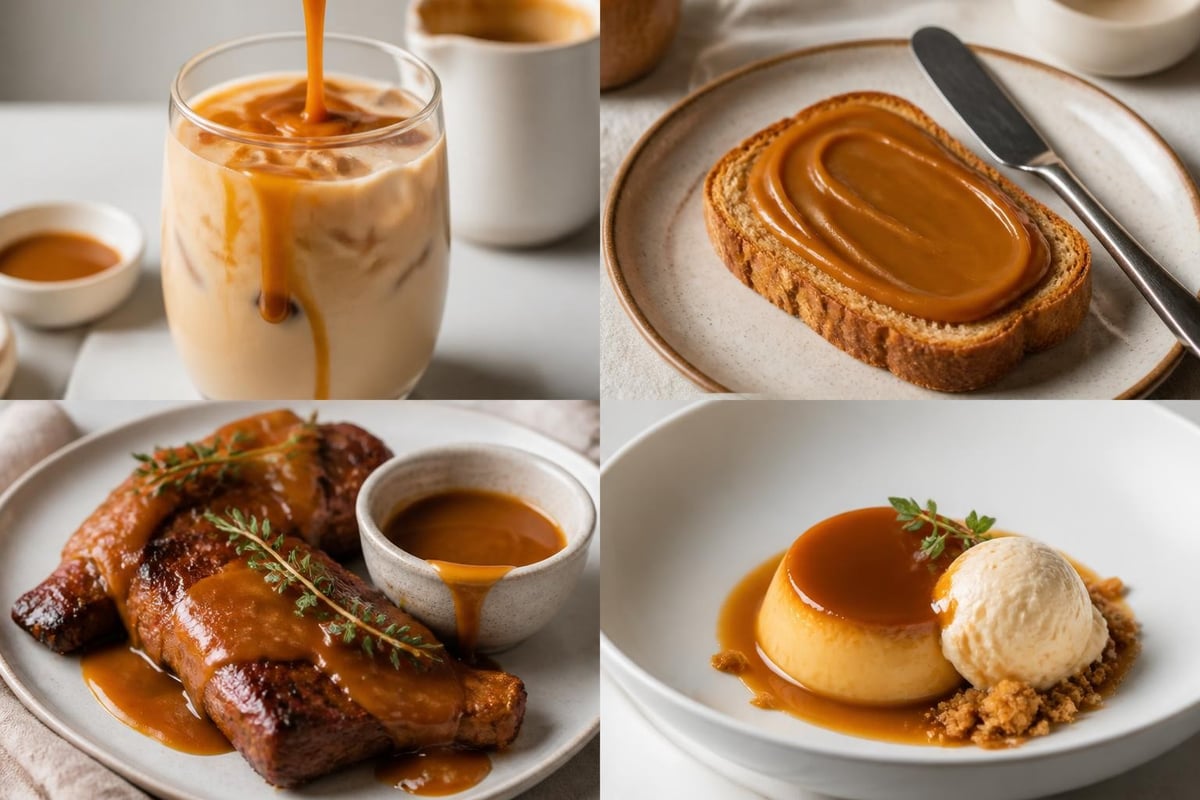
Beyond traditional bakery and confectionery uses, sweet potato caramel shows promise in several emerging categories that align with current food industry trends.
Beverage applications represent an underexplored opportunity. Specialty coffee shops experiment with sweet potato caramel as a syrup base for seasonal beverages, while craft brewers incorporate it into limited-release beers targeting adventurous consumers. These applications require different viscosity specifications and flavor concentrations than bakery uses.
Savory applications challenge conventional assumptions about caramel's role in cuisine. Contemporary chefs incorporate sweet potato caramel in glazes for roasted proteins, dressings for autumn salads, and finishing sauces for vegetable preparations, as seen in innovative sweet potato recipes that showcase the ingredient's versatility.
Nutritional product integration capitalizes on sweet potato's health credentials. Protein bar manufacturers, meal replacement producers, and functional food companies evaluate sweet potato caramel as a binder and flavor component that contributes nutrition alongside taste appeal.
Clean Label Formulation Strategies
Consumer demand for recognizable ingredients drives reformulation throughout the food industry. Sweet potato caramel naturally aligns with clean label principles, but formulation details significantly impact market acceptance.
Successful clean label sweet potato caramel formulations minimize additive use while maintaining required functionality. Natural thickeners derived from tapioca or pectin replace modified starches. Natural preservatives like rosemary extract substitute for synthetic options. These adjustments command price premiums but access higher-value market segments.
Market Intelligence and Pricing Dynamics
Understanding sweet potato caramel market dynamics enables exporters to make informed decisions about production planning, quality investments, and pricing strategies.
Regional Demand Patterns
Different geographic markets exhibit varying demand characteristics for sweet potato caramel and related products. Asian markets, particularly Japan and South Korea, show strong consumer familiarity with sweet potato flavors and accept them across diverse product categories. European markets demonstrate growing interest driven by specialty food trends and natural ingredient preferences. North American markets occupy an intermediate position, with strongest demand in premium and artisanal segments.
Market-specific considerations include:
- Flavor preferences: Some markets prefer pronounced sweet potato character, while others seek balanced caramel-forward profiles
- Texture expectations: Japanese buyers often specify firmer textures than European counterparts
- Packaging requirements: Retail versus food service channels demand different packaging formats
- Price sensitivity: Premium positioning works best in mature specialty markets
Competitive Landscape Analysis
The sweet potato caramel supply base remains relatively concentrated compared to mainstream ingredients. This concentration creates opportunities for new entrants who can demonstrate consistent quality and reliable supply. However, success requires understanding competitor strengths and market positioning.
Established suppliers typically differentiate through one of several strategies: cost leadership for commodity applications, quality premiums for artisanal segments, or service excellence for partnership-oriented buyers. New market entrants must identify an underserved niche or develop genuine competitive advantages rather than attempting direct competition with entrenched players.
Production Scaling and Capacity Planning
As sweet potato caramel demand grows, exporters face decisions regarding production capacity and processing infrastructure investments. These decisions carry long-term implications for business development and market positioning.
Infrastructure Requirements
Commercial-scale sweet potato caramel production requires specific equipment and facility configurations. Processing capacity must balance market demand projections against capital investment constraints and operational efficiency requirements.
Essential infrastructure components include:
- High-capacity washing systems to handle incoming raw materials efficiently
- Steam peeling equipment for consistent processing and yield optimization
- Industrial cooking vessels with precise temperature control for caramelization
- Concentration equipment to achieve target solids levels
- Aseptic or hot-fill packaging lines depending on chosen format
- Cold storage facilities for raw materials and finished goods
| Capacity Level | Daily Processing Volume | Initial Investment Range | Target Market Segment |
|---|---|---|---|
| Small-scale | 1-3 metric tons raw material | $150,000-$400,000 | Local artisanal, testing |
| Mid-scale | 5-15 metric tons raw material | $800,000-$2,000,000 | Regional distribution |
| Large-scale | 20+ metric tons raw material | $3,000,000+ | International export |
Investment decisions should align with realistic market access timelines and customer commitment levels. Premature scaling creates financial strain, while delayed capacity expansion limits growth opportunities.
Seasonal Production Management
Sweet potato harvest seasonality impacts production planning and customer relationship management. Indonesian sweet potato production from West Java partner farms typically peaks between specific months, creating natural production windows for fresh-processed caramel products.
Effective seasonal management strategies include extended storage of whole sweet potatoes under controlled conditions, production of shelf-stable formats during peak harvest, and clear communication with buyers regarding availability patterns. Some exporters develop complementary product lines utilizing different raw materials during sweet potato off-seasons, maintaining facility utilization and workforce stability.
Technical Support and Customer Service Excellence
As sweet potato caramel evolves from niche ingredient to mainstream application, technical support becomes increasingly important for supplier differentiation. Buyers value partners who contribute formulation expertise alongside quality products.
Application Development Assistance
Many potential sweet potato caramel customers lack experience working with the ingredient. Providing application development support accelerates market adoption and builds customer loyalty. This support might include recipe formulation assistance, processing parameter guidance, and troubleshooting for texture or stability challenges.
Forward-thinking exporters maintain technical teams capable of responding to customer inquiries regarding ingredient functionality, substitution ratios for existing formulations, and optimization strategies for specific applications. This expertise creates value beyond the physical product, justifying premium pricing and securing long-term relationships.
Comprehensive documentation supporting product use enhances customer success. Technical data sheets specifying functional properties, suggested usage rates, storage recommendations, and handling procedures enable customers to work effectively with sweet potato caramel across various applications.
Sweet potato caramel represents a significant opportunity at the intersection of natural ingredients, premium positioning, and innovative applications in global food markets. Success requires attention to quality throughout the supply chain, from raw material selection through processing, packaging, and international logistics. For importers and distributors seeking reliable partners in this emerging category, PT Cakra Baja Niaga offers direct access to premium West Java sweet potatoes and processing expertise to support your sweet potato caramel initiatives. Our transparent partnership approach and commitment to consistent quality ensure your business can confidently serve demanding international markets with exceptional Indonesian sweet potato products.
Looking to source premium Indonesian sweet potatoes?
PT Cakra Baja Niaga supplies export-grade Cilembu, Purple, and Murasaki varieties to buyers worldwide.
Continue reading
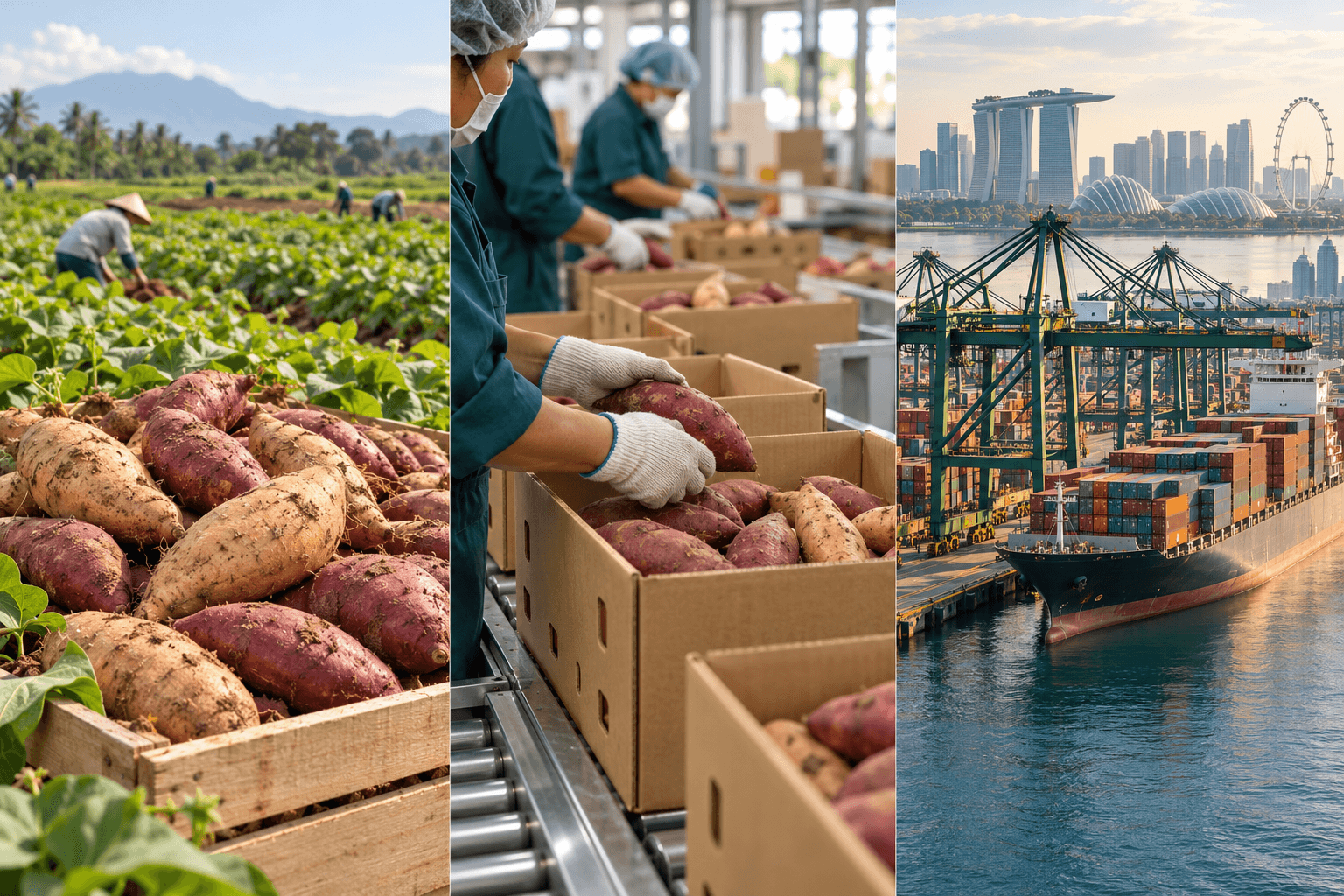
Sweet Potatoes Import Singapore Market Report
Explore Singapore’s sweet potato imports, leading suppliers, SFA requirements, pricing factors, and sourcing opportunities for Indonesian exporters.
Read article
Wholesale Sweet Potatoes Indonesia: B2B Export Guide 2026
Source premium wholesale sweet potatoes Indonesia for import. Quality standards, export logistics, varieties, pricing & supplier partnerships.
Read article
Sweet Potatoes Supplier Indonesia: Quality & Export Guide
Find reliable sweet potatoes supplier Indonesia offering premium export quality. Learn about sourcing, grading, logistics, and partnerships.
Read article