
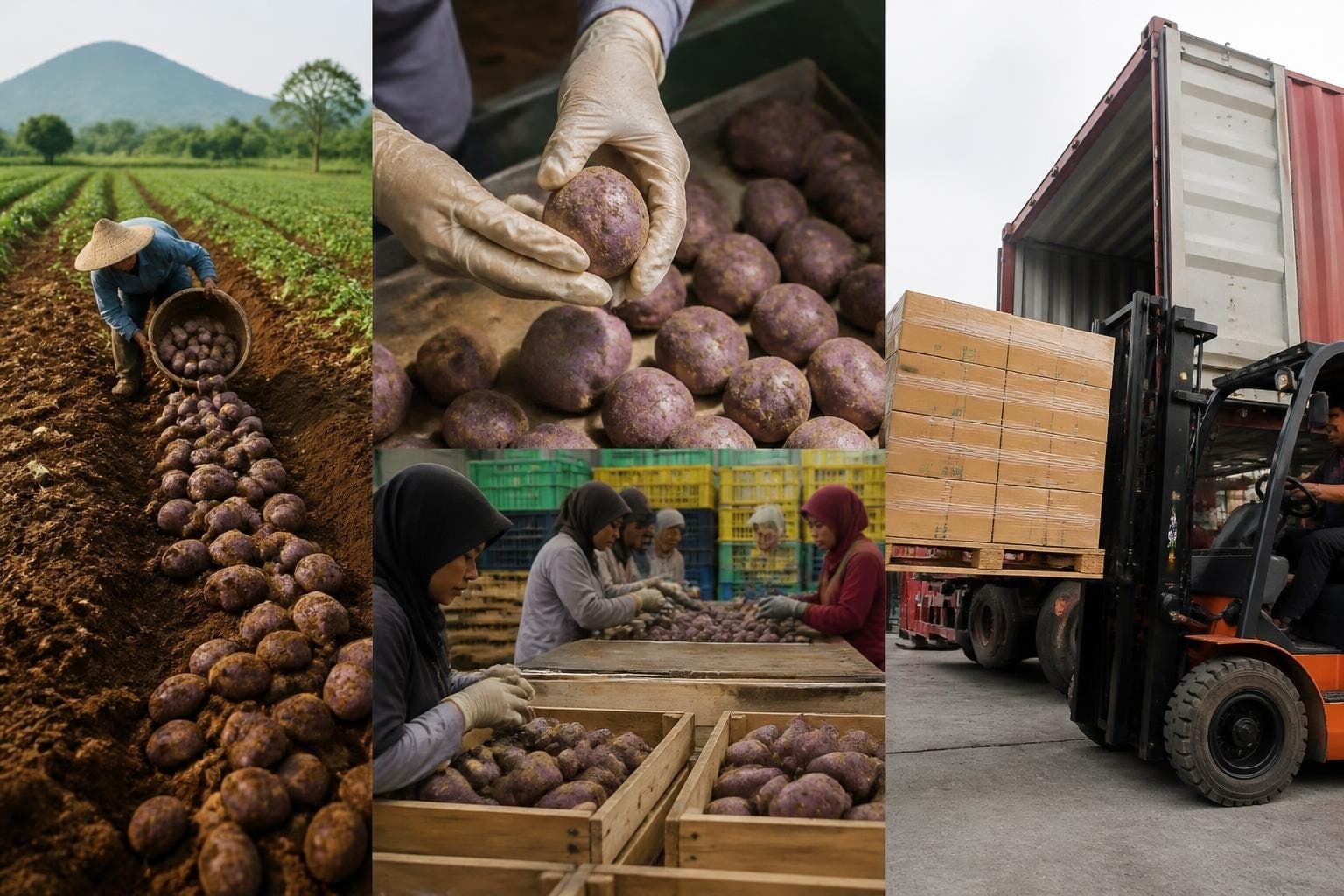
Purple Japanese Sweet Potatoes: Premium Varieties for Global Export
Discover purple Japanese potatoes: nutritional benefits, market demand, varieties, and export strategies for international sweet potato traders.
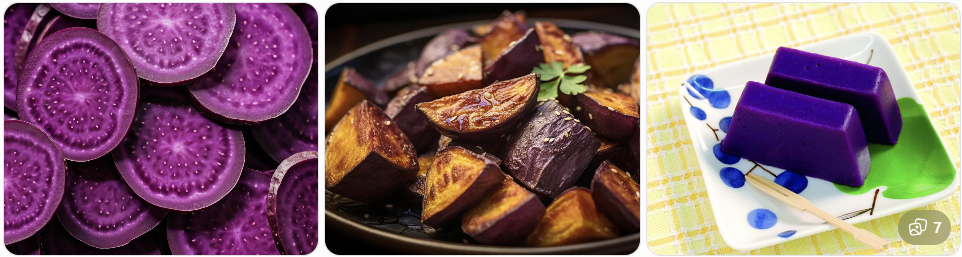
Purple Japanese sweet potatoes have become increasingly attractive to international buyers looking for distinctive, nutritious, and premium fresh produce. Their vibrant purple flesh, naturally sweet flavor, and versatile culinary applications make them appealing to specialty retailers, restaurants, distributors, and health-focused consumers.
For exporters working with Indonesian partner farms, these varieties offer an opportunity to move beyond commodity sweet potatoes and compete in higher-value market segments. Understanding variety characteristics, quality requirements, cultivation practices, logistics, and buyer expectations is essential for building a successful export program.
What Are Purple Japanese Sweet Potatoes?
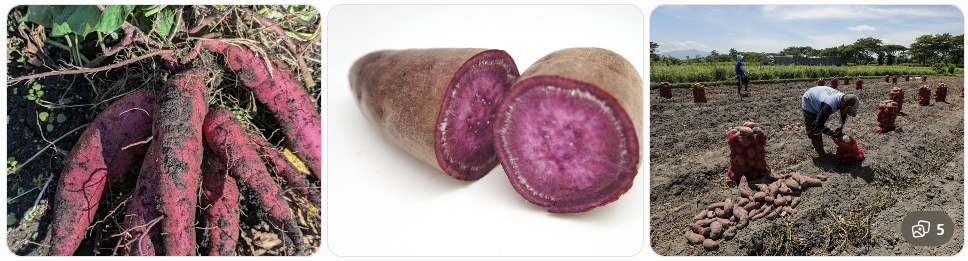
Purple Japanese sweet potatoes refer to several specialty cultivars associated with Japanese breeding and culinary traditions. Popular examples include Murasaki, Purple Sweet Road, and other purple-fleshed cultivars that are now grown in different parts of Asia and other suitable regions.
These sweet potatoes are recognized for their elongated shape, purple or purple-tinged skin, vividly colored flesh, dense texture, and naturally sweet, nutty flavor.
Key Characteristics
Premium purple Japanese sweet potatoes typically feature:
-
Elongated or oblong shapes with tapered ends
-
Purple, reddish-purple, or purple-tinged skin
-
Lavender to deep-violet flesh
-
Dense, relatively dry texture after cooking
-
Naturally sweet flavor with subtle nutty notes
-
Anthocyanin-rich pigmentation
Because the skin can be relatively delicate, careful harvesting, curing, grading, and packaging are particularly important for export shipments.
Popular Varieties and Market Positioning
| Variety | Flesh | Flavor | Potential Markets |
|---|---|---|---|
| Murasaki | Deep purple | Sweet, nutty | Japan, USA, Europe |
| Purple Sweet Road | Medium purple | Sweet | Singapore, Hong Kong, UAE |
| Okinawan | Light purple | Mildly sweet | Australia, New Zealand |
| Indonesian Purple Types | Variable purple | Sweet | Asia, Middle East |
Market preferences vary by destination, so exporters should confirm the buyer's preferred variety, size, appearance, and culinary characteristics before production planning.
Nutritional Value and Consumer Appeal
One of the strongest commercial advantages of purple Japanese sweet potatoes is their distinctive nutritional profile. Their purple pigmentation comes primarily from anthocyanins, naturally occurring compounds also found in foods such as blueberries and red cabbage.
These compounds contribute to antioxidant activity and make purple sweet potatoes particularly attractive to consumers interested in functional and nutrient-dense foods.
A 100-gram serving is commonly described as providing approximately 86 calories, 20 grams of carbohydrates, 1.6 grams of protein, and very little fat. Nutritional values vary by cultivar and growing conditions, so exporters should use laboratory or cultivar-specific data when making precise nutritional claims.
Why Nutrition Matters for Exporters
The nutritional positioning of purple Japanese sweet potatoes creates opportunities in:
-
Premium supermarkets
-
Health-food retailers
-
Asian specialty stores
-
Restaurants and hotels
-
Functional-food manufacturers
-
Specialty food distributors
Rather than competing solely on price, exporters can position these products around appearance, variety, flavor, nutrition, and culinary versatility.
Cultivation Requirements for Export Quality
Producing export-grade purple Japanese sweet potatoes requires consistency from planting through harvest. West Java offers favorable growing conditions, including tropical temperatures and volcanic soils, but farm management remains critical to achieving uniform commercial quality.
Soil and Growing Conditions
The source article identifies several important conditions for production:
-
Well-drained sandy-loam soil
-
Soil pH around 5.5–6.5
-
Warm growing temperatures
-
Adequate sunlight
-
Consistent moisture without waterlogging
-
Raised beds or ridges for drainage
-
Balanced fertilization, particularly potassium
Excessive nitrogen can encourage vine growth at the expense of desirable tuber development, making nutrient management an important part of export-oriented cultivation.
Harvest Timing
Harvest maturity directly affects flavor, appearance, skin condition, and storage performance. Depending on cultivar and growing conditions, purple Japanese sweet potatoes may require approximately 120–150 days to reach maturity.
Premature harvesting can result in underdeveloped tubers and weaker eating quality, while harvesting too late can increase the risk of mechanical damage and oversized roots.
Export Quality Standards
International buyers generally expect consistent sizing, clean skin, firm texture, attractive coloration, and minimal defects.
Typical Premium Grade
A premium export specification may include:
-
200–400 grams per tuber
-
Uniform shape and size
-
Strong, consistent purple coloration
-
Minimal scarring or blemishes
-
Firm flesh without soft spots
-
No visible rot, sprouting, or pest damage
-
Clean and properly cured product
Grade B products with minor cosmetic imperfections can be directed toward processing, foodservice, or value-oriented retail channels.
Curing, Storage, and Shelf Life
Post-harvest handling is critical because purple Japanese sweet potatoes can have delicate skins.
Proper curing helps heal minor surface injuries and improves storage performance. The source article recommends curing around 30°C with 85–90% humidity for approximately 5–7 days, followed by controlled storage around 13–15°C with appropriate relative humidity.
Exporters should nevertheless validate storage parameters for the specific cultivar and shipment conditions rather than applying a single temperature standard to every variety.
Packaging and International Logistics
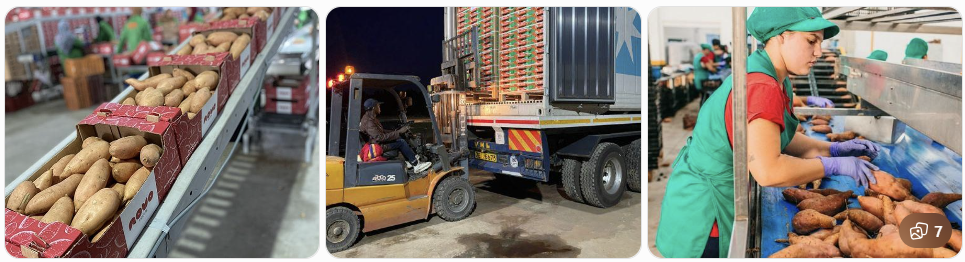
Packaging must protect the sweet potatoes from impact, abrasion, excess moisture, and temperature fluctuations.
Common export formats include:
-
5 kg ventilated cartons
-
10 kg ventilated cartons
-
Protective tissue or foam netting
-
Moisture-absorbing materials
-
Temperature-monitoring labels
-
Clear variety and origin identification
Sea freight is generally the most economical option for commercial volumes, while air freight may be appropriate for smaller premium shipments where freshness and speed justify higher transportation costs.
Market Opportunities for Purple Japanese Sweet Potatoes
Demand is particularly interesting in markets where consumers already understand Japanese varieties or actively seek visually distinctive foods.
Asia
Japan, South Korea, Singapore, and Hong Kong offer opportunities for premium Japanese-style varieties. Buyers in these markets tend to place strong emphasis on consistency, appearance, variety authenticity, and food safety.
Middle East
The UAE and other Middle Eastern markets provide opportunities through premium supermarkets, hotels, restaurants, and specialty distributors. Consistent supply, attractive sizing, and reliable logistics are important purchasing considerations.
Europe and North America
European and North American markets can offer opportunities through Asian grocery chains, health-food retailers, specialty produce distributors, restaurants, and premium supermarkets.
The strongest positioning is generally not simply “purple sweet potato,” but a combination of specific variety, consistent quality, origin, nutrition, and culinary performance.
Pricing and Commercial Strategy
Purple Japanese sweet potatoes can command a premium over conventional sweet potatoes because of their specialty positioning. However, actual export prices vary according to cultivar, grade, season, order volume, packaging, destination, and Incoterms.
The original article provides indicative FOB ranges of approximately US$2.50–4.50/kg, but exporters should treat these as market references rather than fixed prices.
Long-term supply agreements can provide benefits to both sides by improving production planning and creating greater price predictability.
Building Reliable Buyer Partnerships
Successful export relationships depend on more than competitive pricing. International buyers increasingly evaluate suppliers based on:
-
Farm-level traceability
-
Consistent product specifications
-
Quality assurance procedures
-
Export documentation
-
Communication and responsiveness
-
Packaging flexibility
-
Supply continuity
-
Problem-solving capability
Providing photographs, product specifications, crop updates, and samples before large orders can significantly reduce uncertainty for first-time buyers.
For Indonesian exporters, direct relationships with partner farms can also improve control over cultivation, harvesting, grading, and traceability.
Regulatory Compliance and Risk Management
Fresh sweet potato exports must comply with the requirements of both the exporting and importing countries. Depending on the destination, buyers may require:
-
Phytosanitary certificates
-
Import permits
-
Certificates of origin
-
Pesticide-residue testing
-
Fumigation or other required treatments
-
Commercial invoices and packing lists
-
Cargo and temperature-control documentation
Requirements vary by country and can change, so exporters should verify destination-specific regulations before accepting commercial orders.
Why Purple Japanese Sweet Potatoes Are a Promising Export Product
Purple Japanese sweet potatoes combine several characteristics that make them attractive for international trade: distinctive appearance, strong culinary versatility, premium positioning, and consumer interest in naturally colorful and nutrient-dense foods.
For Indonesian exporters, the opportunity lies in consistently delivering the characteristics premium buyers value most—uniform size, attractive color, good eating quality, careful post-harvest handling, reliable documentation, and dependable supply.
PT Cakra Baja Niaga works with quality-focused farms in West Java to connect international buyers with Indonesian sweet potatoes for export markets. By combining farm partnerships, quality control, and export coordination, the company aims to provide buyers with consistent products and reliable long-term supply.
For importers and distributors looking for premium purple Japanese sweet potatoes from Indonesia, the next step is to define the required variety, size, packaging, destination, and target volume so the appropriate export specification can be developed.
Looking to source premium Indonesian sweet potatoes?
PT Cakra Baja Niaga supplies export-grade Cilembu, Purple, and Murasaki varieties to buyers worldwide.
Continue reading

Sweet Potatoes Import Singapore Market Report
Explore Singapore’s sweet potato imports, leading suppliers, SFA requirements, pricing factors, and sourcing opportunities for Indonesian exporters.
Read article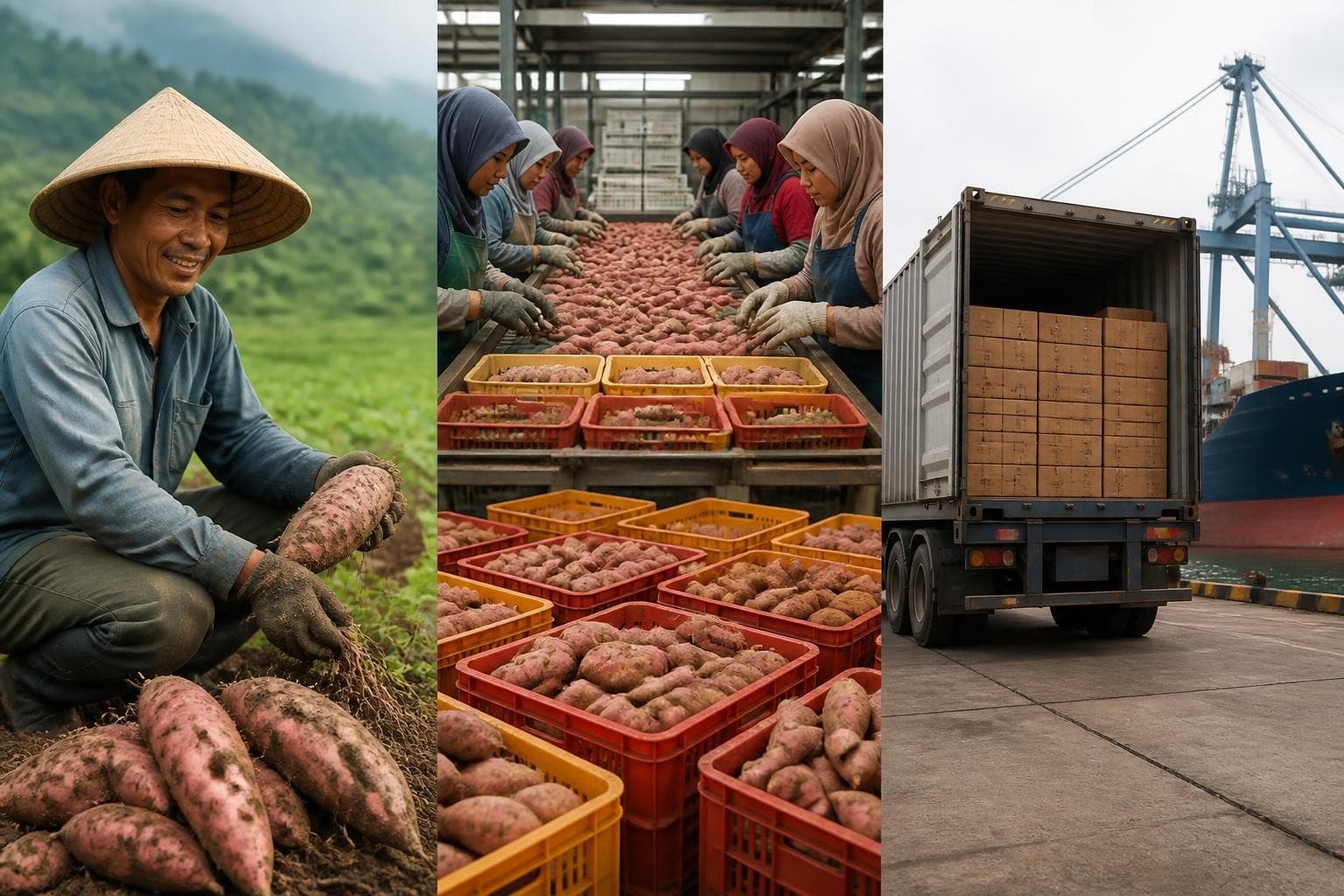
Wholesale Sweet Potatoes Indonesia: B2B Export Guide 2026
Source premium wholesale sweet potatoes Indonesia for import. Quality standards, export logistics, varieties, pricing & supplier partnerships.
Read article
Sweet Potatoes Supplier Indonesia: Quality & Export Guide
Find reliable sweet potatoes supplier Indonesia offering premium export quality. Learn about sourcing, grading, logistics, and partnerships.
Read article