
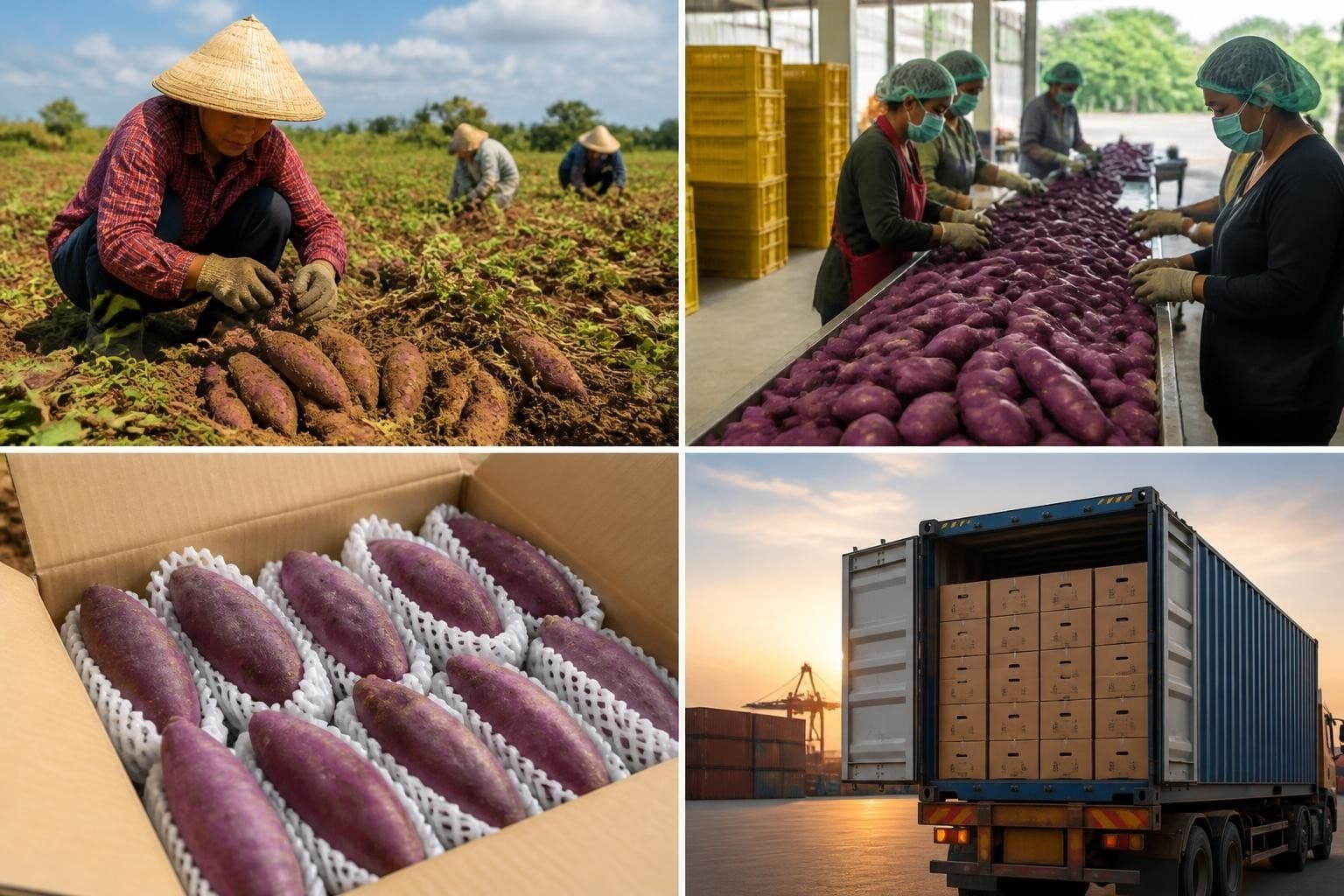
Purple camote offers superior nutrition and market appeal. Learn why this Indonesian sweet potato variety is transforming global produce trade.
Purple camote represents one of the most compelling opportunities in the international produce trade today. This vibrant sweet potato variety combines exceptional nutritional value with striking visual appeal, creating strong demand across retail, foodservice, and wholesale channels worldwide. For importers and distributors seeking reliable sources of premium sweet potatoes, understanding the characteristics, market dynamics, and sourcing considerations for purple camote has become essential to building competitive product portfolios in 2026.
Nutritional Profile and Health Benefits
The distinctive purple flesh of this sweet potato variety signals an abundance of anthocyanins, the same powerful antioxidants found in blueberries and red cabbage. These compounds give purple camote its rich color while delivering significant health benefits that resonate with health-conscious consumers across global markets.
Antioxidant Concentration and Consumer Appeal
Purple camote contains significantly higher levels of antioxidants compared to orange or white sweet potato varieties. Research indicates that the anthocyanin content in purple-fleshed sweet potatoes can be three to four times higher than traditional varieties, making them particularly attractive to retailers targeting wellness-focused demographics.
The nutritional benefits of sweet potatoes extend across multiple categories, but purple varieties offer enhanced antioxidant profiles that support marketing claims and premium positioning. This nutritional advantage translates directly to shelf appeal and justifies higher price points in competitive retail environments.
Key nutritional components include:
- High fiber content supporting digestive health claims
- Vitamin A and beta-carotene despite the purple pigmentation
- Potassium levels comparable to bananas
- Low glycemic index relative to standard potatoes
- Complex carbohydrates providing sustained energy
Comparative Nutritional Analysis
Understanding how purple camote compares to other tuber varieties helps importers position products effectively within their portfolios and communicate value to retail partners.
| Nutrient (per 100g) | Purple Camote | Orange Sweet Potato | White Potato |
|---|---|---|---|
| Calories | 86 kcal | 90 kcal | 77 kcal |
| Fiber | 3.3g | 3.0g | 2.2g |
| Vitamin A | 8,509 IU | 14,187 IU | 0 IU |
| Anthocyanins | High | Low | None |
| Glycemic Index | 54 | 70 | 85 |
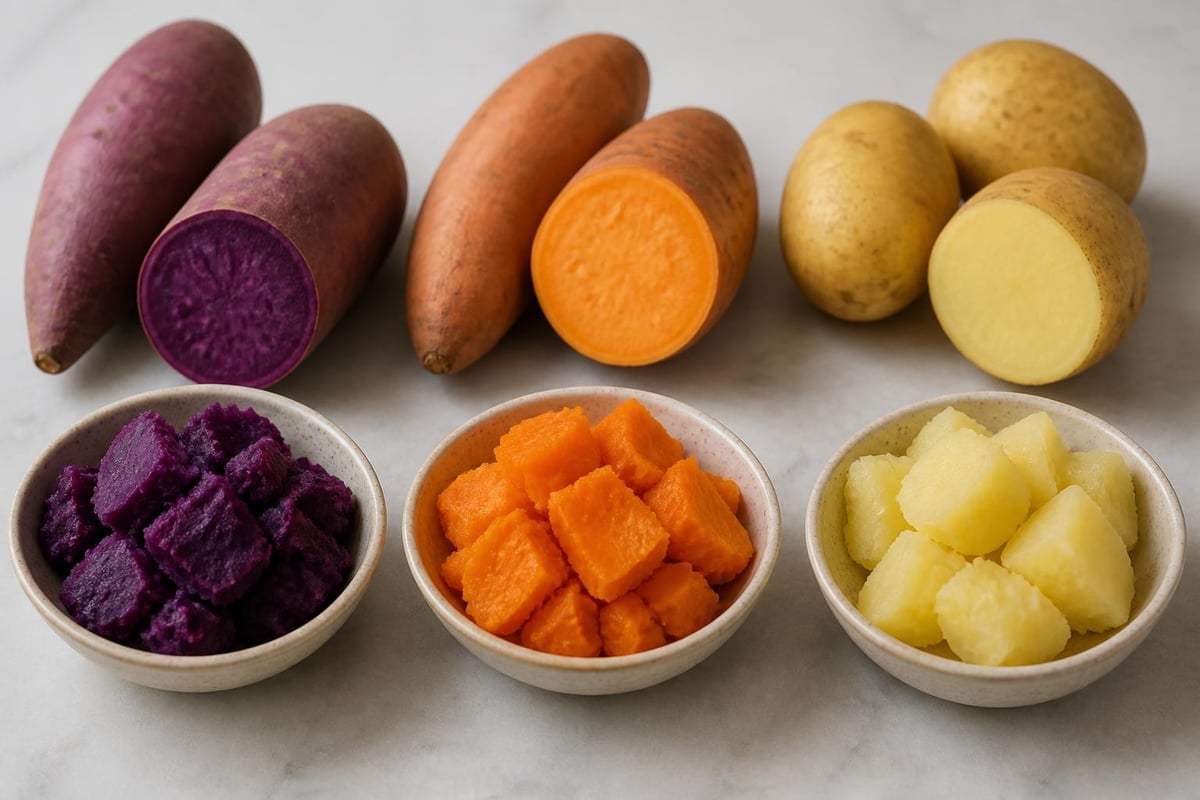
The lower glycemic index of purple camote makes it particularly valuable for markets with growing diabetes awareness and health-conscious consumer bases. Importers serving regions with aging populations or strong wellness trends should recognize this as a significant competitive advantage.
Market Demand and Commercial Applications
Global demand for purple camote has grown substantially over the past five years, driven by consumer interest in superfood vegetables and visually distinctive produce items. The variety performs exceptionally well across multiple market segments, from fresh retail to value-added processing.
Retail and Fresh Market Opportunities
Specialty grocers, organic retailers, and premium supermarket chains consistently report strong performance for purple camote when properly merchandised. The visual impact of the purple flesh creates natural differentiation in produce departments, while the nutritional profile supports premium pricing strategies.
Consumer purchasing patterns show particular strength in:
- Urban markets with diverse, educated demographics
- Regions with established Asian or Latino communities
- Health food stores and natural grocers
- Farm-to-table restaurant supply chains
- Meal kit delivery services emphasizing unique ingredients
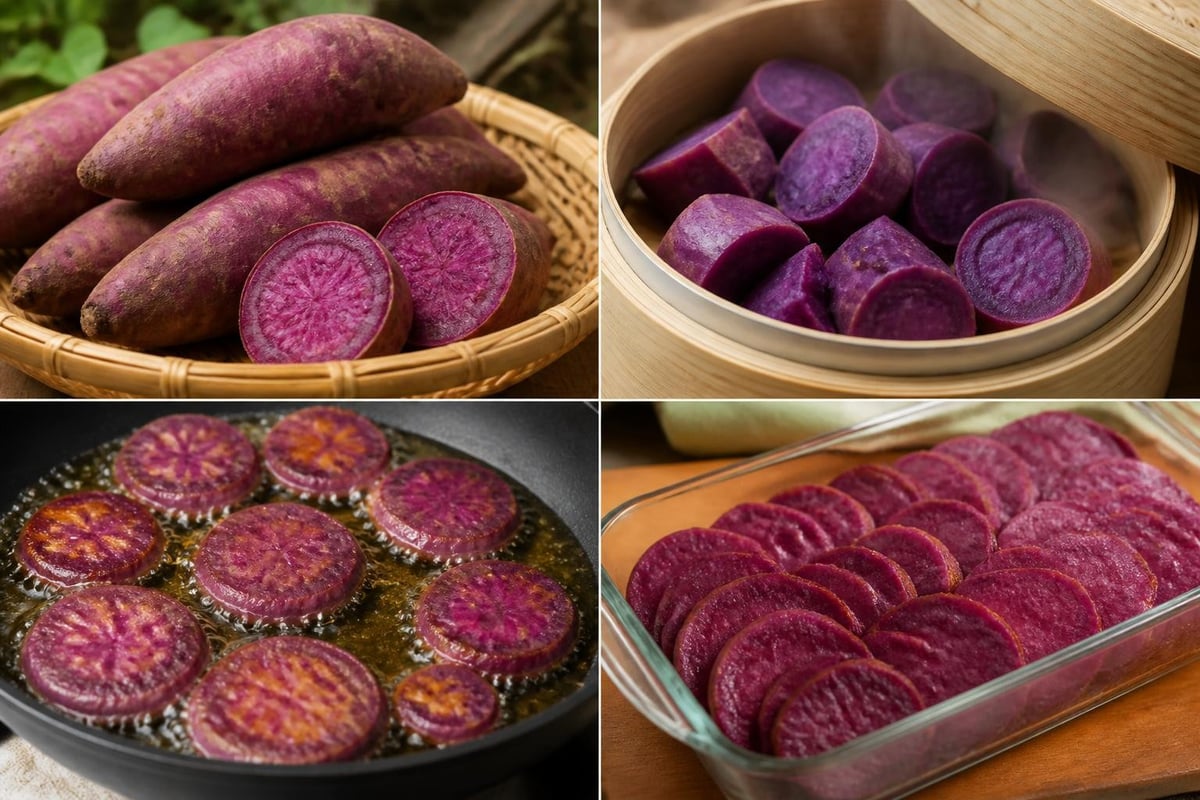
The detailed characteristics of purple camotes make them versatile across cooking methods, expanding their appeal beyond traditional sweet potato applications. This versatility supports year-round demand rather than seasonal spikes, creating more stable import requirements for distributors.
Foodservice and Processing Sectors
Restaurant operators and food manufacturers increasingly incorporate purple camote into menu development and product innovation. The distinctive color remains stable through most cooking processes, creating visual interest in prepared foods, baked goods, and specialty items.
Commercial applications include:
- Artisan bread and bakery products with natural purple hues
- Premium french fries and sweet potato fries for upscale dining
- Baby food and organic purees targeting health-focused parents
- Frozen vegetable blends emphasizing color variety
- Natural food colorings for clean-label manufacturers
The processing sector values purple camote for its consistent color, predictable cooking characteristics, and clean-label appeal. These attributes support long-term contract opportunities for exporters who can guarantee consistent quality and reliable supply.
Sourcing Considerations for International Buyers
Successfully sourcing purple camote requires understanding cultivation practices, harvest windows, quality standards, and logistics challenges specific to this variety. Indonesian production, particularly from West Java regions, has emerged as a leading source for international markets due to favorable growing conditions and established export infrastructure.
Growing Regions and Harvest Cycles
Indonesia's tropical climate provides ideal conditions for purple camote cultivation, with multiple growing regions producing overlapping harvest cycles throughout the year. This geographic advantage enables more consistent supply compared to regions with single annual harvests.
West Java production areas benefit from:
- Volcanic soil rich in nutrients supporting vibrant color development
- Consistent rainfall patterns reducing irrigation requirements
- Established farming communities with multi-generational expertise
- Proximity to major export ports minimizing transit time
- Government agricultural support programs ensuring quality standards
Understanding these regional advantages helps buyers evaluate supplier claims and assess long-term partnership potential with exporters operating in these areas.
Quality Standards and Grading Systems
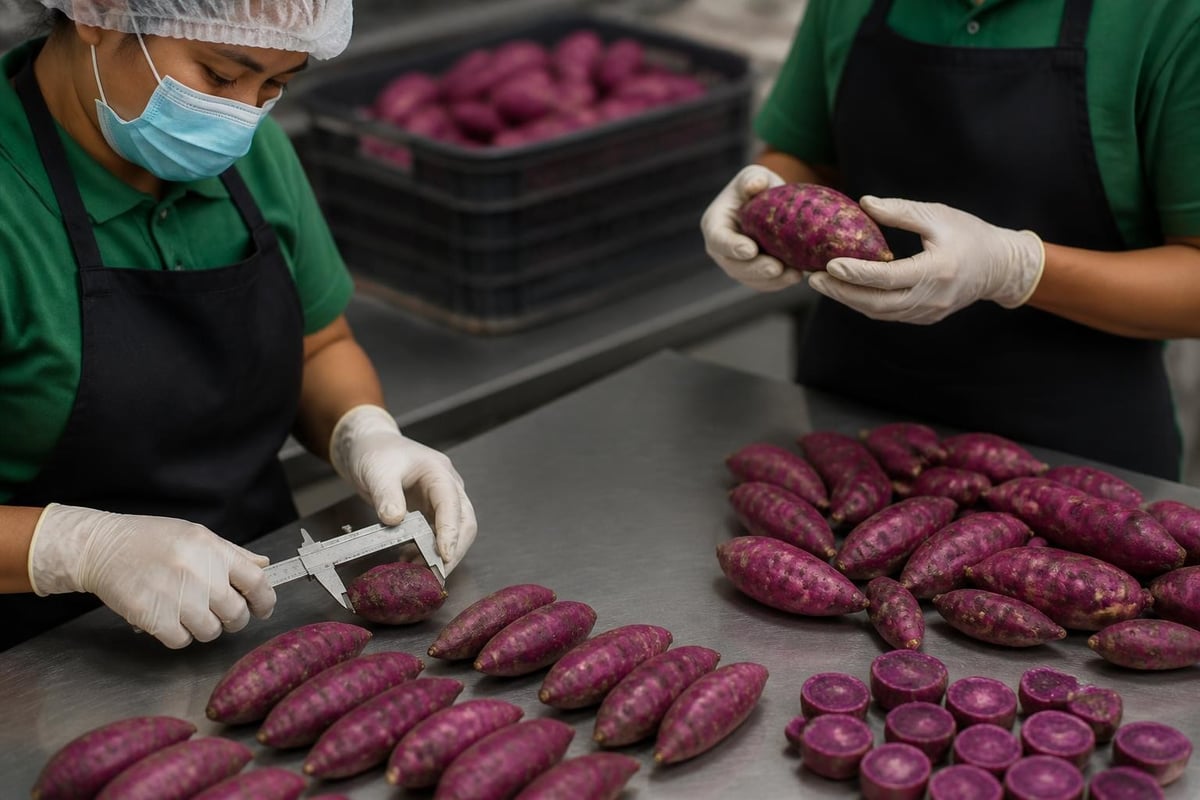
International buyers require clear quality specifications to ensure received shipments meet customer expectations and minimize rejection rates. Purple camote quality assessment focuses on several critical factors beyond basic size and shape considerations.
| Quality Factor | Premium Grade | Standard Grade | Processing Grade |
|---|---|---|---|
| Color Intensity | Deep purple | Medium purple | Light acceptable |
| Size Range | 200-400g | 150-500g | Any size |
| Surface Defects | <5% area | <10% area | <20% area |
| Flesh Firmness | Very firm | Firm | Moderately firm |
| Shape Uniformity | High | Moderate | Variable |
Establishing clear grading criteria with suppliers prevents disputes and ensures consistent product quality across shipments. Buyers should request sample shipments before committing to large volume contracts, particularly when establishing new supplier relationships.
Packaging and Logistics Requirements
Purple camote requires specific handling procedures to maintain quality during international transit. The variety is generally more delicate than standard potato varieties, necessitating careful packaging design and temperature-controlled shipping for optimal results.
Packaging Solutions for Export
Proper packaging protects product integrity while facilitating efficient handling through the supply chain. Successful purple camote exporters utilize packaging systems designed specifically for sweet potato characteristics rather than generic vegetable packaging.
Effective packaging approaches include:
- Ventilated cartons allowing air circulation to prevent moisture buildup
- Individual wrapping for premium retail-ready products
- Cushioning materials protecting against impact damage
- Clear labeling with variety identification and origin information
- Consistent box weights facilitating inventory management
Buyers should specify packaging requirements clearly in purchase agreements, including box dimensions, weight tolerances, and labeling standards. These specifications become particularly important when coordinating with distribution centers that process multiple produce categories.
Temperature and Storage Parameters
Maintaining optimal temperature throughout the supply chain preserves the quality characteristics that justify premium positioning. Purple camote requires different storage conditions than standard potatoes, and mixing storage environments can lead to quality degradation.
The ideal storage range falls between 13-16°C (55-60°F) with 85-90% relative humidity. Temperatures below 13°C can cause chilling injury, resulting in hard cores and off-flavors that render the product unmarketable. Conversely, temperatures above 16°C accelerate sprouting and reduce shelf life significantly.
Transit time considerations become critical for maintaining quality:
- Sea freight from Indonesia to North America: 18-25 days
- Sea freight from Indonesia to Europe: 22-30 days
- Sea freight from Indonesia to Middle East: 12-18 days
- Air freight for premium markets: 2-4 days
Culinary Applications and Consumer Education
Market success for purple camote often depends on effective consumer education about preparation methods and culinary applications. Many consumers familiar with orange sweet potatoes may not immediately recognize purple camote or understand its versatility, creating opportunities for retailers and distributors to add value through educational materials and recipe support.
Traditional and Contemporary Uses
Purple camote features prominently in several culinary traditions, providing cultural connection points for marketing to specific communities while also appealing to food enthusiasts seeking authentic ingredients. The variety maintains its distinctive color through most cooking methods, though intensity may vary based on preparation technique.
Traditional applications span multiple cuisines. Filipino cooking incorporates purple sweet potato into traditional halaya preparations, while Mexican cuisine features the variety in dulce de camote preparations popular in Puebla and surrounding regions.
Contemporary chefs utilize purple camote in innovative applications:
- Naturally colored gnocchi and pasta
- Vibrant smoothie bowls with sustained appeal
- Sweet potato toast as a grain-free alternative
- Colorful vegetable chips for premium snack lines
- Dairy-free ice cream bases with natural sweetness
Recipe Development and Marketing Support
Distributors who provide recipe resources and preparation guidance to retail partners typically achieve stronger sales performance than those supplying product alone. Simple recipe cards, digital content, and point-of-sale materials help overcome consumer hesitation about unfamiliar varieties.
Effective educational content addresses common questions about purple camote, including whether the color indicates different nutritional properties compared to orange varieties (it does, with higher antioxidants), whether preparation methods differ (they don't significantly), and whether the flavor profile varies (purple varieties tend toward slightly nuttier, less sweet profiles).
Building Reliable Supply Partnerships
Long-term success in the purple camote trade requires establishing partnerships with exporters who demonstrate consistent quality, transparent communication, and capacity to scale with growing demand. The Indonesian export sector has matured significantly, with professional trading companies now offering sophisticated services beyond basic product sourcing.
Evaluating Potential Suppliers
Due diligence during supplier selection prevents costly problems after relationships are established. International buyers should assess multiple factors beyond quoted pricing when comparing potential purple camote suppliers.
Critical evaluation criteria include:
- Direct relationships with farming partners versus spot market purchasing
- Quality control systems and inspection protocols
- Storage and packing facility standards and certifications
- Export documentation expertise and customs compliance
- Communication responsiveness and language capabilities
- Financial stability and business references
- Capacity to handle volume increases as your business grows
Visiting supplier facilities in person, when feasible, provides insights impossible to gain through remote communication alone. Observing packing operations, meeting farm partners, and assessing quality control procedures builds confidence in supplier capabilities and commitment to quality standards.
Contract Terms and Risk Management
Well-structured supply agreements protect both parties while establishing clear expectations about quality, timing, pricing, and dispute resolution. Purple camote contracts should address variety-specific considerations beyond generic produce agreement templates.
| Contract Element | Key Considerations |
|---|---|
| Quality Specifications | Color intensity standards, size distribution, defect tolerances |
| Pricing Structure | Fixed price, market-based, volume discounts, currency terms |
| Delivery Schedule | Harvest windows, lead times, partial shipment allowances |
| Payment Terms | Letter of credit, advance payment, inspection-based release |
| Force Majeure | Weather events, port disruptions, regulatory changes |
| Dispute Resolution | Arbitration venue, applicable law, quality arbitration process |
Building flexibility into agreements accommodates the agricultural realities of purple camote production while protecting buyer interests. Seasonal variation in supply, weather-related quality fluctuations, and market dynamics require contract structures that balance commitment with practical adaptation.
For importers and distributors seeking to establish consistent purple camote supply chains, partnering with experienced exporters who understand international market requirements makes the difference between successful programs and ongoing frustration. Companies with direct farm relationships, established quality systems, and proven logistics capabilities deliver the consistency that retail and foodservice customers demand. Looking to build a reliable purple camote supply partnership? Explore opportunities with PT Cakra Baja Niaga for transparent sourcing directly from West Java's premium growing regions.
Purple camote offers compelling advantages for buyers seeking to differentiate their produce portfolios with nutritious, visually distinctive products that command premium positioning. Success requires understanding quality standards, establishing reliable supply partnerships, and supporting retail channels with educational resources that drive consumer adoption. PT Cakra Baja Niaga connects international buyers with premium Indonesian purple camote through direct farm partnerships in West Java, ensuring consistent quality and dependable supply for importers, distributors, and retailers building sustainable sweet potato programs in competitive markets worldwide.
Looking to source premium Indonesian sweet potatoes?
PT Cakra Baja Niaga supplies export-grade Cilembu, Purple, and Murasaki varieties to buyers worldwide.
Continue reading

Sweet Potatoes Import Singapore Market Report
Explore Singapore’s sweet potato imports, leading suppliers, SFA requirements, pricing factors, and sourcing opportunities for Indonesian exporters.
Read article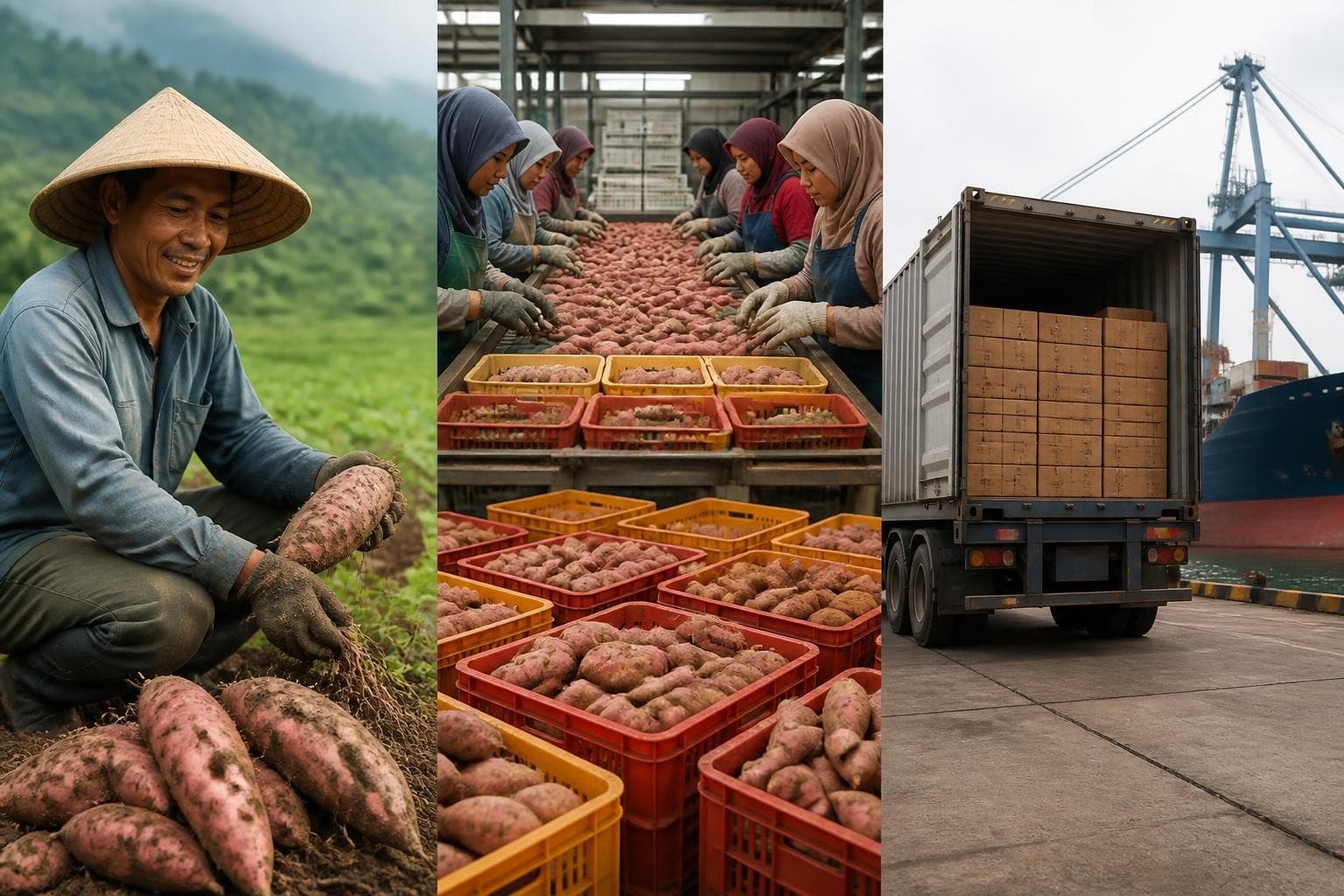
Wholesale Sweet Potatoes Indonesia: B2B Export Guide 2026
Source premium wholesale sweet potatoes Indonesia for import. Quality standards, export logistics, varieties, pricing & supplier partnerships.
Read article
Sweet Potatoes Supplier Indonesia: Quality & Export Guide
Find reliable sweet potatoes supplier Indonesia offering premium export quality. Learn about sourcing, grading, logistics, and partnerships.
Read article