
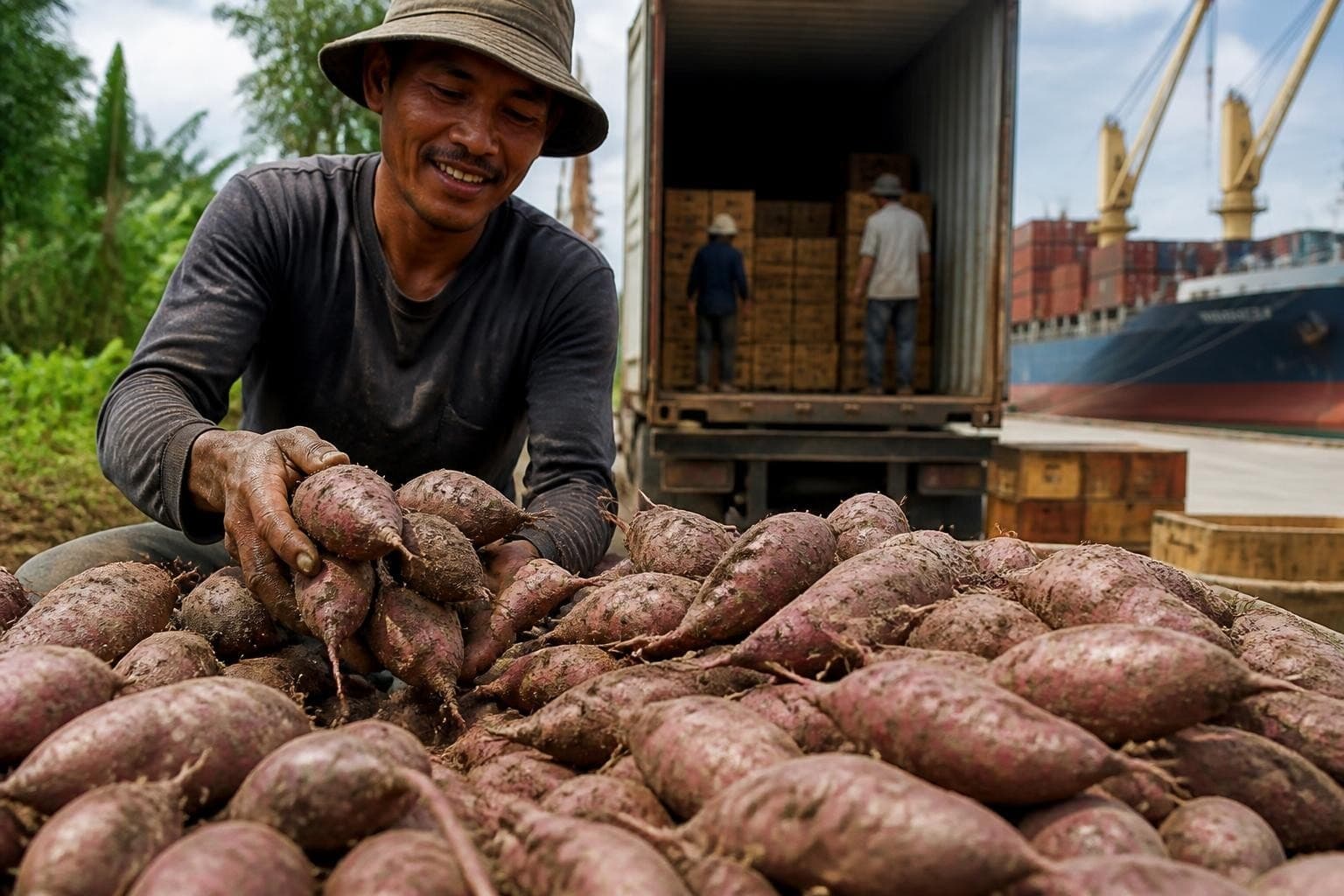
Murasaki Yam : Premium Sweet Potato for Export Markets
Discover murasaki yam, a premium Japanese sweet potato variety prized for exceptional flavor, texture, and nutritional value in global markets.
The murasaki yam represents one of the most sought-after sweet potato varieties in international markets, combining exceptional culinary qualities with robust nutritional benefits. Known for its distinctive purple skin and creamy white to pale yellow flesh, this Japanese-origin variety has gained significant traction among importers, distributors, and retailers seeking premium produce. For export businesses specializing in sweet potatoes, understanding the unique characteristics and market demand for murasaki yam is essential for building successful international partnerships and meeting the evolving needs of global consumers.
What Makes Murasaki Yam Different from Standard Sweet Potatoes
The murasaki yam stands apart from conventional sweet potato varieties through its remarkable texture and flavor profile. This variety delivers exceptional tenderness that elevates culinary applications, making it particularly valuable for high-end restaurants and specialty food retailers.
Unlike orange-fleshed sweet potatoes, the murasaki variety offers a subtle sweetness balanced with nutty undertones. The flesh maintains a creamy, smooth consistency when cooked, avoiding the sometimes fibrous texture found in other varieties. This makes it versatile for both traditional and modern recipes across different cultural cuisines.
Physical Characteristics and Identification
Key identifying features help distinguish authentic murasaki yam in international shipments:
- Skin color: Deep purple to reddish-purple exterior
- Flesh color: Pale yellow to white interior
- Shape: Elongated with slightly tapered ends
- Size: Medium to large, typically 200-400 grams per tuber
- Texture: Smooth skin with minimal blemishes when properly grown
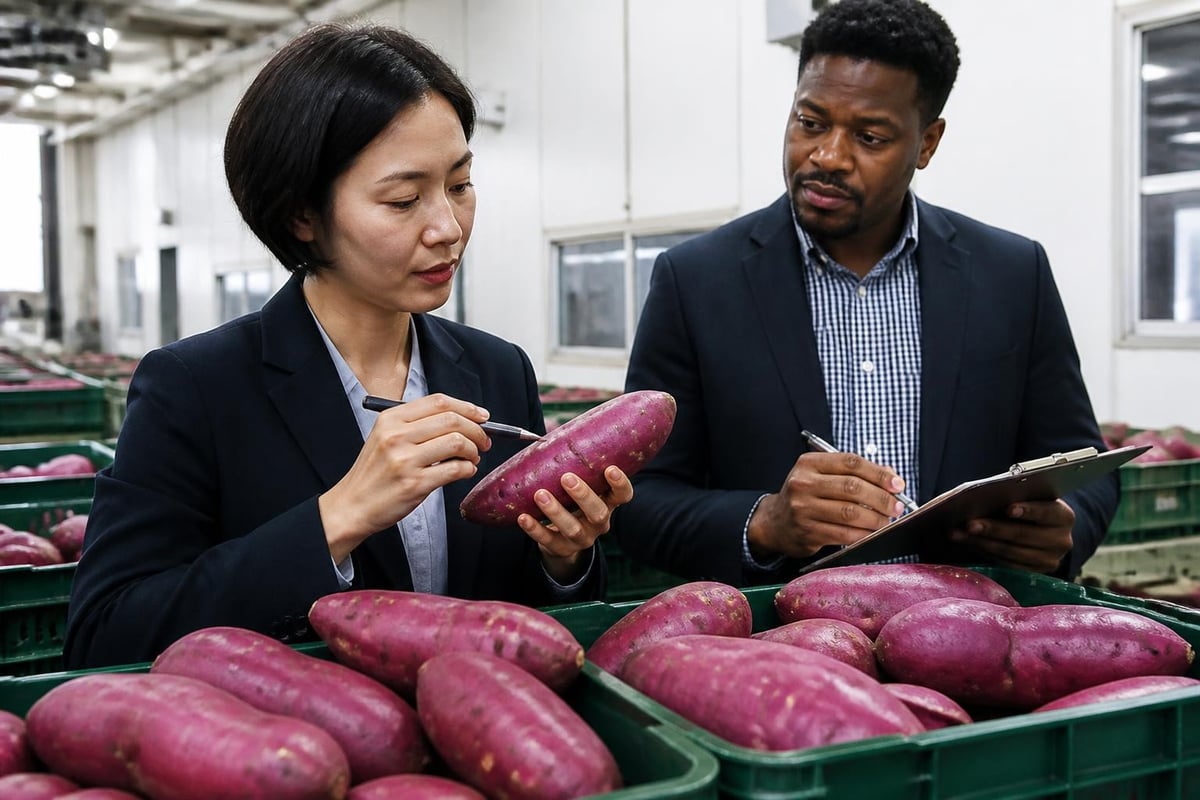
These physical traits serve as important quality indicators for export verification and buyer confidence. Consistent appearance signals proper cultivation practices and careful post-harvest handling.
Nutritional Profile and Health Benefits
The nutritional composition of murasaki yam positions it as a functional food ingredient with significant health applications. According to research on bioactive properties and health benefits of yams, these tubers contain compounds that support various aspects of human wellness and disease prevention.
Vitamin and Mineral Content
Murasaki yam provides substantial amounts of essential micronutrients per 100-gram serving:
| Nutrient | Amount | % Daily Value |
|---|---|---|
| Vitamin C | 17mg | 19% |
| Vitamin B6 | 0.3mg | 15% |
| Potassium | 670mg | 14% |
| Manganese | 0.4mg | 17% |
| Fiber | 3.9g | 14% |
The vitamin C content supports immune function and collagen synthesis, while B vitamins aid energy metabolism. Potassium helps regulate blood pressure, making murasaki yam particularly attractive to health-conscious consumers in developed markets.
Functional Food Applications
Beyond basic nutrition, murasaki yam contains bioactive compounds that offer specific health advantages. The variety includes resistant starch, which functions as a prebiotic to support gut health. This characteristic appeals to the growing functional food sector focused on digestive wellness.
Research indicates that yams may help relieve menopause symptoms and support healthy cholesterol levels, creating opportunities in specialty health food markets. These properties differentiate murasaki yam from commodity produce, justifying premium pricing for export products.
Cultivation Requirements for Export-Quality Production
Producing murasaki yam that meets international export standards requires specific agricultural practices and environmental conditions. Understanding these requirements helps exporters work effectively with grower partnerships and maintain consistent supply chains.
Optimal Growing Conditions
The murasaki variety thrives in tropical and subtropical climates, making Indonesian growing regions particularly well-suited for production. Temperature ranges between 24-28°C promote ideal tuber development, while well-drained, sandy loam soils prevent rot and support healthy root systems.
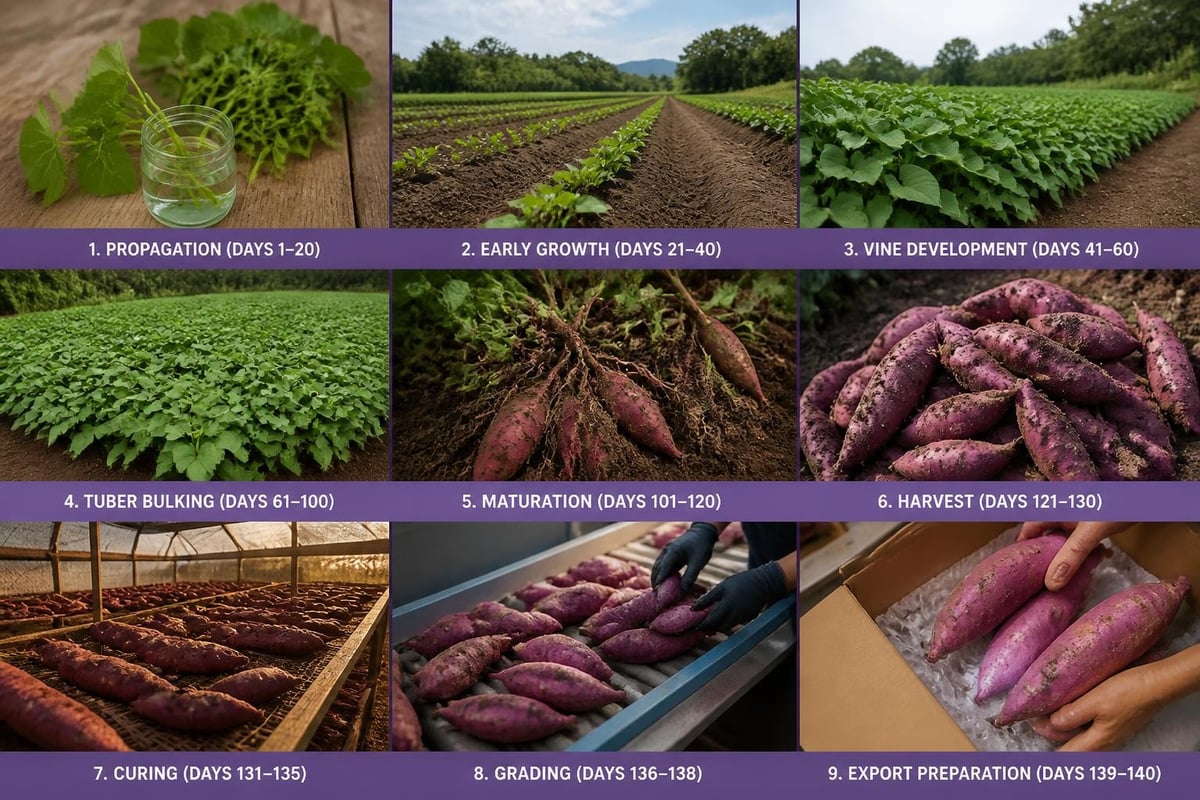
Successful cultivation of Murasaki sweet potatoes depends on proper propagation techniques and careful field management. Growers typically use vine cuttings rather than seed, ensuring genetic consistency across crops. This vegetative propagation method maintains the specific characteristics buyers expect from the murasaki variety.
Critical Production Factors:
- Soil preparation: pH 5.5-6.5, organic matter incorporation, proper drainage
- Planting density: 30-40cm between plants, 75-90cm row spacing
- Water management: Consistent moisture during establishment, reduced irrigation before harvest
- Nutrient application: Balanced NPK with emphasis on potassium for tuber development
- Pest monitoring: Regular scouting for weevils, wireworms, and fungal diseases
Harvest Timing and Maturation
Murasaki varieties typically require 120-140 days from planting to harvest maturity. Timing significantly impacts final quality, with premature harvesting reducing sugar development and storage potential. Experienced growers monitor vine senescence and conduct test harvests to determine optimal harvest windows.
Post-harvest curing at 28-30°C with 85-90% humidity for 7-10 days heals minor skin damage and enhances storage life. This step proves critical for export shipments requiring extended transport times to international destinations.
Market Demand and Export Opportunities
Global demand for murasaki yam continues expanding as consumers seek diverse, nutritious produce options. Several market segments drive this growth, each with distinct requirements and purchasing patterns.
Primary Market Segments
Asian Diaspora Communities
Japanese, Korean, and broader Asian populations in North America, Europe, and Australia actively seek authentic murasaki yam for traditional recipes. These communities recognize quality differences and willingly pay premium prices for properly grown varieties. Retailers serving these demographics prioritize suppliers with consistent availability and verified authenticity.
Health-Conscious Consumers
The clean eating movement and interest in functional foods create opportunities beyond ethnic markets. Murasaki yam appeals to consumers seeking nutrient-dense carbohydrate sources with lower glycemic impact than standard potatoes. Marketing emphasizing nutritional benefits and vitamin content resonates strongly with this segment.
Premium Restaurant Trade
High-end restaurants value murasaki yam for its superior texture and presentation qualities. Chefs appreciate the variety's ability to hold shape when roasted, puree smoothly, and provide consistent results. This segment often establishes direct relationships with suppliers to secure reliable access.
Geographic Market Analysis
| Region | Market Maturity | Key Buyers | Price Sensitivity |
|---|---|---|---|
| Japan | Established | Retail chains, processors | Medium |
| South Korea | Growing | Specialty stores, restaurants | Low |
| United States | Emerging | Ethnic markets, health stores | Medium-High |
| European Union | Early Stage | Specialty importers | Low |
| Australia | Growing | Asian grocers, fine dining | Medium |
Understanding regional preferences helps exporters target appropriate markets and develop tailored marketing approaches. Established markets offer volume potential, while emerging markets may provide better margins with less competition.
Quality Standards and Export Compliance
Meeting international quality standards separates successful exporters from competitors in the murasaki yam trade. Buyers expect consistent grading, proper packaging, and full regulatory compliance for cross-border shipments.
Grading Specifications
Export-grade murasaki yam must meet strict criteria:
- Size uniformity: Within 20% weight variation per carton
- Skin integrity: No cuts, cracks, or mechanical damage exceeding 1cm
- Color consistency: Uniform purple exterior without green shoulders
- Firmness: No soft spots or sprouting
- Cleanliness: Free from soil, debris, and residue
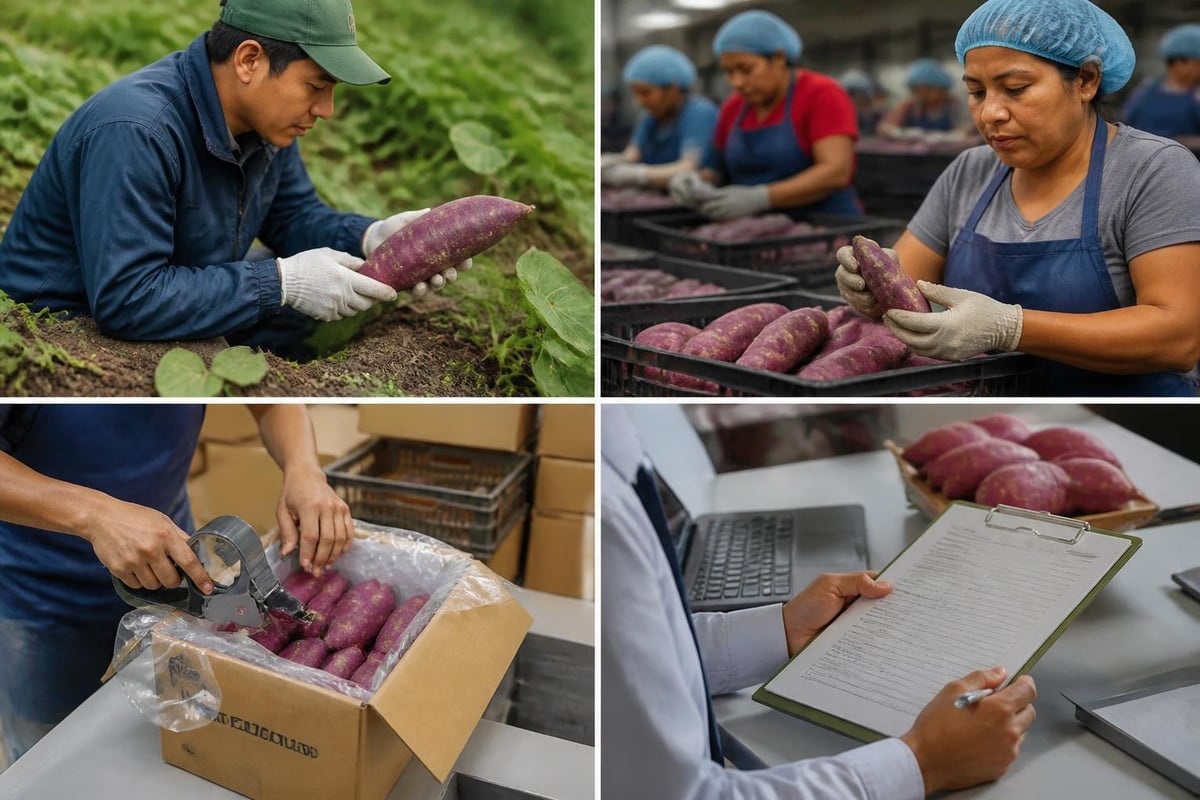
Implementing systematic grading processes at packing facilities ensures compliance and reduces rejection rates. Many importers specify exact requirements in purchase contracts, making adherence non-negotiable for maintaining business relationships.
Phytosanitary and Food Safety Requirements
Export shipments require phytosanitary certificates confirming freedom from quarantine pests and diseases. Indonesian exporters must comply with destination country regulations, which often mandate:
- Inspection by authorized agricultural officials
- Treatment protocols for specific pest risks
- Traceability documentation linking shipments to origin farms
- Residue testing for pesticides and contaminants
- Proper cold chain management during transport
Working with experienced logistics partners familiar with sweet potato export requirements minimizes delays and compliance issues. Establishing relationships with reliable certification bodies streamlines the documentation process for regular shipments.
Storage and Transportation Best Practices
Maintaining murasaki yam quality from harvest through final delivery requires careful attention to storage conditions and handling protocols. The variety's premium positioning demands excellence throughout the supply chain.
Optimal Storage Conditions
Properly cured murasaki yam stores well under controlled conditions:
Temperature: 13-15°C prevents chilling injury while inhibiting sprouting Humidity: 85-90% relative humidity maintains turgidity without promoting rot Ventilation: Adequate air circulation prevents CO2 buildup and moisture accumulation Duration: Up to 6 months under ideal conditions, though 3-4 months typical for export quality
Storage facilities should include monitoring systems tracking temperature and humidity continuously. Even brief exposure to temperatures below 10°C can cause internal discoloration and textural degradation, severely impacting market value.
Transportation Protocols
Ocean freight dominates murasaki yam exports due to cost considerations and volume requirements. Refrigerated containers (reefers) set at 13-15°C protect cargo during typical 2-4 week transit times to major markets.
Container Loading Best Practices:
- Proper pallet stacking allows air circulation
- Carton orientation prevents crushing bottom layers
- Avoid loading with high-ethylene produce
- Include data loggers monitoring temperature throughout transit
- Secure cargo against shifting in rough seas
Air freight serves time-sensitive orders or initial trial shipments where premium pricing justifies higher transportation costs. This option suits small-volume orders to new customers testing product quality before committing to container quantities.
Culinary Applications and Consumer Education
Educating international buyers and end consumers about murasaki yam preparation expands market potential and encourages repeat purchases. Many Western consumers lack familiarity with this variety, creating opportunities through information sharing.
Preparation Methods and Recipe Ideas
Murasaki yam's versatility supports numerous cooking techniques:
Roasting: Brings out natural sweetness and creates caramelized exterior Steaming: Preserves nutrients and showcases creamy texture Pureeing: Produces smooth, velvety consistency for soups and sides Frying: Crispy exterior contrasts with tender interior
Japanese cuisine traditionally features murasaki in both sweet and savory applications. The variety works excellently in tempura, as filling for sweet buns, or simply steamed and served with butter. Modern fusion cuisine incorporates it into gnocchi, gratins, and innovative desserts.
Marketing and Point-of-Sale Materials
Importers and retailers benefit from educational materials explaining murasaki yam characteristics and preparation. Recipe cards, nutritional information displays, and cooking demonstration videos help convert curious shoppers into buyers.
The PT Cakra Baja Niaga blog provides resources helping business partners understand sweet potato varieties and market trends. Supporting buyers with marketing materials strengthens relationships and promotes product movement through retail channels.
Building Sustainable Export Partnerships
Long-term success in murasaki yam exports depends on creating reliable partnerships between growers, exporters, and international buyers. Transparency and consistent quality form the foundation of these relationships.
Grower Network Development
Exporters working directly with dedicated grower networks maintain better quality control than sourcing through multiple intermediaries. Partnership models might include:
- Contract farming: Advance agreements specifying varieties, quantities, and prices
- Technical assistance: Providing cultivation guidance and input support
- Quality incentives: Premium payments for superior grades
- Multi-year commitments: Stability allowing growers to invest in improved practices
West Java's agricultural regions offer ideal conditions for murasaki cultivation, with established farming communities capable of meeting international standards. Developing these partnerships requires initial investment but generates competitive advantages through supply reliability and quality consistency.
Buyer Relationship Management
International buyers value suppliers who understand their specific needs and market conditions. Successful exporters differentiate themselves through:
Consistent communication: Regular updates on crop status, availability, and market conditions Flexibility: Adapting to changing order requirements when possible Problem resolution: Addressing quality issues promptly and fairly Market intelligence: Sharing insights about trends, competitors, and opportunities Value-added services: Custom packaging, labeling, or quality documentation
Building trust takes time but creates competitive moats protecting against price-based competition. Buyers who receive excellent service remain loyal even when alternative suppliers offer marginally lower prices.
Processing and Value-Added Opportunities
Beyond fresh export, murasaki yam offers potential for value-added processing that captures higher margins and extends market reach. Several processed formats show commercial viability.
Frozen Products
IQF (individually quick frozen) murasaki pieces or pre-formed products serve foodservice customers seeking convenience. Frozen formats extend shelf life, reduce waste, and simplify logistics. Applications include:
- Pre-cut cubes for institutional kitchens
- Formed patties or croquettes ready for cooking
- Pureed products for baby food or ingredient use
Processing facilities must maintain strict quality standards and implement HACCP protocols to meet international food safety requirements for frozen exports.
Dried and Shelf-Stable Formats
Dehydrated murasaki creates shelf-stable products with extended market reach. Murasaki-imo chips exemplify successful processed products highlighting nutritional benefits while offering convenient snacking options. Dried formats include:
- Sliced chips for direct consumption
- Flour for baking applications
- Freeze-dried pieces for ingredient use
- Crispy vegetable snacks targeting health-conscious consumers
Investment in processing infrastructure requires careful market analysis but can significantly increase revenue per ton of raw product.
Murasaki yam presents compelling opportunities for exporters who understand quality requirements and market dynamics in this premium segment. Success requires excellence across cultivation, post-harvest handling, logistics, and customer service to meet discriminating international buyers' expectations. For businesses seeking a reliable partner for premium sweet potato exports, PT Cakra Baja Niaga connects international importers, distributors, and retailers with consistently high-quality murasaki yam and other sweet potato varieties sourced from partner farms in West Java, backed by transparent supply chains and commitment to customer success.
Looking to source premium Indonesian sweet potatoes?
PT Cakra Baja Niaga supplies export-grade Cilembu, Purple, and Murasaki varieties to buyers worldwide.
Continue reading

Sweet Potatoes Import Singapore Market Report
Explore Singapore’s sweet potato imports, leading suppliers, SFA requirements, pricing factors, and sourcing opportunities for Indonesian exporters.
Read article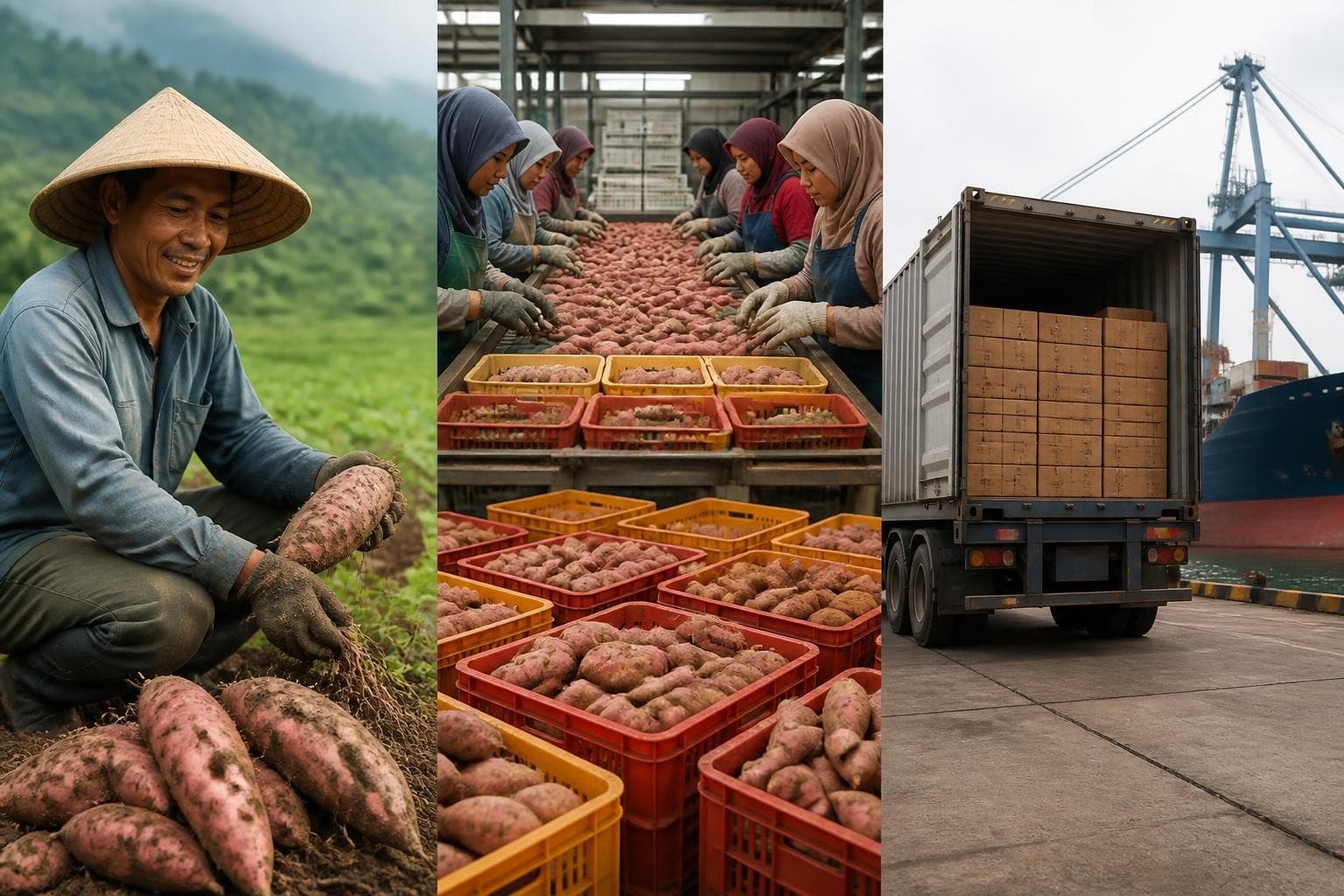
Wholesale Sweet Potatoes Indonesia: B2B Export Guide 2026
Source premium wholesale sweet potatoes Indonesia for import. Quality standards, export logistics, varieties, pricing & supplier partnerships.
Read article
Sweet Potatoes Supplier Indonesia: Quality & Export Guide
Find reliable sweet potatoes supplier Indonesia offering premium export quality. Learn about sourcing, grading, logistics, and partnerships.
Read article