
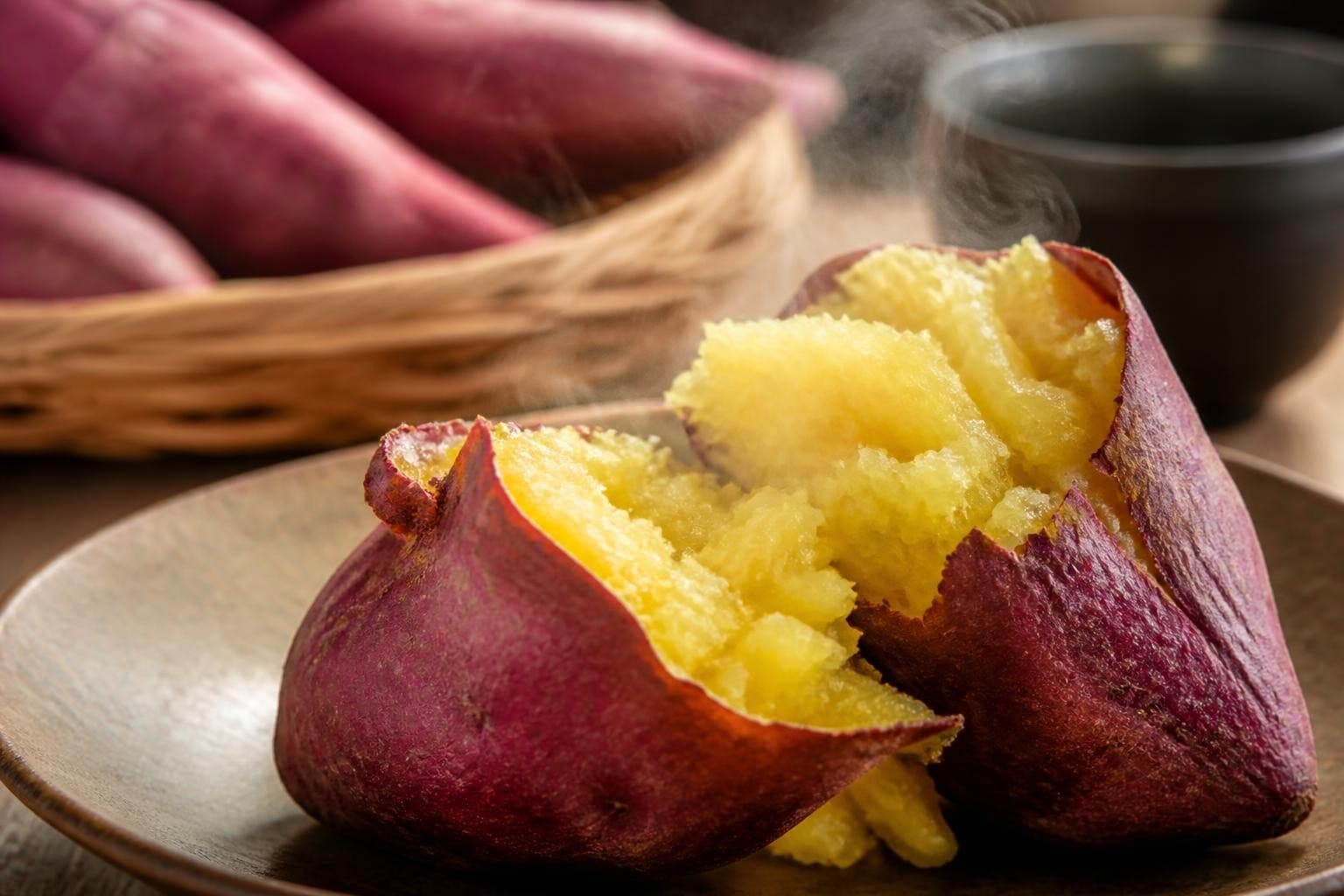
Discover the unique japanese sweet potato taste profile, from its nutty sweetness to creamy texture. Essential guide for importers and retailers.
The japanese sweet potato taste has captured the attention of food professionals, retailers, and consumers worldwide. This distinct variety, known for its purple skin and cream-colored flesh, delivers a flavor experience that sets it apart from conventional orange sweet potatoes. Understanding these taste characteristics is essential for importers, distributors, and retailers who want to educate their customers and position this premium product effectively in international markets. The japanese sweet potato offers a sophisticated flavor profile that appeals to discerning consumers seeking both nutrition and culinary excellence.
Understanding the Foundational Flavor Profile
The japanese sweet potato taste begins with a naturally sweet foundation, but the sweetness differs markedly from standard sweet potato varieties. When raw, the flesh maintains a subtle sweetness with starchy undertones. Once cooked, the transformation reveals the true character of this variety.
Natural Sweetness Development
The sweetness in Japanese sweet potatoes develops through enzymatic conversion of starches to sugars during the cooking process. This biological transformation creates a complex sugar profile that tastes less cloying than orange sweet potatoes. The flavor characteristics of Japanese sweet potatoes include notes of honey, vanilla, and caramel without overwhelming intensity.
- Balanced sugar content that enhances without dominating
- Gradual sweetness release as you chew
- Clean finish without artificial aftertaste
- Natural caramel notes when roasted or baked
Professional buyers recognize that this measured sweetness appeals to health-conscious consumers who want nutritious options without excessive sugar content. The japanese sweet potato taste profile supports versatile menu applications, from savory dishes to desserts.
Textural Components of Taste
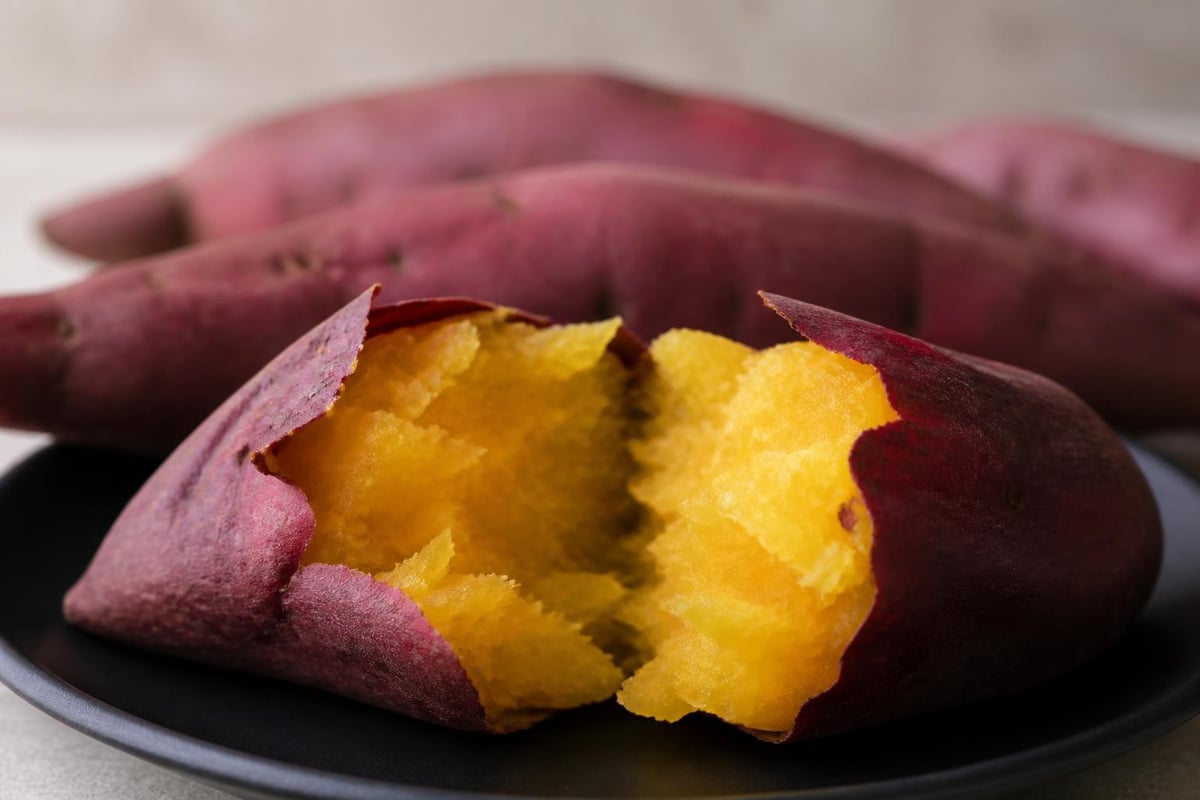
Texture significantly influences how we perceive the japanese sweet potato taste. The flesh contains less moisture than orange varieties, creating a denser, drier consistency when cooked. This textural quality affects flavor perception and overall eating experience.
| Cooking Method | Texture Result | Taste Impact |
|---|---|---|
| Baking | Fluffy, dry interior | Concentrated sweetness, nutty depth |
| Steaming | Creamy, smooth | Subtle sweetness, cleaner taste |
| Roasting | Caramelized edges, soft center | Enhanced sweetness, complex notes |
| Frying | Crispy exterior, creamy interior | Balanced sweet-savory profile |
The creamy texture when properly cooked contributes to a luxurious mouthfeel that complements the taste. This combination of texture and flavor explains why Japanese sweet potatoes command premium pricing in international markets.
Distinctive Taste Characteristics That Define Quality
Several specific taste notes distinguish high-quality Japanese sweet potatoes from other varieties. These characteristics become particularly important for importers working with premium sweet potato suppliers who maintain consistent quality standards.
Nutty and Chestnut-Like Notes
Perhaps the most distinctive element of the japanese sweet potato taste is its pronounced nutty quality. Many consumers and chefs describe the flavor as reminiscent of roasted chestnuts, with earthy undertones that add sophistication to the overall profile.
This nuttiness intensifies with dry-heat cooking methods like roasting or baking. The Maillard reaction between amino acids and reducing sugars creates these complex flavor compounds. When sourcing Japanese sweet potatoes for retail or food service, this characteristic serves as a quality indicator. Premium specimens exhibit strong nutty notes when properly prepared.
Earthy and Mineral Undertones
Beyond sweetness and nuttiness, the japanese sweet potato taste includes subtle earthy notes that ground the flavor profile. These mineral undertones reflect the soil composition and growing conditions where the potatoes were cultivated.
West Java's volcanic soil, for instance, imparts specific mineral characteristics that enhance the overall taste complexity. Importers who understand these terroir-influenced flavors can better communicate value propositions to their customers. The nutritional density of Japanese sweet potatoes correlates with these mineral notes, indicating nutrient-rich growing conditions.
How Preparation Methods Transform Taste
The japanese sweet potato taste varies significantly based on preparation technique. Each cooking method unlocks different aspects of the flavor profile, offering versatility for food service operations and home consumers.
Roasting for Maximum Flavor
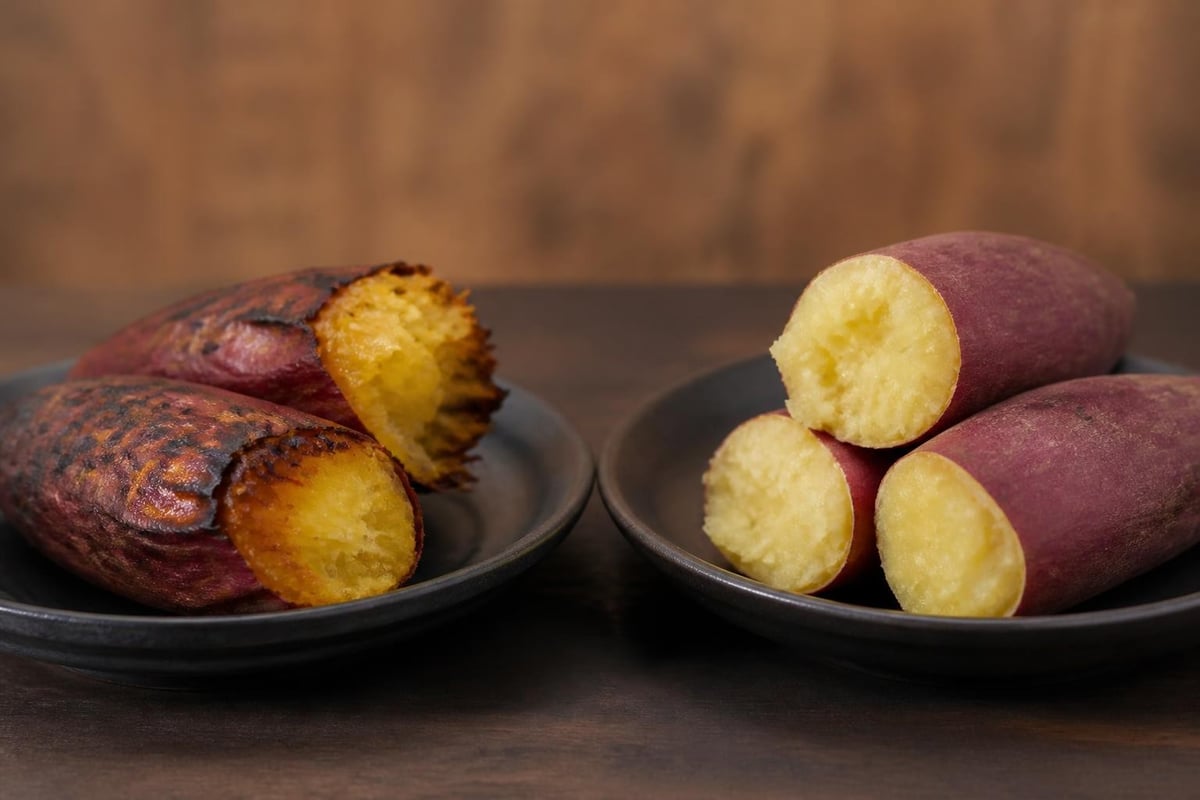
Roasting at high temperatures (400-425°F) for 45-60 minutes produces the most concentrated japanese sweet potato taste. The dry heat evaporates moisture, intensifying natural sugars and developing deep caramelization on the exterior.
Key taste developments during roasting:
- Surface caramelization creates complex sweet notes
- Interior concentration amplifies natural flavors
- Nutty characteristics become more pronounced
- Texture transforms to fluffy and creamy simultaneously
Professional chefs prefer roasting when the japanese sweet potato serves as a featured ingredient. This method showcases the variety's premium qualities most effectively.
Steaming for Pure Flavor Expression
Steaming preserves the most authentic japanese sweet potato taste without adding complexity from caramelization. This gentle cooking method reveals the pure, unadulterated flavor profile.
The result is a cleaner sweetness with prominent chestnut notes and a smooth, creamy texture. For retail customers seeking to understand the baseline flavor, steaming provides the truest representation. The distinct characteristics that define Japanese sweet potatoes remain most evident when prepared this way.
Comparing Japanese Sweet Potato Taste to Other Varieties
Understanding how the japanese sweet potato taste differs from alternative varieties helps importers and retailers position products strategically. These distinctions influence purchasing decisions and menu planning across food service operations.
Japanese vs. Orange Sweet Potatoes
The contrast between Japanese and orange sweet potatoes represents the most common comparison point in international markets. While both belong to the same species, their taste profiles diverge significantly.
| Characteristic | Japanese Sweet Potato | Orange Sweet Potato |
|---|---|---|
| Sweetness Level | Moderate, balanced | Very sweet, pronounced |
| Moisture Content | Lower, drier | Higher, wetter |
| Dominant Notes | Nutty, chestnut-like | Sugary, pumpkin-like |
| Texture | Dense, creamy | Soft, moist |
| Aftertaste | Clean, subtle | Sweet, lingering |
The japanese sweet potato taste appeals to consumers who find orange varieties excessively sweet. This market segment increasingly values balanced flavors and lower glycemic impact. The comparison between Japanese and regular sweet potatoes highlights these nutritional and flavor differences comprehensively.
Regional Variety Distinctions
Within the Japanese sweet potato category, multiple cultivars exist with subtle taste variations. Understanding these nuances benefits buyers who want to offer differentiated products.
Popular Japanese varieties and their taste profiles:
- Beniharuka: Sweeter than average, honeyed notes
- Silk Sweet: Ultra-creamy texture, mild sweetness
- Narutokintoki: Dry texture, strong chestnut flavor
- Beniazuma: Balanced sweetness, traditional profile
Importers working with farms in regions like West Java should specify variety preferences based on target market tastes. Each cultivar offers distinct advantages for different culinary applications and consumer preferences.
Seasonal and Storage Impact on Taste
The japanese sweet potato taste evolves based on harvest timing and post-harvest storage conditions. These factors significantly influence quality and flavor intensity upon arrival in international markets.
Harvest Season Flavor Variations
Freshly harvested Japanese sweet potatoes exhibit a more starchy, less sweet flavor profile. The true japanese sweet potato taste emerges after a curing period of 1-2 weeks post-harvest. During this time, enzymes continue converting starches to sugars, enhancing sweetness and developing characteristic nutty notes.
Optimal harvest and curing timeline:
- Harvest when soil temperature drops (September-November in Indonesia)
- Cure at 80-85°F with high humidity for 10-14 days
- Store at 55-60°F for continued flavor development
- Peak flavor achieved 3-4 weeks post-harvest
Professional buyers should coordinate with suppliers to ensure proper curing before shipment. This attention to post-harvest handling preserves the premium japanese sweet potato taste that commands higher prices.
Long-Term Storage Effects
Japanese sweet potatoes stored under ideal conditions develop increasingly complex flavors over several months. Unlike many fresh produce items that deteriorate with storage, these tubers actually improve in taste quality when properly handled.
The starches continue converting to sugars even in cool storage, creating a sweeter, more nuanced flavor profile. However, storage beyond 4-5 months can lead to sprout development and flavor degradation. Importers should balance inventory turnover with flavor optimization to deliver peak-quality products to retailers and food service clients.
Culinary Applications That Highlight Taste
The versatile japanese sweet potato taste supports numerous culinary applications across different cuisine types. Understanding these uses helps retailers guide customers and expand market opportunities.
Sweet Applications
Despite moderate sweetness, Japanese sweet potatoes excel in dessert applications where their nutty complexity adds sophistication. The taste profile complements rather than competes with added sweeteners and flavorings.
Popular dessert uses:
- Japanese sweet potato pie with chestnut cream
- Daigaku-imo (candied sweet potato) with sesame
- Sweet potato Mont Blanc desserts
- Ice cream and smoothie bases
- Natural sweetener in baked goods
The japanese sweet potato taste provides natural sweetness while contributing unique flavor dimensions. This dual functionality reduces added sugar requirements, appealing to health-conscious consumers.
Savory Integration
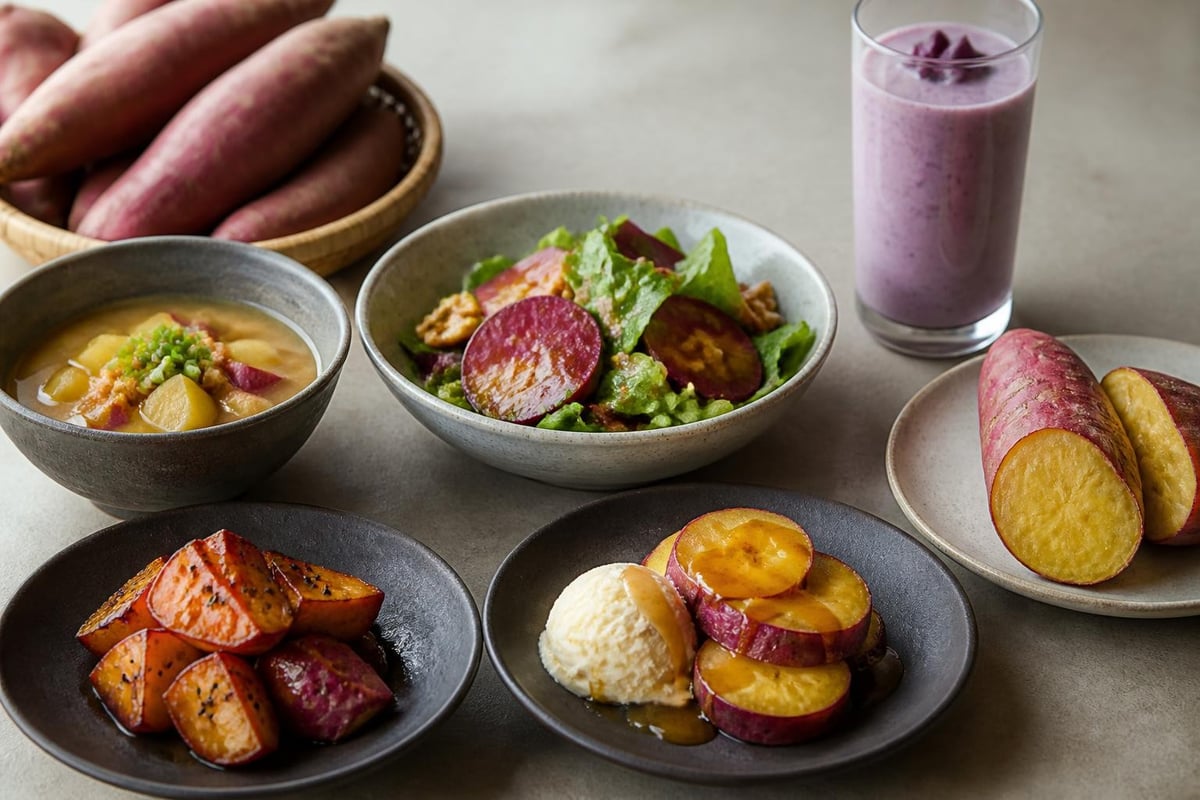
The balanced, not-too-sweet japanese sweet potato taste integrates seamlessly into savory dishes. This versatility distinguishes it from orange varieties that can taste out of place in non-dessert applications.
Chefs incorporate Japanese sweet potatoes in:
- Salads where nutty notes complement greens and grains
- Soups providing creamy texture without excessive sweetness
- Side dishes paired with proteins and vegetables
- Grain bowls adding substantial nutrition and flavor
- Curries where subtle sweetness balances spices
The various Japanese sweet potato varieties each offer slightly different advantages for these applications, allowing chefs to select optimal cultivars for specific dishes.
Quality Indicators for Optimal Taste
Recognizing quality indicators ensures importers and retailers receive Japanese sweet potatoes with the best possible taste profile. These visual and tactile cues correlate with flavor excellence.
External Quality Markers
The skin appearance provides initial quality assessment for the japanese sweet potato taste potential. Premium specimens display:
- Deep purple skin without discoloration or brown spots
- Firm texture with minimal give when pressed
- Clean surface free from cuts, bruises, or soft areas
- Uniform shape indicating consistent growing conditions
- Appropriate size (medium specimens often taste best)
These external indicators don't guarantee perfect flavor, but they strongly correlate with proper cultivation and handling practices that preserve taste quality.
Internal Quality Assessment
When cut, high-quality Japanese sweet potatoes reveal characteristics that predict superior taste:
| Quality Factor | Premium Indicator | Inferior Indicator |
|---|---|---|
| Flesh Color | Creamy white to pale yellow | Gray, brown, or discolored |
| Moisture Level | Moderately dry, not wet | Excessively wet or dried out |
| Texture | Dense, uniform | Stringy, fibrous, or hollow |
| Starch Content | High concentration | Watery, low starch |
These internal qualities directly impact the final japanese sweet potato taste after cooking. Suppliers who implement rigorous quality control deliver consistent flavor experiences that build customer loyalty.
Nutritional Components That Influence Taste Perception
The japanese sweet potato taste connects directly to its nutritional composition. Understanding these relationships helps retailers communicate value beyond basic flavor descriptions.
Complex Carbohydrates and Sweetness
Japanese sweet potatoes contain primarily complex carbohydrates that break down gradually during cooking. This composition creates the characteristic delayed sweetness and sustained energy release that differentiates them from simple-sugar-heavy foods.
The moderate glycemic index contributes to the balanced japanese sweet potato taste that doesn't cause sugar overload. Health-conscious consumers increasingly seek this nutritional profile, creating market opportunities for informed retailers.
Fiber Content and Mouthfeel
Dietary fiber affects both nutrition and taste perception. The japanese sweet potato contains significant fiber that contributes to the dense, satisfying texture consumers experience. This fiber creates a fuller mouthfeel that enhances perceived quality and value.
Retailers can leverage the complete nutritional benefits alongside taste descriptions to appeal to wellness-focused market segments. The combination of superior nutrition and exceptional flavor creates compelling marketing narratives.
Market Positioning Based on Taste Profile
The unique japanese sweet potato taste creates specific market positioning opportunities for importers and retailers. Strategic communication about flavor characteristics drives premium pricing and customer loyalty.
Target Consumer Segments
Different consumer groups respond to various aspects of the japanese sweet potato taste profile:
Health-conscious consumers appreciate moderate sweetness and nutritional density. Marketing should emphasize balanced flavor that satisfies without excessive sugar.
Culinary enthusiasts value the nutty, complex notes that differentiate Japanese varieties. Detailed flavor descriptions and preparation techniques resonate with this audience.
Ethnic food buyers seek authentic Japanese ingredients for traditional recipes. Emphasizing variety-specific characteristics and origin stories builds credibility.
Premium grocery shoppers associate unique flavors with quality and status. Highlighting the sophisticated taste profile justifies premium pricing strategies.
Educational Marketing Strategies
Most consumers lack familiarity with the japanese sweet potato taste, creating education opportunities. Retailers who invest in customer education build competitive advantages through informed purchasing decisions.
Effective educational approaches include:
- In-store sampling demonstrating properly prepared products
- Recipe cards highlighting taste-optimizing cooking methods
- Staff training enabling knowledgeable customer interactions
- Social media content showcasing culinary applications
- Partnership programs with chefs and food bloggers
These initiatives transform the japanese sweet potato taste from an unknown quality into a sought-after characteristic that drives repeat purchases. For more information on sourcing premium Japanese sweet potatoes, visit the PT Cakra Baja Niaga blog for regular updates on quality standards and market insights.
Storage and Handling to Preserve Taste
Maintaining the optimal japanese sweet potato taste throughout the distribution chain requires attention to storage and handling protocols. Temperature, humidity, and time variables all influence final flavor quality.
Temperature Management
Japanese sweet potatoes remain most stable at 55-60°F (13-15°C), a temperature range that preserves the characteristic taste while preventing sprouting or decay. Temperatures below 50°F trigger cold damage that creates off-flavors and textural degradation.
Critical temperature thresholds:
- Below 50°F: Risk of cold damage and bitter flavors
- 55-60°F: Optimal storage preserving japanese sweet potato taste
- 70-80°F: Accelerated sprouting and sugar conversion
- Above 80°F: Rapid quality deterioration
Importers should specify temperature-controlled shipping and storage to protect the flavor investment represented by premium Japanese sweet potatoes.
Humidity and Ventilation Requirements
Proper humidity levels (85-90%) prevent moisture loss that concentrates flavors unpleasantly while avoiding excess humidity that promotes rot. Air circulation prevents ethylene gas accumulation that accelerates ripening and flavor changes.
Storage facilities should provide consistent environmental control throughout the distribution chain. This infrastructure investment protects the premium japanese sweet potato taste that justifies higher pricing and builds market reputation.
Understanding the japanese sweet potato taste profile enables importers, retailers, and food service operators to communicate effectively with customers and maximize market opportunities. The distinctive nutty sweetness, creamy texture, and versatile culinary applications position this variety as a premium offering in international markets. Whether you're seeking consistent supply for retail operations or exploring new product offerings, PT Cakra Baja Niaga partners directly with West Java farms to deliver Japanese sweet potatoes that meet exacting quality standards, ensuring your customers experience the exceptional taste that defines this premium variety.
Looking to source premium Indonesian sweet potatoes?
PT Cakra Baja Niaga supplies export-grade Cilembu, Purple, and Murasaki varieties to buyers worldwide.
Continue reading

Sweet Potatoes Import Singapore Market Report
Explore Singapore’s sweet potato imports, leading suppliers, SFA requirements, pricing factors, and sourcing opportunities for Indonesian exporters.
Read article
Wholesale Sweet Potatoes Indonesia: B2B Export Guide 2026
Source premium wholesale sweet potatoes Indonesia for import. Quality standards, export logistics, varieties, pricing & supplier partnerships.
Read article
Sweet Potatoes Supplier Indonesia: Quality & Export Guide
Find reliable sweet potatoes supplier Indonesia offering premium export quality. Learn about sourcing, grading, logistics, and partnerships.
Read article