
Japanese Sweet Potato Snacks: Premium Product Guide 2026
Discover Japanese sweet potato snacks for export markets. Product formats, quality standards, sourcing tips, and market insights for distributors.
The global demand for authentic Japanese sweet potato snacks has grown substantially over the past five years, creating significant opportunities for suppliers, distributors, and retailers who understand the quality standards and product specifications required in this specialized market. These snacks represent more than just a trending food category-they reflect consumer preferences for minimally processed, naturally sweet alternatives to conventional snacks, with an emphasis on traditional preparation methods and premium sourcing. For exporters and importers working with sweet potato products, understanding the diverse formats, quality requirements, and consumer expectations in this segment provides a competitive advantage in building sustainable supply relationships.
Understanding the Japanese Sweet Potato Snack Category
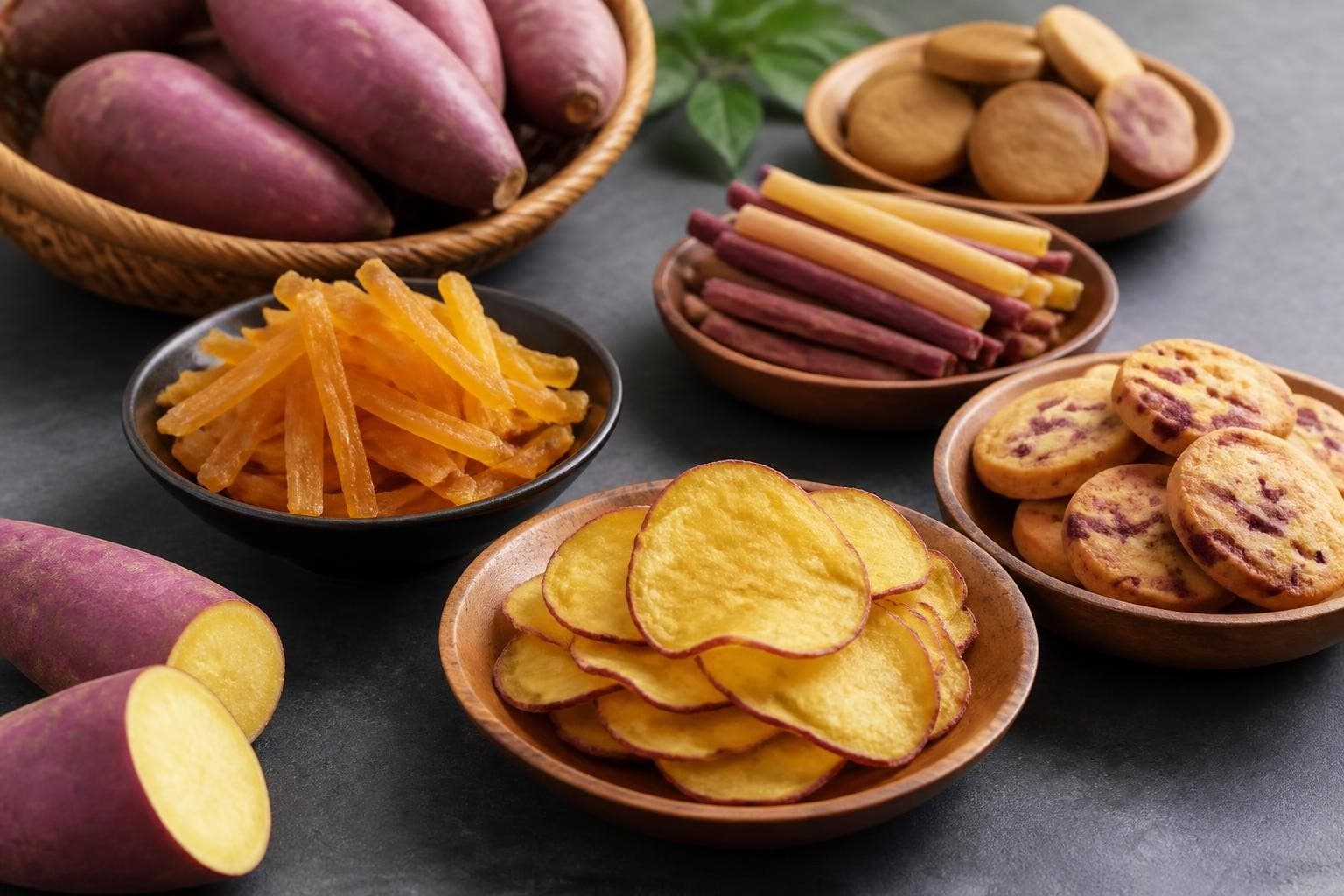
Japanese sweet potato snacks encompass a wide range of product formats, each with distinct processing requirements, shelf-life characteristics, and market positioning. The category includes traditional preparations like hoshi-imo (dried sweet potato), modern innovations such as flavored chips, and fusion products that combine sweet potato with other ingredients.
The foundation of all premium japanese sweet potato snacks begins with varietal selection. Japanese sweet potato varieties, particularly those with deep orange or purple flesh, contain higher natural sugar content and specific starch compositions that influence texture after processing. Suppliers must understand these varietal differences to meet manufacturer specifications.
Primary Product Formats in the Market
Dried sweet potato strips (hoshi-imo) represent the most traditional format, requiring careful humidity control during drying to achieve the desired chewy texture and concentrated sweetness. This format typically commands premium pricing due to labor-intensive production and minimal processing.
Sweet potato chips offer versatility in thickness, cut style, and seasoning options. Manufacturers may use vacuum-frying techniques to preserve color and reduce oil absorption, or traditional frying methods for different texture profiles. Natural sweet potato chips typically contain only sweet potatoes, oil, and minimal salt.
Biscuit sticks and cookies blend sweet potato into wheat-based products, creating hybrid snacks that appeal to broader consumer segments while maintaining the distinctive sweet potato flavor profile.
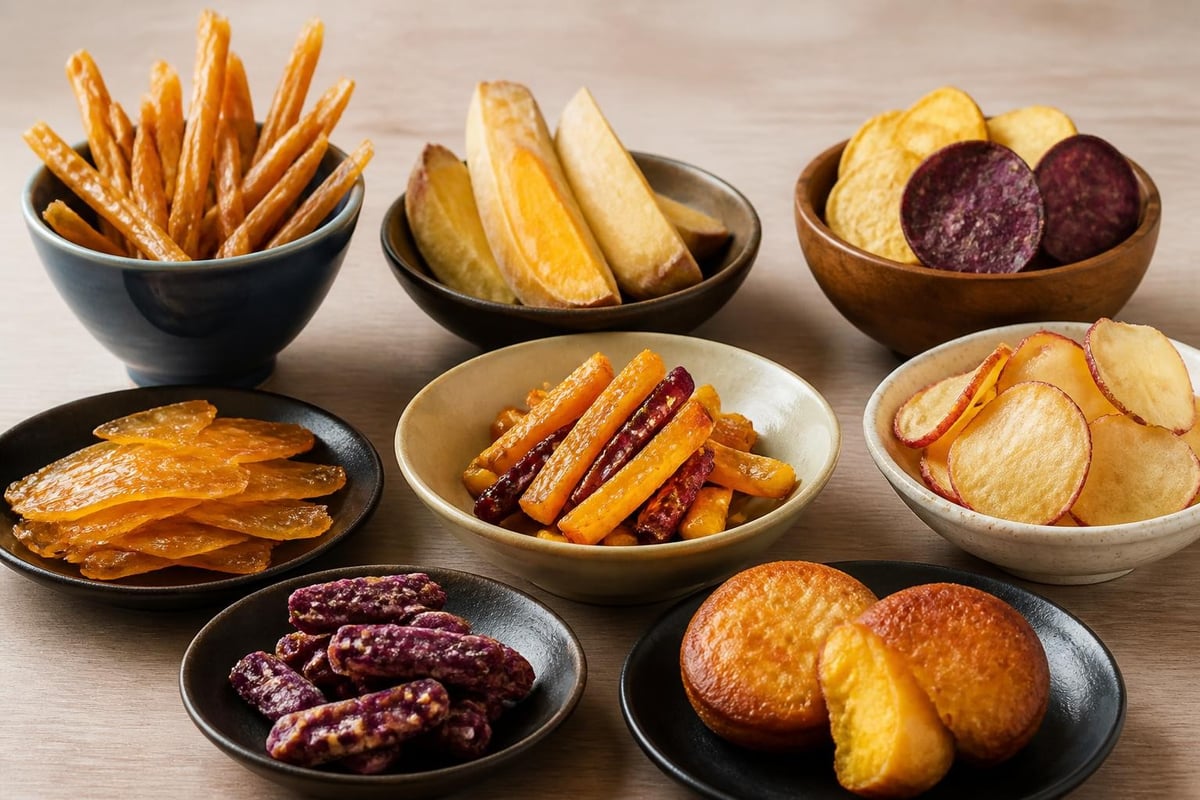
| Product Format | Processing Complexity | Shelf Life | Primary Export Markets |
|---|---|---|---|
| Hoshi-imo (dried strips) | Medium-High | 6-9 months | Japan, Taiwan, USA |
| Vacuum-fried chips | High | 12-18 months | Southeast Asia, USA, Europe |
| Traditional fried chips | Medium | 9-12 months | Global markets |
| Biscuit sticks | High | 12-15 months | Asia-Pacific, North America |
| Sweet potato cookies | High | 12-18 months | Global markets |
Quality Standards and Sourcing Requirements
Premium japanese sweet potato snacks require raw materials that meet stringent quality specifications. Manufacturers typically establish detailed requirements covering solids content, sugar levels, fiber composition, and physical characteristics such as size uniformity and absence of defects.
Moisture content in fresh sweet potatoes directly impacts processing efficiency and final product quality. For chip production, sweet potatoes with 65-70% moisture content provide optimal slicing characteristics and frying performance. Dried snack production may require different moisture specifications depending on the drying method employed.
Critical Quality Parameters for Export
Brix levels (soluble solids content) determine natural sweetness and influence caramelization during processing. Premium varieties typically measure 8-12 degrees Brix at harvest, with levels increasing during proper curing and storage.
Starch composition affects texture development during cooking or drying. Amylose-to-amylopectin ratios influence whether the final product achieves desired crispness, chewiness, or smoothness.
- Consistent sizing for uniform processing
- Absence of internal defects or sprouting
- Proper curing for enhanced sweetness
- Minimal surface blemishes for chip production
- Appropriate dry matter content for specific formats
Suppliers working with manufacturers of dried sweet potato snacks must understand these technical requirements to maintain consistent product quality and build long-term relationships with buyers.
Processing Methods and Their Impact on Product Characteristics
Different processing techniques create distinctive textures, flavors, and nutritional profiles in japanese sweet potato snacks. Understanding these methods helps exporters align their supply capabilities with specific manufacturer needs and market segments.
Traditional Drying Techniques
Sun-drying and controlled-atmosphere drying represent the traditional approach to creating hoshi-imo. This process concentrates natural sugars while developing complex flavors through enzymatic activity during the drying period. The method requires 3-7 days depending on weather conditions and humidity control.
Steaming precedes drying in traditional production, with timing and temperature carefully controlled to gelatinize starches without overcooking. Properly steamed sweet potatoes develop the characteristic translucent appearance and chewy texture consumers expect in premium dried products.
Modern Processing Technologies
Vacuum frying reduces oil absorption and preserves vibrant colors by processing at lower temperatures under reduced pressure. This technique produces lighter, crispier chips with enhanced nutritional retention compared to conventional frying.
Freeze-drying creates extremely light, crispy textures while maintaining color and nutritional content. However, higher processing costs typically position freeze-dried products at premium price points.
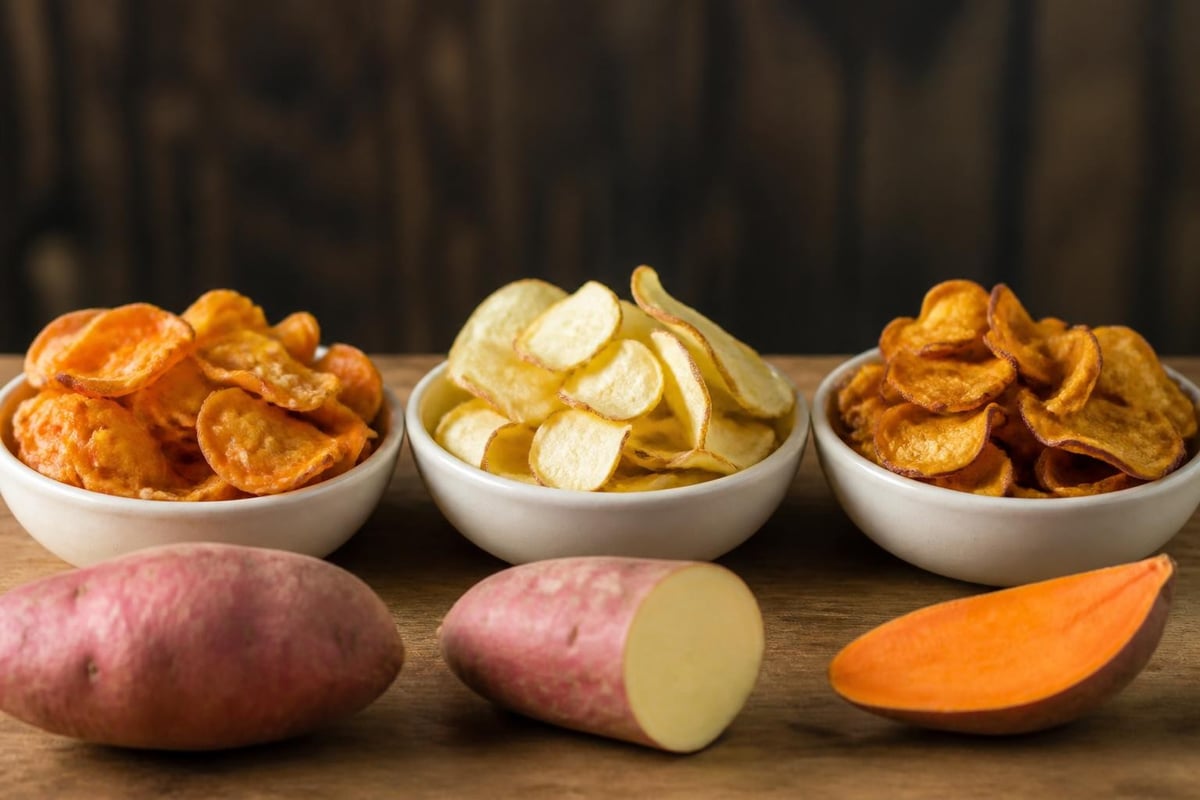
The selection of processing method influences supply specifications. Vacuum-frying operations may require specific size grades and solids content to optimize equipment efficiency, while traditional drying allows greater flexibility in raw material characteristics.
Market Positioning and Consumer Trends
The japanese sweet potato snacks market segments along multiple dimensions including health positioning, price points, traditional versus innovative formats, and regional flavor preferences. Successful suppliers understand these segments to identify the most suitable business partners and market opportunities.
Health-Conscious Consumer Segment
This rapidly growing segment drives demand for minimally processed snacks with clean ingredient lists. Products emphasizing single-ingredient composition or minimal additives appeal to consumers seeking alternatives to conventional potato chips and processed snacks.
Nutritional advantages of sweet potato-based snacks include higher fiber content, vitamin A from beta-carotene, and complex carbohydrates with lower glycemic impact compared to refined grain snacks. Manufacturers positioning products in this segment typically emphasize these nutritional benefits.
Traditional and Premium Segments
Traditional Japanese sweet potato products maintain strong market positions, particularly among consumers seeking authentic cultural food experiences. These products command premium pricing based on traditional production methods, regional sourcing, and artisanal quality.
Premium positioning requires transparent supply chains with traceability to specific growing regions. Japanese consumers particularly value sweet potatoes from recognized production areas with established reputations for quality.
Supply Chain Considerations for Export Markets
Establishing reliable supply for japanese sweet potato snacks manufacturing requires attention to harvest timing, post-harvest handling, storage conditions, and logistics coordination. These factors directly impact product quality and supplier reliability.
Harvest timing coordination ensures manufacturers receive sweet potatoes at optimal maturity and sugar development. Early-season harvests may offer price advantages but potentially lower solids content, while late-season supplies provide enhanced sweetness after field curing.
Curing and storage protocols significantly influence processing performance. Proper curing at 28-30°C with 85-90% humidity for 5-7 days heals harvest wounds, enhances sweetness through starch conversion, and improves storage stability.
Transportation and Handling Requirements
- Temperature management: Maintain 13-16°C during transport to prevent chilling injury while controlling sprouting and deterioration
- Humidity control: Keep relative humidity at 85-90% to prevent dehydration and maintain processing quality
- Ventilation: Ensure adequate air circulation to prevent condensation and disease development
- Handling protocols: Minimize physical damage through proper packaging and gentle handling procedures
- Documentation: Provide certificates of origin, phytosanitary certificates, and quality analysis reports
Different snack formats impose varying supply chain requirements. Chip manufacturers processing high volumes require consistent year-round supply, while traditional dried snack producers may work with seasonal production schedules aligned with peak quality periods.
Product Innovation and Flavor Development
The japanese sweet potato snacks category continues evolving through ingredient innovations, flavor combinations, and format experimentation. Understanding these trends helps suppliers identify emerging opportunities and position their capabilities strategically.
Fusion Flavor Profiles
Modern manufacturers increasingly combine sweet potato with complementary flavors to expand consumer appeal. Examples include citrus-infused chips, matcha-sweet potato cookies, and savory seasoning applications that balance natural sweetness with umami notes.
Regional flavor adaptations customize products for specific export markets. Southeast Asian markets may prefer spicier seasoning profiles, while North American consumers respond to sweet and salty combinations or familiar flavors like cinnamon.
Format Innovations
Recent product launches demonstrate continued category innovation:
- Sweet potato ice cream sandwich cookies
- Multi-grain chips featuring sweet potato as a primary ingredient
- Protein-enhanced snacks incorporating sweet potato flour
- Bite-sized sweet potato balls with various coatings
- Sweet potato-based crackers with seeds and grains
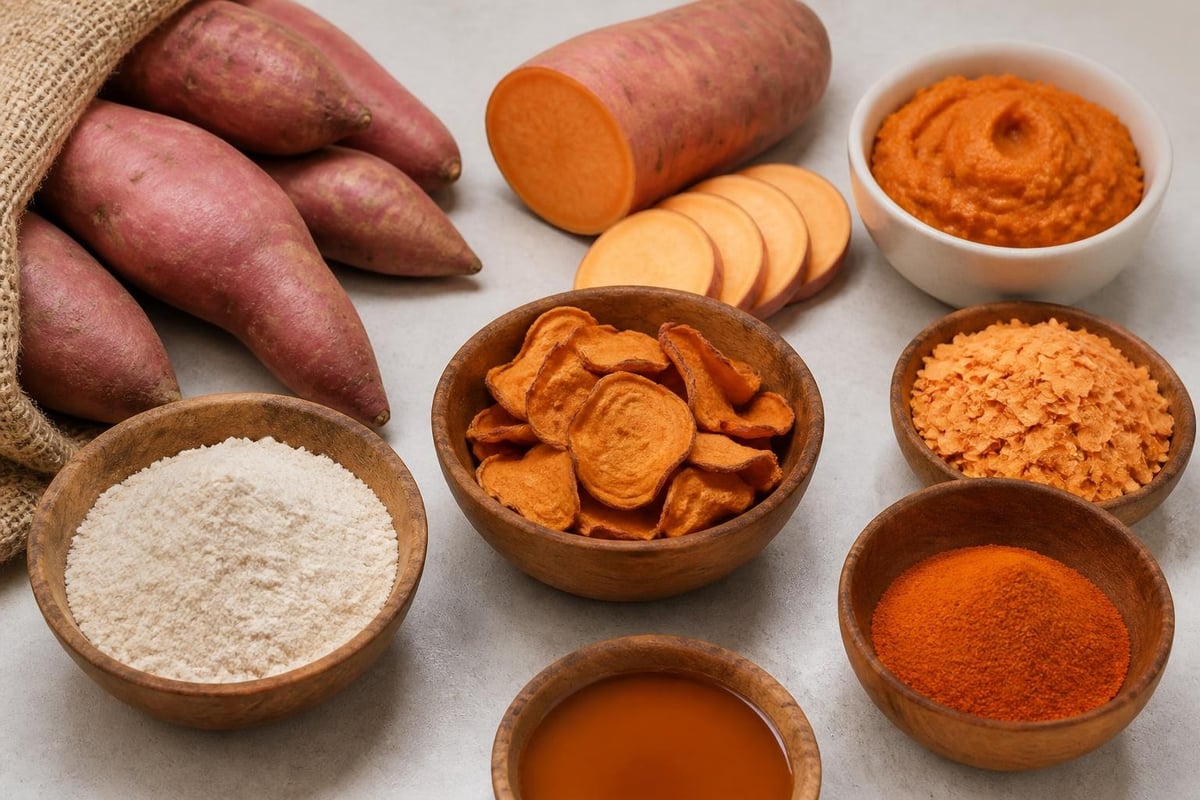
These innovations create new sourcing opportunities as manufacturers seek sweet potato ingredients in various forms including purees, flakes, flour, and concentrated extracts beyond whole fresh sweet potatoes.
Building Successful Export Partnerships
Long-term success in supplying japanese sweet potato snacks manufacturers requires more than meeting basic quality specifications. Strategic suppliers develop comprehensive value propositions addressing multiple dimensions of buyer needs.
Quality Consistency and Traceability
Manufacturers increasingly demand traceability systems documenting production practices, harvest dates, handling procedures, and quality testing results. Implementing robust tracking systems from farm to shipping container builds buyer confidence and facilitates problem resolution when issues arise.
Consistency across shipments matters more than occasional exceptional quality. Buyers planning production schedules and managing inventory require predictable specifications, delivery timing, and volume availability.
| Partnership Element | Buyer Priority | Supplier Action |
|---|---|---|
| Quality consistency | High | Implement standardized grading and testing protocols |
| Supply reliability | High | Develop multiple farm partnerships and backup sources |
| Communication | Medium-High | Establish regular updates and responsive contact systems |
| Technical support | Medium | Provide product specifications and processing guidance |
| Price stability | Medium | Negotiate seasonal contracts with clear pricing terms |
| Documentation | High | Maintain complete records and certificates |
Technical Collaboration
Forward-thinking suppliers position themselves as technical partners rather than commodity vendors. This includes sharing agronomic knowledge, conducting variety trials, providing seasonal quality forecasts, and collaborating on new product development initiatives.
Understanding manufacturer processing requirements enables suppliers to optimize harvest timing, implement specific post-harvest treatments, and provide technical recommendations that improve processing efficiency and final product quality.
Regional Production Advantages
Different sweet potato production regions offer distinct advantages for suppliers targeting the japanese sweet potato snacks market. Climate patterns, soil characteristics, and established agricultural infrastructure influence quality profiles and competitive positioning.
West Java's volcanic soils provide excellent drainage and mineral content that contributes to sweet potato quality. The region's tropical climate enables year-round production with proper varietal selection and irrigation management, supporting consistent supply to manufacturers requiring uninterrupted raw material flow.
Elevation variations within production regions create microclimates suitable for different varieties and harvest timing. Higher elevation areas may produce sweet potatoes with higher dry matter content ideal for chip production, while lower elevations optimize varieties for dried snack formats.
Seasonal Quality Variations
Even in tropical production regions, seasonal patterns influence sweet potato characteristics. Dry season harvests typically yield higher solids content and enhanced flavor concentration, while wet season production may require adjusted curing protocols to achieve target specifications.
Understanding these seasonal patterns helps suppliers guide buyers toward optimal purchasing schedules and manage expectations regarding quality variations throughout the year. Transparency about seasonal influences builds trust and supports long-term relationships.
For businesses exploring opportunities in this market, resources available through industry trade platforms provide valuable insights into market requirements, buyer profiles, and supply chain best practices specific to sweet potato exports.
Certification and Compliance Requirements
Export markets for japanese sweet potato snacks impose various certification, testing, and documentation requirements. Successful suppliers maintain compliance systems addressing food safety, quality assurance, and regulatory standards across destination markets.
Essential Certifications
Good Agricultural Practices (GAP) certification demonstrates systematic food safety management from cultivation through post-harvest handling. Many international buyers require GAP certification or equivalent standards as a baseline supplier qualification.
Organic certification opens access to premium market segments, though certification costs and yield reductions must be weighed against price premiums. The organic japanese sweet potato snacks segment grows steadily as health-conscious consumers seek certified products.
- HACCP compliance for food safety management
- Phytosanitary certificates for pest-free status
- Certificates of origin for trade preference programs
- Quality analysis reports from accredited laboratories
- Traceability documentation linking shipments to production lots
Testing and Analysis Programs
Regular testing programs verify sweet potato characteristics match buyer specifications and detect potential issues before shipment. Standard tests include solids content, sugar levels, physical dimensions, and absence of contaminants.
Advanced suppliers implement testing protocols exceeding basic requirements, conducting varietal authentication, nutritional profiling, and shelf-life studies that provide value-added information supporting buyer product development initiatives.
Pricing Dynamics and Contract Structures
Understanding pricing mechanisms and contract structures in the japanese sweet potato snacks supply chain enables suppliers to negotiate effectively and structure agreements that balance risk between buyers and sellers.
Spot market transactions offer flexibility but expose both parties to price volatility and availability uncertainty. This approach works for opportunistic purchases or trial quantities but creates challenges for production planning.
Seasonal contracts establish pricing and volume commitments for defined periods, typically aligned with harvest seasons. These arrangements provide stability for both parties while incorporating mechanisms for quality-based adjustments.
Price Influencing Factors
Multiple variables influence pricing in this market segment:
- Varietal specifications: Premium varieties command higher prices based on superior processing characteristics
- Quality grade: Strict size, appearance, and composition requirements justify premium pricing
- Volume commitments: Larger, consistent volumes enable better pricing through economies of scale
- Delivery timing: Off-season supply or expedited delivery may warrant price adjustments
- Payment terms: Extended payment periods or advance payments influence final pricing
Transparent pricing structures that clearly link specifications, volumes, timing, and payment terms facilitate productive negotiations and establish foundations for long-term partnerships.
Competitive Positioning Strategies
Suppliers entering or expanding in the japanese sweet potato snacks market must differentiate their value propositions in an increasingly competitive landscape. Strategic positioning considers both operational capabilities and market positioning.
Volume-focused suppliers build competitive advantage through scale economies, enabling competitive pricing for manufacturers with high-volume requirements. This strategy requires significant production capacity, efficient logistics, and working capital to manage inventory.
Quality-premium positioning targets manufacturers serving premium market segments through superior product specifications, specialized varieties, or certified production systems. This approach typically involves smaller volumes at higher prices with emphasis on consistency and service.
Innovation partnerships position suppliers as collaborative partners in product development, offering access to unique varieties, custom production protocols, or processing innovation support. This strategy builds deeper relationships and creates switching costs that improve customer retention.
Businesses seeking to establish competitive positions in this market can explore partnership opportunities and market intelligence through specialized sweet potato export companies with established buyer networks and market knowledge.
The japanese sweet potato snacks market presents substantial opportunities for suppliers who understand quality requirements, processing specifications, and buyer partnership expectations in this growing category. Success requires technical expertise, quality consistency, and strategic positioning aligned with specific market segments and buyer needs. PT Cakra Baja Niaga works with international buyers seeking reliable sources of premium sweet potatoes for snack manufacturing, combining direct farm partnerships in West Java with quality assurance systems and export logistics expertise to support your sourcing requirements.
Looking to source premium Indonesian sweet potatoes?
PT Cakra Baja Niaga supplies export-grade Cilembu, Purple, and Murasaki varieties to buyers worldwide.
Continue reading

Sweet Potatoes Import Singapore Market Report
Explore Singapore’s sweet potato imports, leading suppliers, SFA requirements, pricing factors, and sourcing opportunities for Indonesian exporters.
Read article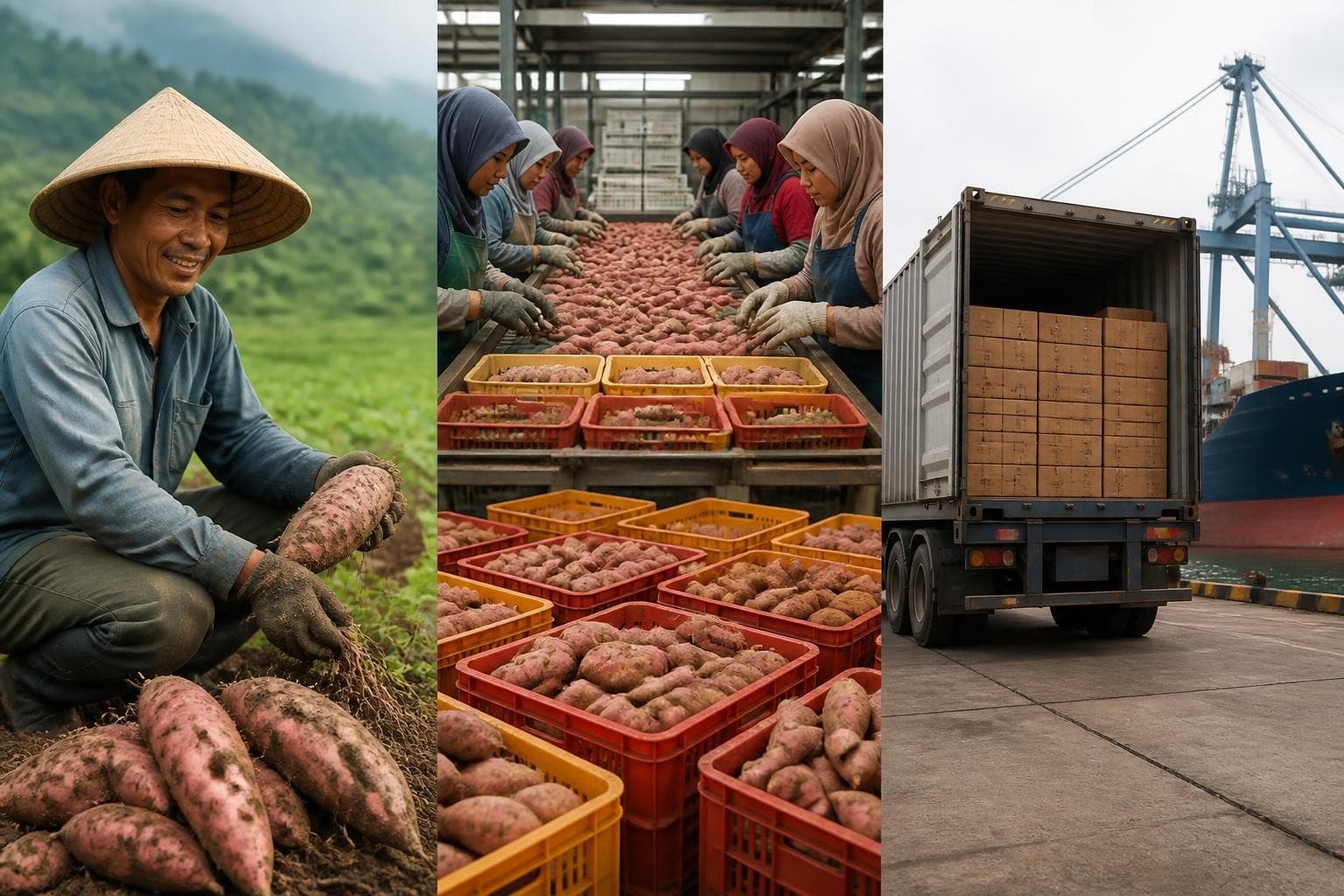
Wholesale Sweet Potatoes Indonesia: B2B Export Guide 2026
Source premium wholesale sweet potatoes Indonesia for import. Quality standards, export logistics, varieties, pricing & supplier partnerships.
Read article
Sweet Potatoes Supplier Indonesia: Quality & Export Guide
Find reliable sweet potatoes supplier Indonesia offering premium export quality. Learn about sourcing, grading, logistics, and partnerships.
Read article