
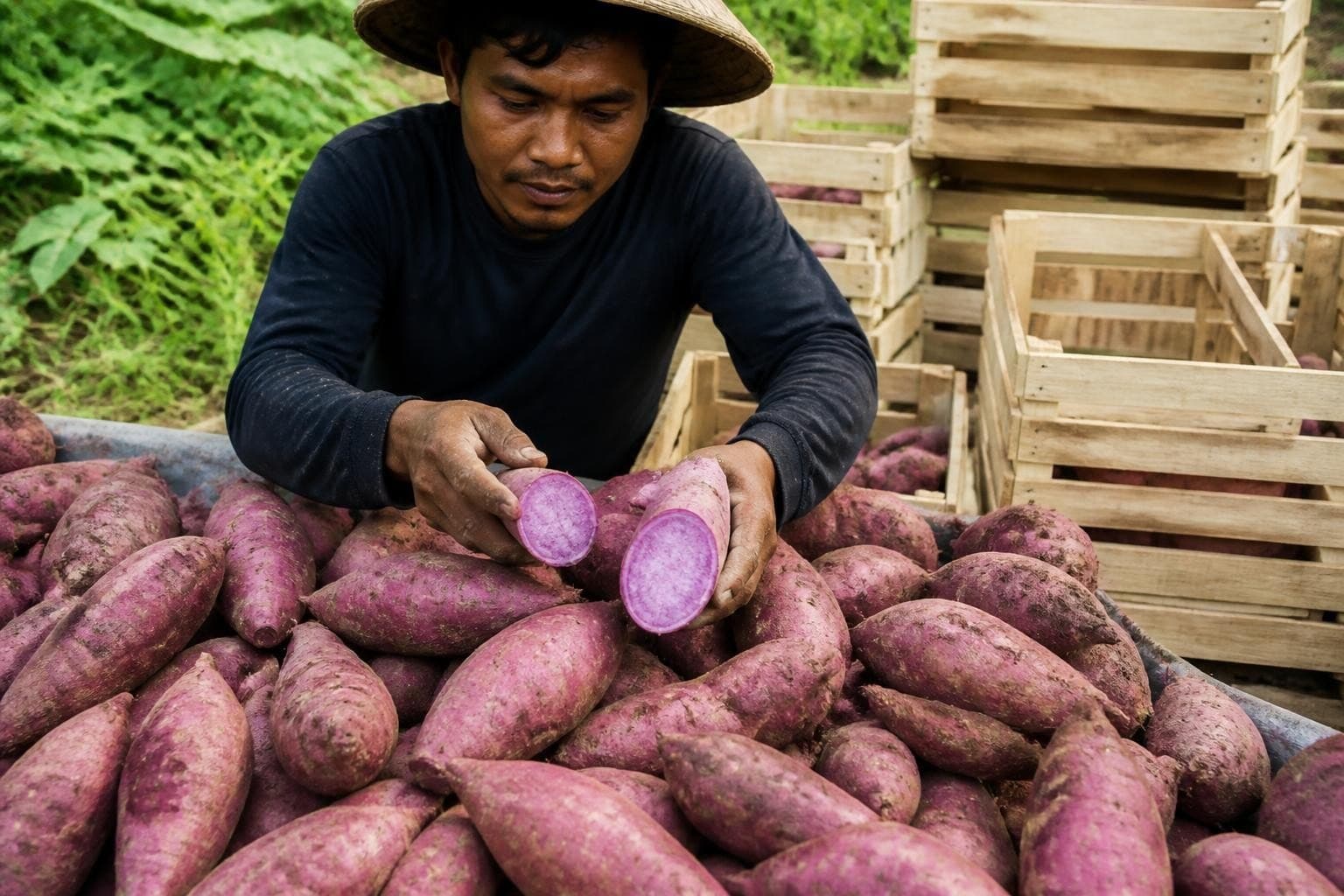
Discover japanese purple yams market dynamics, nutritional benefits, and export opportunities for international buyers seeking premium produce.
The global demand for specialty produce continues to expand, and japanese purple yams have emerged as a lucrative opportunity for exporters and importers alike. These vibrant, nutrient-dense tubers represent more than just another agricultural commodity-they embody a growing consumer preference for functional foods that deliver both exceptional taste and measurable health benefits. For international buyers seeking reliable sources of premium sweet potato varieties, understanding the market dynamics, cultivation practices, and export considerations surrounding these distinctive roots is essential for building successful trade partnerships.
Understanding the Japanese Purple Yam Market Landscape
The global market for specialty sweet potatoes has experienced remarkable growth over the past decade, with japanese purple yams capturing significant attention from health-conscious consumers and culinary professionals worldwide. Unlike standard orange sweet potatoes, these varieties offer a unique nutritional profile characterized by high anthocyanin content, the same antioxidant compound found in blueberries and blackberries.
Key market drivers include:
- Rising consumer awareness of antioxidant-rich foods
- Growing Asian diaspora populations in Western markets
- Increased demand from specialty food retailers and restaurants
- Health and wellness trends favoring natural, colorful ingredients
- Plant-based diet adoption requiring diverse nutrient sources
The commercial value of these tubers extends beyond fresh produce markets. Food manufacturers increasingly incorporate purple yam powder and extracts into beverages, baked goods, and ready-to-eat products, creating multiple revenue streams for exporters who can provide consistent quality and volume.
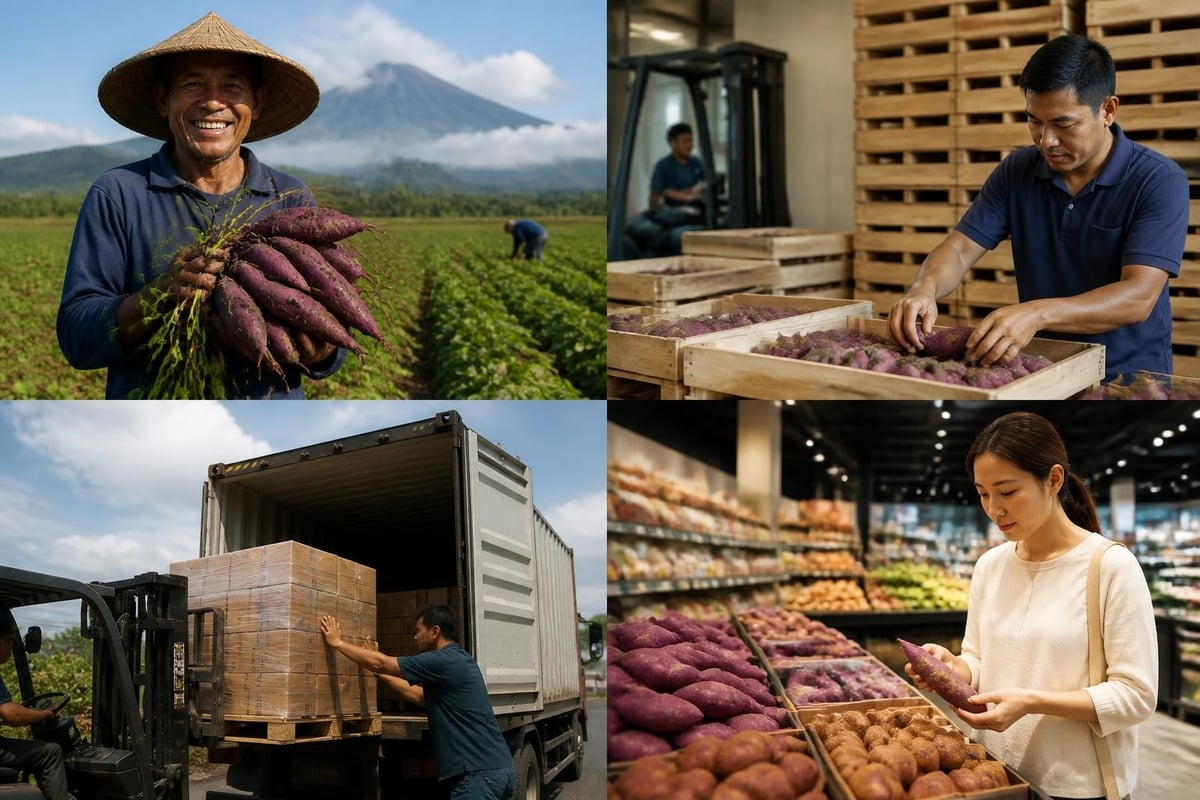
Nutritional Profile and Health Benefits Driving Demand
Understanding why importers and retailers prioritize japanese purple yams requires examining their impressive nutritional content and health benefits. The deep purple pigmentation signals high concentrations of anthocyanins, powerful antioxidants that differentiate these varieties from conventional sweet potatoes.
Comprehensive Nutritional Analysis
| Nutrient Component | Quantity per 100g | Market Advantage |
|---|---|---|
| Calories | 140 kcal | Moderate energy density |
| Dietary Fiber | 3.9 g | Digestive health support |
| Vitamin C | 17 mg | Immune system benefits |
| Potassium | 816 mg | Cardiovascular support |
| Anthocyanins | 150-250 mg | Unique selling proposition |
Research indicates that the health benefits of yams include potential support for blood sugar regulation, cardiovascular health, and inflammation reduction. These functional food properties make japanese purple yams particularly attractive to premium retailers targeting health-conscious demographics.
The antioxidant capacity of these tubers has captured attention from nutraceutical companies exploring ingredient sourcing for supplements and functional food products. Export businesses positioned to meet food safety certifications and organic standards can command premium pricing in these specialized market segments.
Cultivation and Quality Standards for Export Markets
Successful export operations depend on rigorous quality control beginning at the farm level. Japanese purple yams require specific growing conditions to develop their characteristic color intensity, nutritional density, and shelf life suitable for international shipping.
Optimal Growing Conditions
Indonesian growing regions, particularly West Java, provide ideal conditions for producing export-quality purple yams. The volcanic soil composition, tropical climate with distinct wet and dry seasons, and elevation ranges create an environment that supports robust tuber development.
Cultivation best practices emphasize proper land preparation, spacing requirements, and harvest timing to maximize both yield and quality. Export-oriented farms implement standardized protocols covering:
- Soil testing and amendment programs
- Certified planting material selection
- Integrated pest management systems
- Irrigation scheduling for optimal tuber formation
- Harvest maturity indicators and handling procedures
- Post-harvest curing and storage protocols
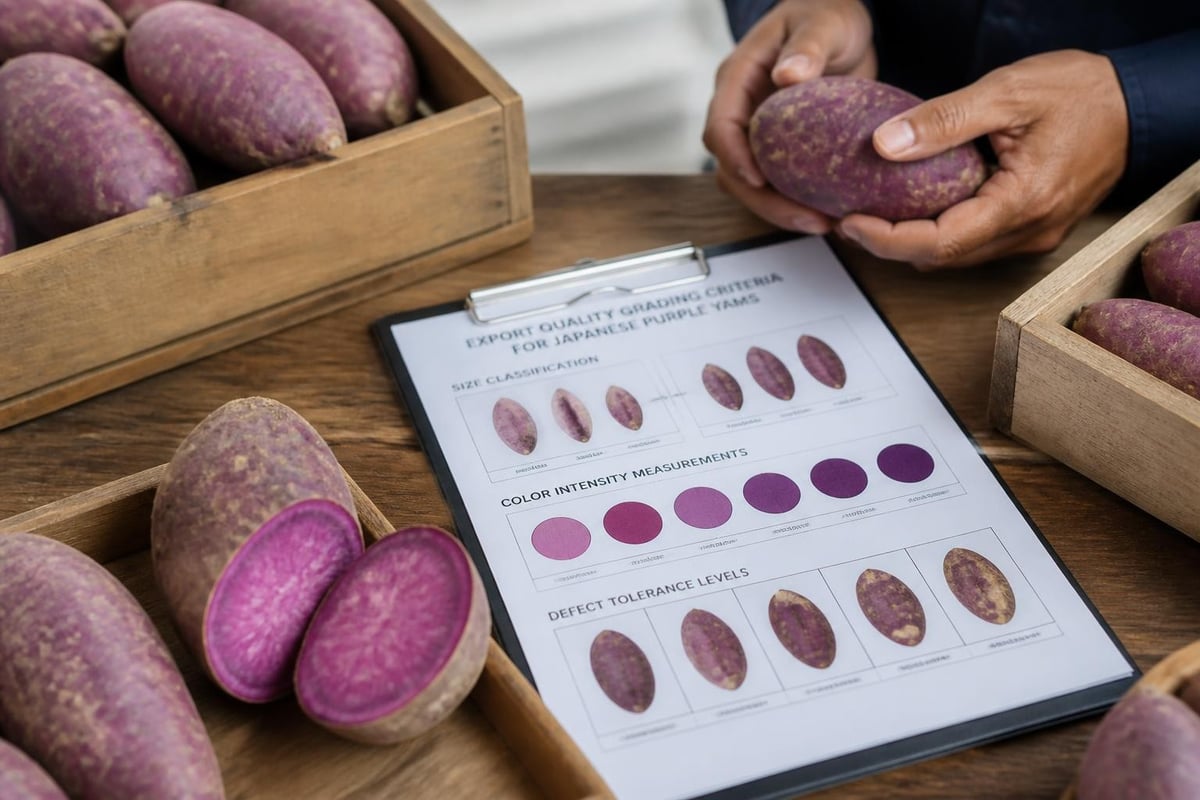
Quality grading systems separate export-grade tubers based on size uniformity, skin integrity, flesh color consistency, and absence of defects. Premium buyers typically specify minimum sizes, maximum blemish tolerances, and color intensity standards that directly affect market pricing.
Export Logistics and International Trade Considerations
Moving perishable agricultural products across international borders requires sophisticated logistics coordination and regulatory compliance. Japanese purple yams destined for markets in Asia, North America, Europe, and the Middle East face distinct requirements based on destination country regulations.
Critical Export Documentation
- Phytosanitary certificates verifying pest-free status
- Country-of-origin certificates
- Quality inspection reports
- Food safety compliance documentation
- Organic certifications (when applicable)
- Commercial invoices and packing lists
Temperature-controlled shipping is non-negotiable for maintaining product quality during transit. Purple yams require storage between 13-16°C (55-60°F) to prevent chilling injury while minimizing respiration rates that accelerate deterioration. Export packaging must provide adequate ventilation while protecting against physical damage during handling.
Shelf life management factors:
- Proper curing reduces moisture loss and extends storage capability
- Controlled atmosphere storage can extend viability to 6-8 months
- Regular quality checks identify and remove deteriorating units
- First-in-first-out inventory rotation maintains freshness
Importers increasingly request traceability systems that document the entire supply chain from specific farm plots through processing, packing, and shipping. Digital tracking platforms provide transparency that builds buyer confidence and facilitates rapid response to any quality concerns.
Market Segmentation and Buyer Profiles
Understanding the distinct needs of different buyer categories enables exporters to tailor their service offerings and build lasting commercial relationships. The japanese purple yam market encompasses diverse customer types with varying volume requirements, quality specifications, and price sensitivities.
Primary Buyer Categories
| Buyer Type | Volume Requirements | Key Priorities | Price Sensitivity |
|---|---|---|---|
| Retail Chains | High (containers) | Consistency, certification | Medium |
| Specialty Stores | Medium (pallets) | Unique varieties, story | Low |
| Restaurants | Low-Medium (cases) | Premium quality, reliability | Low |
| Food Manufacturers | Very High (bulk) | Standardization, contracts | High |
| Distributors | Variable | Flexibility, payment terms | Medium |
Retail chains prioritize suppliers who can maintain consistent specifications across multiple shipments throughout the season. These buyers often require specific packaging formats, label compliance with local regulations, and coordinated delivery schedules that align with distribution center operations.
Specialty food retailers and high-end restaurants value product differentiation and storytelling around origin, farming practices, and varietal characteristics. These market segments often pay premium prices for unique purple yam varieties with exceptional flavor profiles or certified organic status.
For exporters, the comprehensive benefits of purple yams provide compelling marketing narratives that resonate with health-focused retailers and their customers. Positioning these tubers as functional foods rather than commodity vegetables justifies premium pricing and builds brand loyalty.
Competitive Positioning in the Global Sweet Potato Market
Japanese purple yams compete within a broader context of specialty sweet potato varieties, each offering distinct characteristics that appeal to different market segments. Strategic positioning requires understanding competitive advantages and market differentiation opportunities.
The Philippines and Okinawa have historically dominated purple yam exports, particularly for the ube variety popular in Asian cuisine. However, Indonesian producers offer competitive advantages including:
- Geographic proximity to major Asian markets reducing shipping time
- Lower production costs compared to Japanese domestic cultivation
- Expanding production capacity meeting growing demand
- Multiple harvest seasons ensuring year-round availability
- Government support for agricultural export development
Indonesian exporters can leverage these advantages while building reputation for quality consistency and reliable partnerships. The global cultivation patterns of purple yams demonstrate growing production in tropical regions, creating both opportunities and competitive pressure.
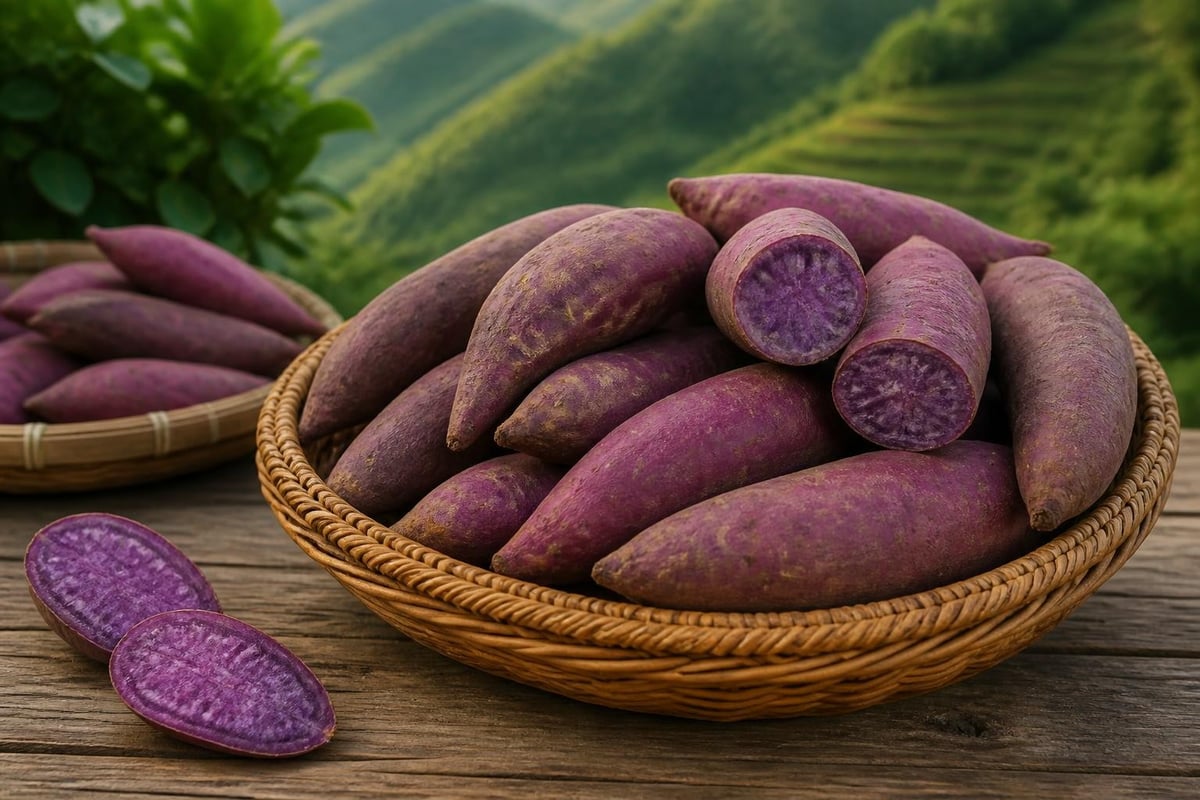
Building Sustainable Export Partnerships
Long-term success in agricultural exports depends on developing mutually beneficial relationships between producers, exporters, and international buyers. Japanese purple yams, with their premium positioning and growing market demand, offer opportunities for partnerships that extend beyond transactional commodity trading.
Partnership Success Factors
Transparency throughout the supply chain establishes trust that forms the foundation of lasting commercial relationships. International buyers increasingly conduct supplier audits, farm visits, and ongoing quality monitoring to verify that their partners maintain declared standards.
Communication protocols ensure that both parties align on specifications, delivery schedules, and problem resolution procedures. Regular updates during growing seasons keep buyers informed about crop development, anticipated volumes, and any factors that might affect supply continuity.
Essential partnership elements:
- Clear quality specifications documented in supply agreements
- Realistic volume commitments matching production capacity
- Flexible payment terms balancing buyer needs and exporter cash flow
- Collaborative problem-solving approaches for quality issues
- Shared market development initiatives and promotional support
Buyers appreciate exporters who understand their business challenges and market dynamics. For health-conscious retailers promoting purple yams to consumers, exporters can provide nutritional data, recipe suggestions, and product photography that supports merchandising efforts.
Emerging Trends and Future Market Opportunities
The japanese purple yam market continues evolving as consumer preferences shift and new applications emerge. Forward-thinking exporters monitor these trends to position their operations for future growth and diversification.
Plant-based food innovation has accelerated demand for naturally colored ingredients that provide visual appeal without synthetic additives. Purple yam powder serves as a natural colorant in everything from smoothie bowls to artisanal ice cream, creating opportunities beyond fresh produce markets.
The functional food sector increasingly recognizes the diverse health benefits of yams, driving research into extraction methods for bioactive compounds. Exporters with processing capabilities can capture additional value by offering dehydrated products, concentrated extracts, or frozen purées alongside fresh tubers.
Market Development Priorities
- Organic certification to access premium market segments
- Value-added product development beyond fresh tubers
- Direct relationships with food manufacturers and processors
- Climate-smart agriculture practices meeting sustainability standards
- Varietal development emphasizing flavor, nutrition, and storage characteristics
E-commerce expansion brings specialty produce to consumers previously unable to access exotic varieties through local retailers. While challenging for perishable products, innovations in small-quantity shipping and subscription services create new distribution channels for premium japanese purple yams.
Risk Management in Agricultural Export Operations
Agricultural trade inherently carries risks that successful exporters actively manage through diversified strategies and contingency planning. Japanese purple yam exports face specific challenges requiring proactive mitigation approaches.
Primary risk categories:
- Weather events affecting crop yields and quality
- Currency fluctuations impacting pricing competitiveness
- Regulatory changes in import requirements
- Quality deterioration during transit
- Market price volatility affecting profitability
- Payment default by international buyers
Crop insurance programs protect against catastrophic weather losses, though availability and terms vary by region. Diversifying production across multiple farm locations and planting times reduces the impact of localized growing challenges.
Currency hedging instruments help stabilize pricing for contracts denominated in foreign currencies. For exporters operating in Indonesian Rupiah but selling in US Dollars or Euros, exchange rate movements can significantly affect profit margins.
Quality assurance systems including pre-shipment inspections, temperature monitoring during transit, and rapid communication protocols minimize losses from deterioration. Insurance coverage for cargo damage provides financial protection, though preventing issues remains preferable to filing claims.
The nutritional advantages and market positioning of japanese purple yams support premium pricing that provides margin cushion against market fluctuations. Building diverse customer portfolios across geographic regions and market segments further stabilizes revenue streams.
Japanese purple yams represent a compelling opportunity for international buyers seeking premium, health-focused produce that meets growing consumer demand for functional foods. Success in this market requires understanding cultivation excellence, export logistics, quality standards, and partnership principles that create value for all supply chain participants. PT Cakra Baja Niaga connects international importers, distributors, and retailers with premium sweet potato varieties from trusted West Java farms, delivering consistent quality and reliable supply backed by transparent partnerships that support your business growth.
Looking to source premium Indonesian sweet potatoes?
PT Cakra Baja Niaga supplies export-grade Cilembu, Purple, and Murasaki varieties to buyers worldwide.
Continue reading

Sweet Potatoes Import Singapore Market Report
Explore Singapore’s sweet potato imports, leading suppliers, SFA requirements, pricing factors, and sourcing opportunities for Indonesian exporters.
Read article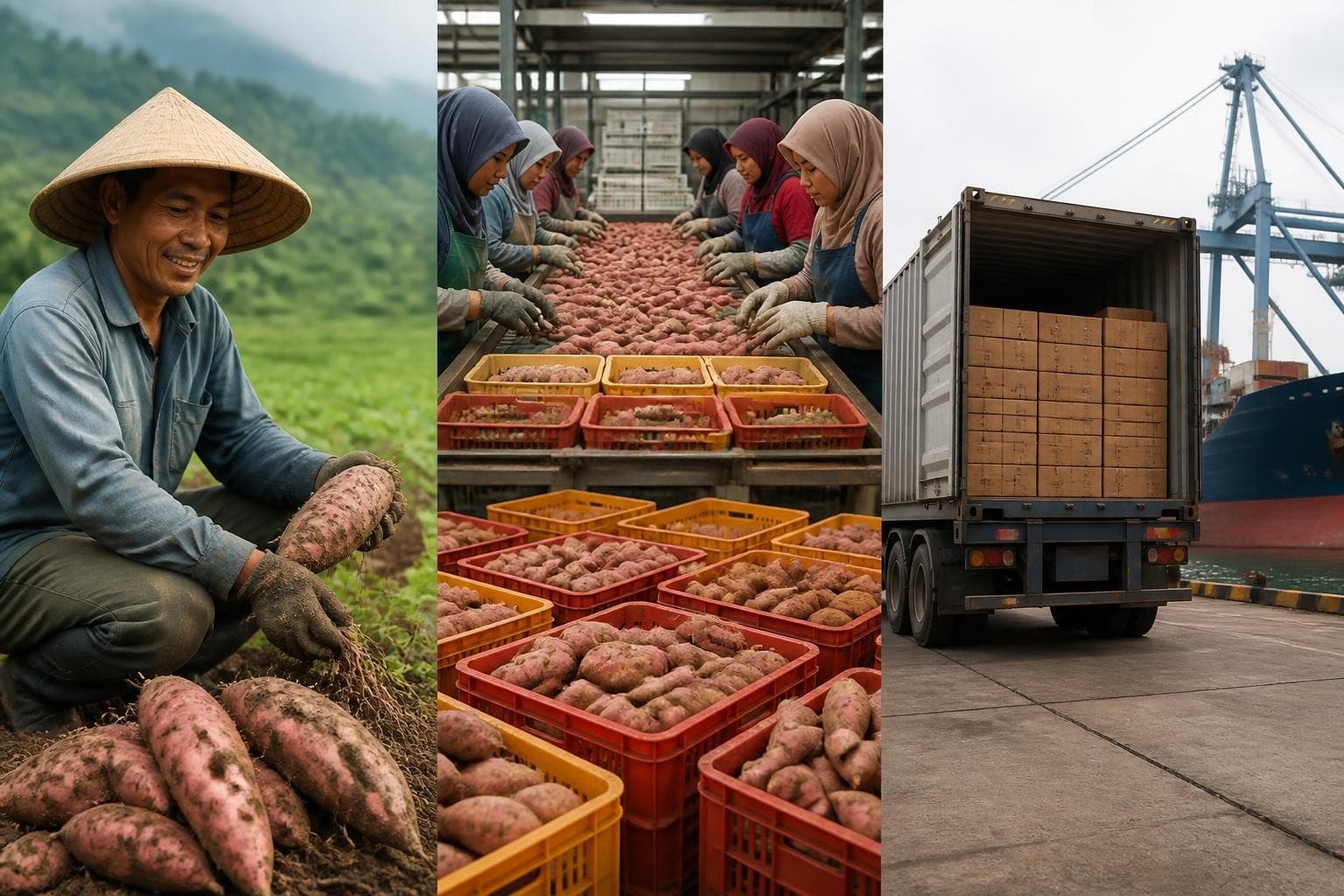
Wholesale Sweet Potatoes Indonesia: B2B Export Guide 2026
Source premium wholesale sweet potatoes Indonesia for import. Quality standards, export logistics, varieties, pricing & supplier partnerships.
Read article
Sweet Potatoes Supplier Indonesia: Quality & Export Guide
Find reliable sweet potatoes supplier Indonesia offering premium export quality. Learn about sourcing, grading, logistics, and partnerships.
Read article