
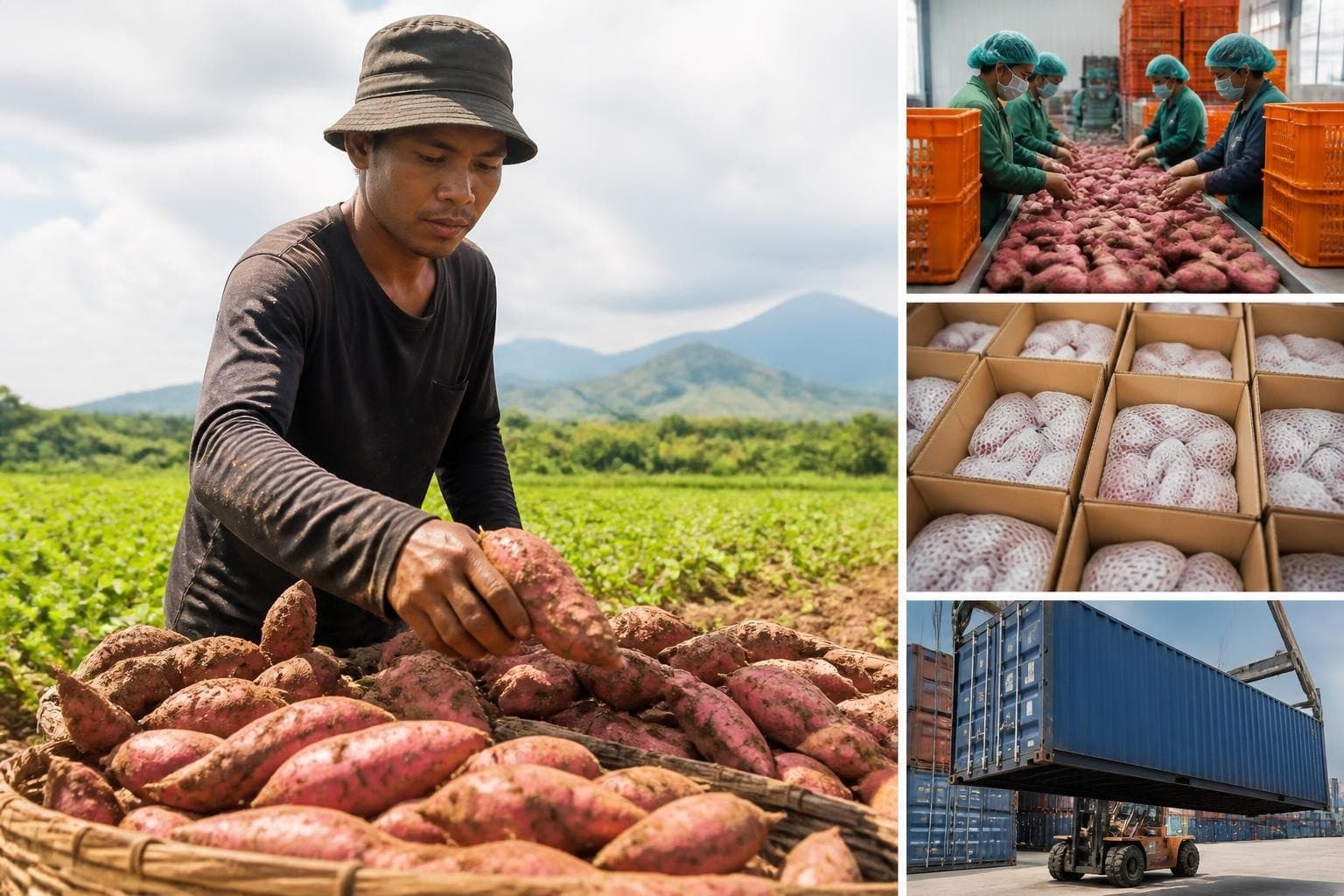
Discover why Indonesia is a top sweet potatoes exporter. Learn about quality grading, sourcing, phytosanitary compliance, and B2B partnerships.
Indonesia has emerged as a strategic player in the global sweet potato trade, combining favorable growing conditions, expanding cultivation areas, and improving post-harvest infrastructure. For international buyers seeking reliable supply partners, understanding the landscape of an indonesia sweet potatoes exporter provides critical insights into quality benchmarks, regulatory frameworks, and logistical capabilities that define successful B2B relationships in 2026.
Indonesia's Sweet Potato Production Capacity
Indonesia's sweet potato production has grown steadily over the past decade, driven by increased domestic consumption and rising export demand. According to FAOSTAT production data, Indonesia consistently ranks among the top sweet potato producers in Southeast Asia, with West Java, Central Java, and Papua serving as primary cultivation regions. The country's equatorial climate enables year-round planting cycles in certain areas, providing an advantage for exporters who need consistent supply.
West Java stands out as the most commercially developed growing region for export-grade sweet potatoes. Farms in districts like Cianjur, Garut, and Kuningan have established reputations for premium varieties, particularly the Cilembu sweet potato known for its high sugar content and caramel-like texture when cooked. These regional advantages enable Indonesian exporters to offer differentiated products to international markets.
Key production metrics for 2026:
- Average yields ranging from 12 to 18 tons per hectare for commercial farms
- Export-focused farms implementing GAP (Good Agricultural Practices) certification
- Growing adoption of drip irrigation and organic fertilization methods
- Expanded cold storage facilities near major production areas
Understanding the Indonesia Sweet Potatoes Exporter Landscape
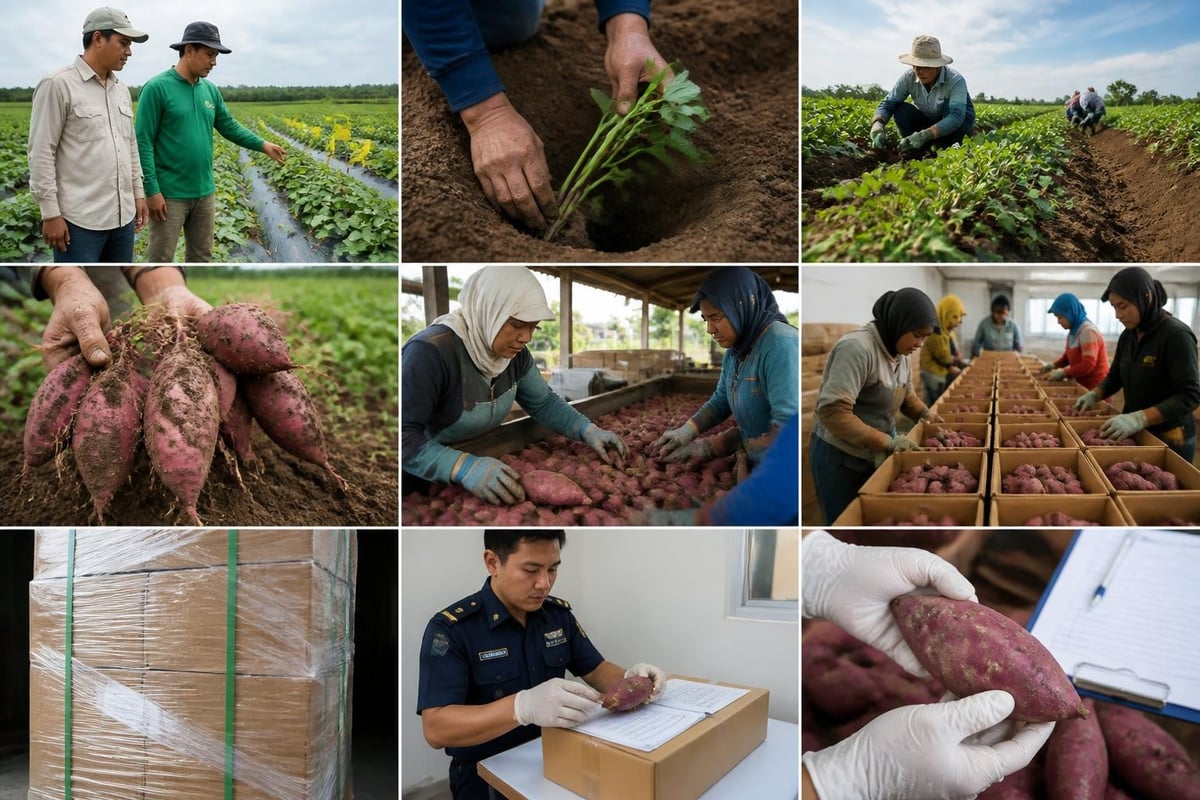
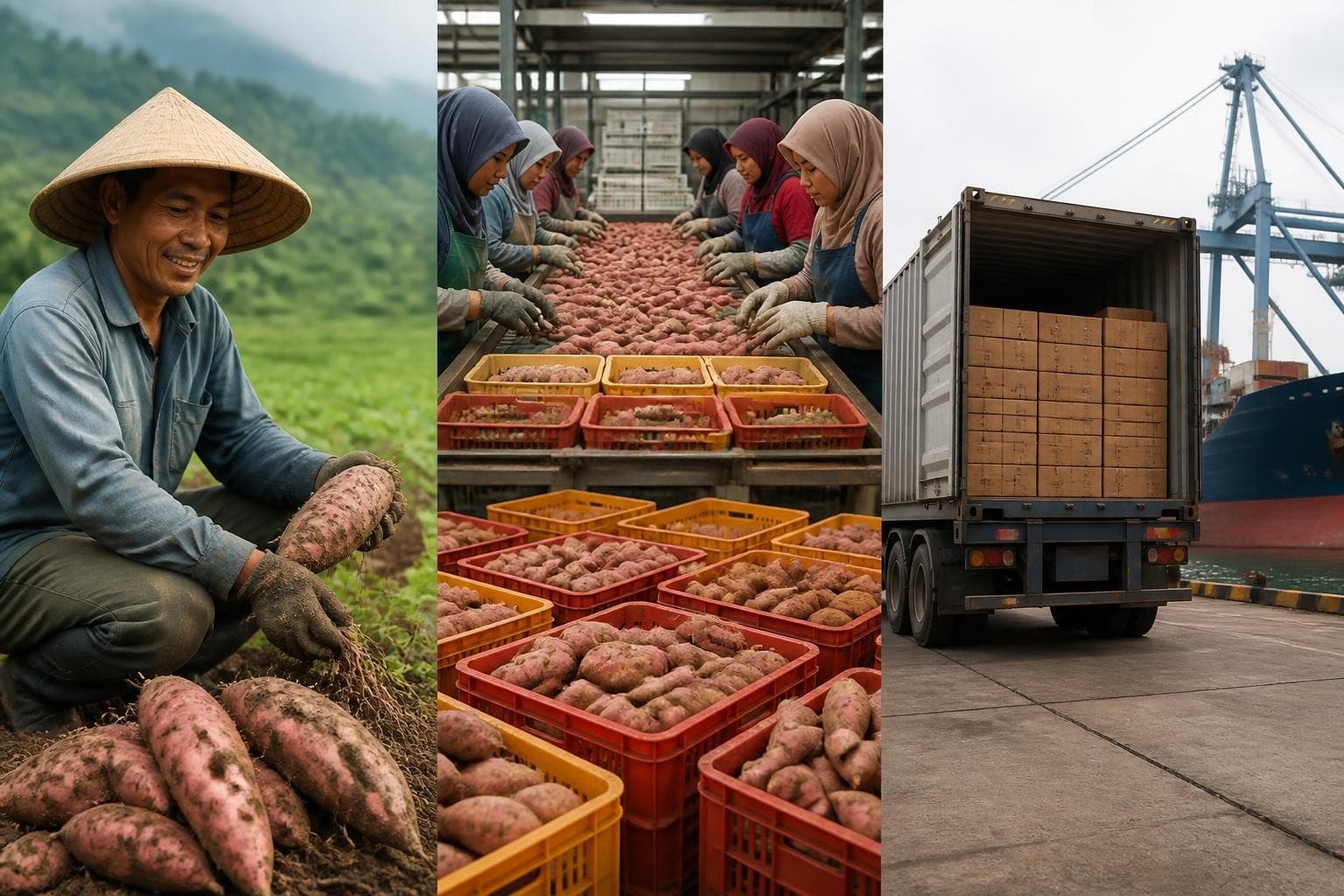
The structure of Indonesia's sweet potato export sector differs significantly from commodity exporters in other agricultural categories. Most exporters operate as trading companies that establish direct partnerships with farm cooperatives rather than owning plantations. This model provides flexibility while requiring robust quality control systems to ensure consistency across multiple farm sources.
PT Cakra Baja Niaga exemplifies this partnership-based approach. Working directly with partner farms in West Java, the company implements standardized grading protocols and pre-export quality checks at farm level. This upstream intervention reduces rejection rates and ensures that only export-grade tubers enter the supply chain.
Export Trade Statistics and Destinations
Indonesia's sweet potato export data for 2023 reveals several important market trends. Malaysia, Singapore, and Hong Kong constitute the largest traditional markets, accounting for approximately 65% of total export volume. However, emerging opportunities in Middle Eastern markets and select European buyers indicate growing international recognition of Indonesian sweet potato quality.
| Destination Region | Share of Exports | Primary Varieties | Typical Order Size |
|---|---|---|---|
| Southeast Asia | 65% | Orange, Purple, White | 20-40 ft containers |
| Middle East | 18% | Orange, Caramel varieties | 40 ft containers |
| East Asia | 12% | Purple, Japanese types | 20 ft containers |
| Other Markets | 5% | Mixed varieties | LCL and full containers |
The shift toward containerized exports has improved quality preservation during transit. Modern Indonesia sweet potatoes exporter operations now routinely use refrigerated containers with controlled atmosphere technology for shipments exceeding seven days transit time.
Quality Grading and Classification Standards
International buyers evaluating an indonesia sweet potatoes exporter must understand the grading systems used to classify export-quality tubers. While Indonesia does not maintain a mandatory national grading standard for fresh sweet potato exports, leading exporters have adopted classification systems aligned with international buyer expectations.
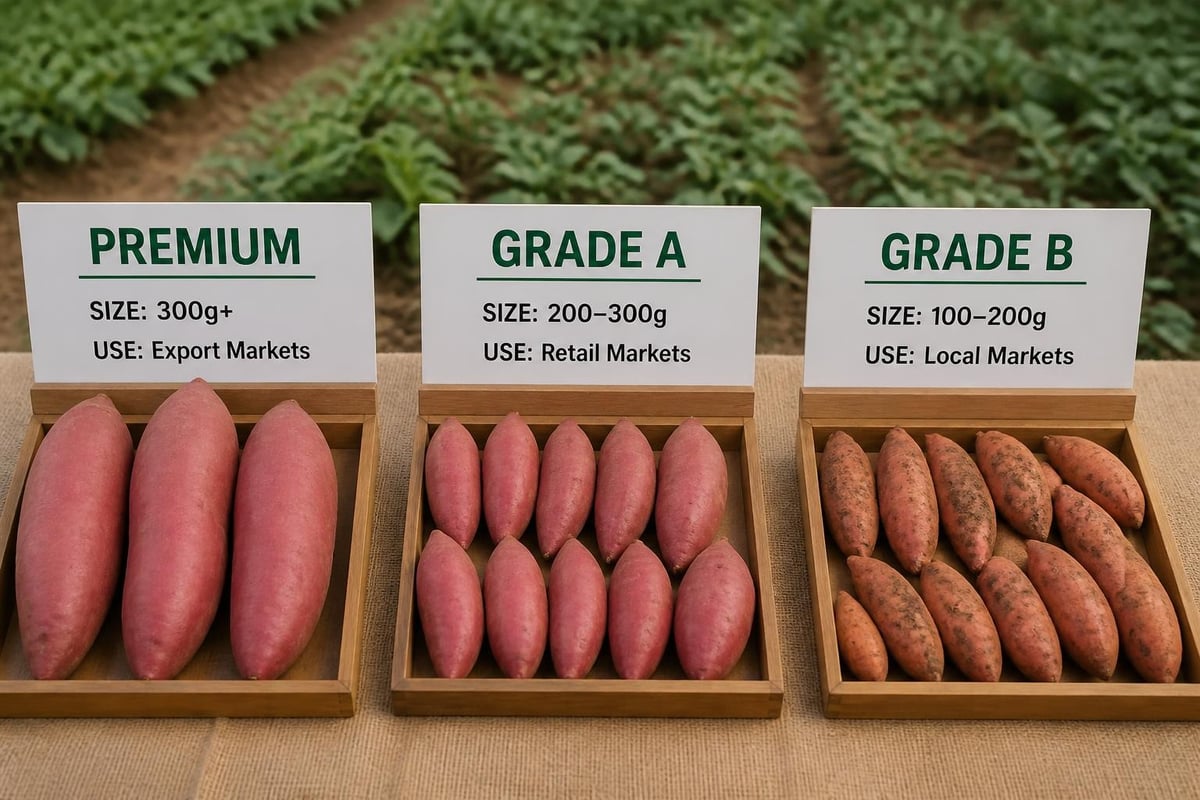
Standard export grades include:
- Premium Grade – uniform size (200-350g), smooth skin, no blemishes, optimal shape
- Grade A – consistent size (150-400g), minimal skin imperfections, good shape
- Grade B – variable size (100-500g), minor cosmetic defects, acceptable for processing
- Industrial Grade – mixed sizes, suitable for cutting, dicing, or frozen product manufacturing
Size specifications matter significantly for retail buyers. Supermarket chains in developed markets typically prefer tubers in the 200-300 gram range, which fit consumer cooking habits and display requirements. Export quality sweet potatoes must meet these size parameters while maintaining varietal characteristics that define flavor and texture profiles.
Varietal Selection for Target Markets
Different international markets show distinct preferences for sweet potato varieties, requiring exporters to maintain diverse cultivation portfolios:
- Orange-fleshed varieties: High beta-carotene content, popular in Middle East and Western markets
- Purple-fleshed varieties: Rich in anthocyanins, premium positioning in health-conscious markets
- White/cream varieties: Preferred in traditional Asian markets for specific culinary applications
- Japanese types: Chestnut texture, growing demand in specialty retail channels
Understanding these preferences enables buyers to specify requirements clearly when sourcing from an indonesia sweet potatoes exporter.
Phytosanitary Compliance and Export Certification
Agricultural quarantine requirements represent one of the most critical aspects of the sweet potato export process. Indonesia's Badan Karantina Pertanian oversees phytosanitary certification and issues the official health certificates required for export. Buyers must verify that their chosen indonesia sweet potatoes exporter maintains current quarantine facility registration and understands destination-specific phytosanitary protocols.
Common Phytosanitary Requirements
Most importing countries require:
- Pest-free certification from authorized quarantine inspectors
- Treatment documentation (fumigation or cold treatment when specified)
- Declaration of production area and farm registration numbers
- Testing for specific pathogens based on destination country regulations
- Traceability documentation linking shipment to source farms
The certification process typically requires 3-5 business days for standard destinations and up to 10 days for countries with enhanced biosecurity requirements. Experienced exporters maintain ongoing communication with quarantine authorities to expedite routine certifications and address any inspection findings promptly.
Advanced exporters implement pre-shipment quality protocols that reduce the likelihood of quarantine issues:
- Farm-level pest monitoring during growth cycle
- Post-harvest curing in controlled environments (4-7 days at 28-30°C)
- Visual inspection and removal of damaged or diseased tubers
- Sample testing for soil-borne pathogens before packing
- Documentation of washing and sanitization procedures
Packaging Solutions for Export Markets
Packaging significantly impacts product quality during international shipment. An indonesia sweet potatoes exporter must balance protection requirements with cost efficiency while meeting buyer specifications. Standard export packaging configurations include:
Carton packaging: 10kg or 20kg corrugated boxes with ventilation holes, suitable for air freight and refrigerated containers. Boxes typically include moisture-resistant lining and cushioning materials to prevent bruising during handling.
Mesh bags: 10kg or 20kg polypropylene mesh bags, commonly used for shorter transit routes within Southeast Asia. This option reduces packaging costs but provides less protection against mechanical damage.
Bulk bins: 400-500kg wooden or plastic bins for industrial buyers requiring processing-grade sweet potatoes. This method minimizes per-unit packaging costs for high-volume orders.
The choice of sweet potatoes export packaging should align with shipment mode, transit duration, and end-use requirements. Retail-destined sweet potatoes typically require individual carton packaging with product information labeling, while bulk shipments for food manufacturers can utilize more economical options.
Container Loading and Optimization
A standard 40-foot refrigerated container accommodates approximately 24-26 tons of sweet potatoes when using carton packaging, though actual capacity depends on packaging configuration and stacking patterns. Proper container loading techniques include:
- Temperature pre-cooling to target transit temperature (12-14°C optimal)
- Strategic placement of temperature data loggers
- Air circulation channels between stacked pallets
- Securing cargo with load bars and straps to prevent shifting
- Documentation of container condition and seal verification
Buyers should discuss container shipping procedures with their indonesia sweet potatoes exporter during quotation negotiations to ensure proper handling protocols.
Evaluating Supplier Partnerships
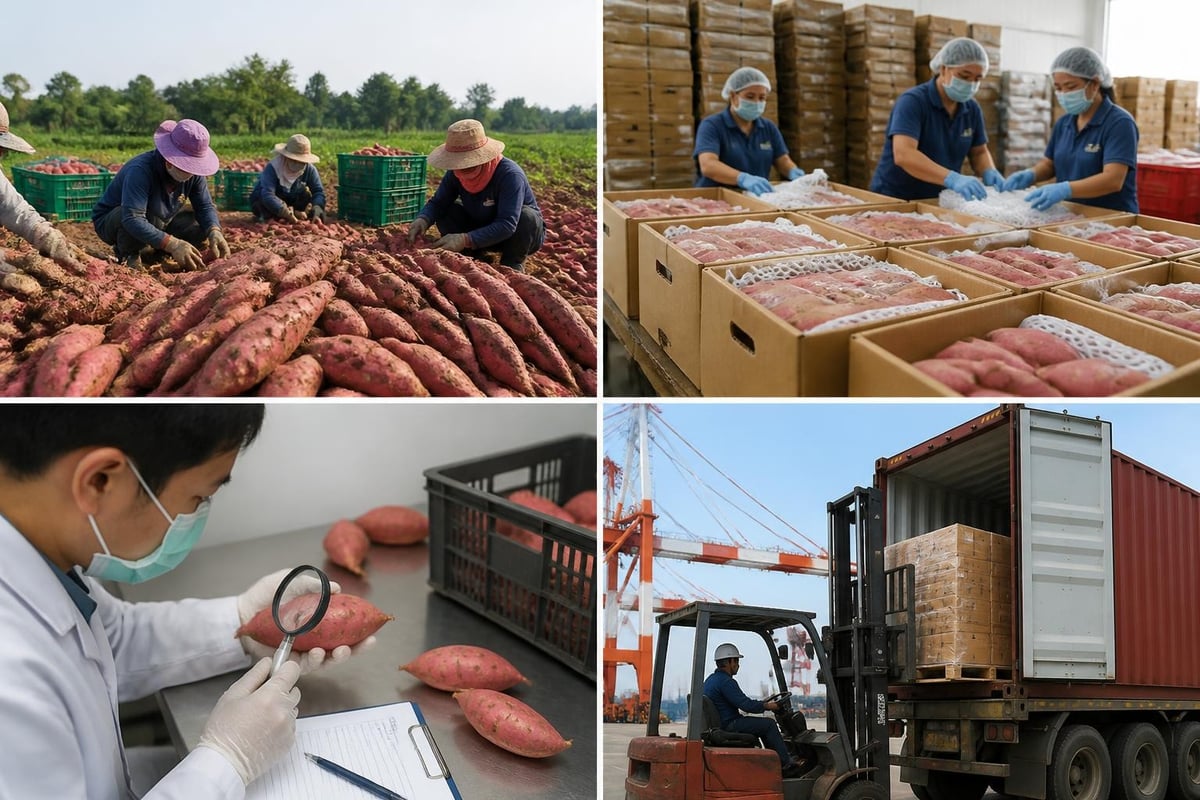
Selecting the right indonesia sweet potatoes exporter requires due diligence beyond price comparison. International buyers should evaluate potential partners across multiple dimensions:
| Evaluation Criteria | Key Indicators | Verification Methods |
|---|---|---|
| Farm Network | Direct partnerships, geographic diversity | Farm visit records, production calendars |
| Quality Systems | Grading protocols, rejection rates | Sample shipments, third-party inspection reports |
| Compliance Track Record | Phytosanitary certification success rate | Customs clearance history, buyer references |
| Financial Stability | Payment terms, credit insurance | Company registration, trade references |
| Communication Capability | English proficiency, response time | Trial correspondence, video calls |
Established exporters like PT Cakra Baja Niaga typically provide comprehensive documentation packages including company registration, export licenses, quarantine facility certification, and buyer reference lists. These materials enable informed decision-making and risk assessment.
Building Transparent B2B Relationships
The most successful long-term partnerships between importers and Indonesian exporters are built on transparency and mutual understanding. This includes:
- Clear specification agreements: Detailed written standards for size, quality, packaging, and labeling
- Regular quality reporting: Pre-shipment samples, inspection photos, and quality certificates
- Proactive communication: Updates on crop conditions, harvest schedules, and potential supply issues
- Flexible problem resolution: Collaborative approaches to addressing quality claims or specification adjustments
Buyers should expect their indonesia sweet potatoes exporter to provide growing season updates, particularly during periods of weather variability that might impact harvest timing or quality profiles.
Market Positioning and Competitive Advantages
Indonesia's position in the global sweet potato market offers several structural advantages for buyers seeking alternatives to traditional suppliers. While countries like China and United States dominate global production volumes, Indonesian exporters can compete effectively on specific value propositions:
Geographic proximity to Asian markets reduces transit time and freight costs compared to distant suppliers. A shipment from West Java to Singapore requires approximately 3-4 days by sea, compared to 15-20 days from North American origins.
Varietal diversity enables Indonesian farms to cultivate specialized types that command premium prices. Purple sweet potato varieties with high anthocyanin content appeal to health-focused retailers, while traditional Cilembu types serve niche markets seeking exceptional flavor profiles.
Year-round production potential in equatorial regions provides supply continuity that seasonal producers cannot match. This capability particularly benefits buyers requiring consistent monthly shipments rather than harvest-period concentration.
Competitive labor costs allow Indonesian exporters to offer manual grading and sorting at price points that would be prohibitive in higher-wage markets, resulting in better visual quality for retail applications.
Supply Chain Challenges and Risk Mitigation
Realistic assessment of supply chain risks helps buyers develop effective contingency strategies. Common challenges facing an indonesia sweet potatoes exporter include:
- Weather variability: Excessive rainfall during harvest can delay field operations and impact skin quality
- Infrastructure limitations: Rural road conditions in some growing areas may complicate truck logistics during rainy season
- Regulatory changes: Updated phytosanitary requirements from importing countries require adaptation of treatment protocols
- Shipping capacity: Container availability during peak agricultural export seasons can create booking challenges
Experienced buyers mitigate these risks through several approaches:
- Dual sourcing: Maintaining relationships with exporters in different growing regions
- Flexible shipping schedules: Building buffer time into procurement timelines
- Forward contracts: Securing supply commitments during off-peak periods at negotiated prices
- Quality tolerance agreements: Establishing acceptable variation ranges rather than rigid pass/fail specifications
Working with an established indonesia sweet potatoes exporter that maintains buffer inventory and diverse farm partnerships provides additional resilience against short-term supply disruptions.
Documentation and Trade Procedures
International sweet potato trade requires coordination of multiple document types, each serving specific regulatory or commercial purposes. Buyers should verify that their exporter can provide complete documentation packages:
Commercial documents:
- Commercial invoice with detailed product description
- Packing list specifying box counts, net weight, and gross weight
- Certificate of origin (preferably Form E for ASEAN trade agreement benefits)
- Bill of lading or airway bill as proof of shipment
Regulatory documents:
- Phytosanitary certificate from Indonesian quarantine authority
- Fumigation certificate (when required by destination country)
- Laboratory test results (for pesticide residue, if specified)
- Health certificate (certain markets require additional health declarations)
Quality documents:
- Pre-shipment inspection report (when using third-party services)
- Temperature log from refrigerated container
- Quality specification compliance certificate
Understanding how to import sweet potatoes from Indonesia requires familiarity with both exporting country and importing country procedures. Buyers new to Indonesian sourcing should consult with customs brokers experienced in agricultural product clearance.
Pricing Structures and Payment Terms
Sweet potato export pricing follows a formula that incorporates multiple cost components. Transparent exporters provide detailed breakdowns enabling buyers to understand value composition:
Base price components:
- Farm gate price (varies by variety, season, and quality grade)
- Domestic transport from farm to packing facility
- Sorting, grading, and packing labor costs
- Packaging materials (cartons, liners, labels)
- Quarantine inspection and phytosanitary certification fees
Export-specific costs:
- Inland transport to port
- Port handling and storage charges
- Customs clearance and export documentation
- Freight forwarding fees
- Container or air freight charges (when quoted delivered)
Standard payment terms in the Indonesia sweet potatoes exporter sector typically involve 30% advance payment upon order confirmation and 70% balance against copy of shipping documents. Established buyers with proven track records may negotiate open account terms with 30-60 day payment windows.
Letter of credit payment remains common for new buyer relationships or large order values, providing security for both parties. Buyers should budget for L/C establishment fees when calculating total landed costs.
Future Trends in Indonesian Sweet Potato Exports
Several emerging trends will shape the indonesia sweet potatoes exporter landscape through 2026 and beyond:
Organic certification expansion: Growing consumer demand for organic produce is driving Indonesian farms toward organic certification, particularly in West Java where soil conditions and traditional farming practices align with organic standards.
Value-added processing: Investment in frozen sweet potato facilities enables exporters to serve food service and industrial buyers requiring pre-cut, blanched, or partially processed products. Frozen sweet potato suppliers can access markets with different price dynamics than fresh export markets.
Traceability technology: Blockchain-based traceability systems and QR code tracking are being implemented by leading exporters to provide farm-to-fork transparency that sophisticated buyers increasingly demand.
Sustainability certifications: Carbon footprint measurement and sustainable farming certifications will become differentiators as European and North American buyers incorporate environmental criteria into supplier selection.
Buyers establishing partnerships with forward-thinking Indonesian exporters position themselves to benefit from these developments while securing competitive advantages in their own markets.
Sourcing premium sweet potatoes from Indonesia requires partnership with exporters who combine farm-level quality control, regulatory expertise, and customer-focused service. PT Cakra Baja Niaga delivers exactly this combination, working directly with West Java's finest sweet potato farms to ensure consistent quality and dependable supply for international buyers seeking reliable Indonesian sweet potato partners.
Looking to source premium Indonesian sweet potatoes?
PT Cakra Baja Niaga supplies export-grade Cilembu, Purple, and Murasaki varieties to buyers worldwide.
Continue reading
Wholesale Sweet Potatoes Indonesia: B2B Export Guide 2026
Source premium wholesale sweet potatoes Indonesia for import. Quality standards, export logistics, varieties, pricing & supplier partnerships.
Read article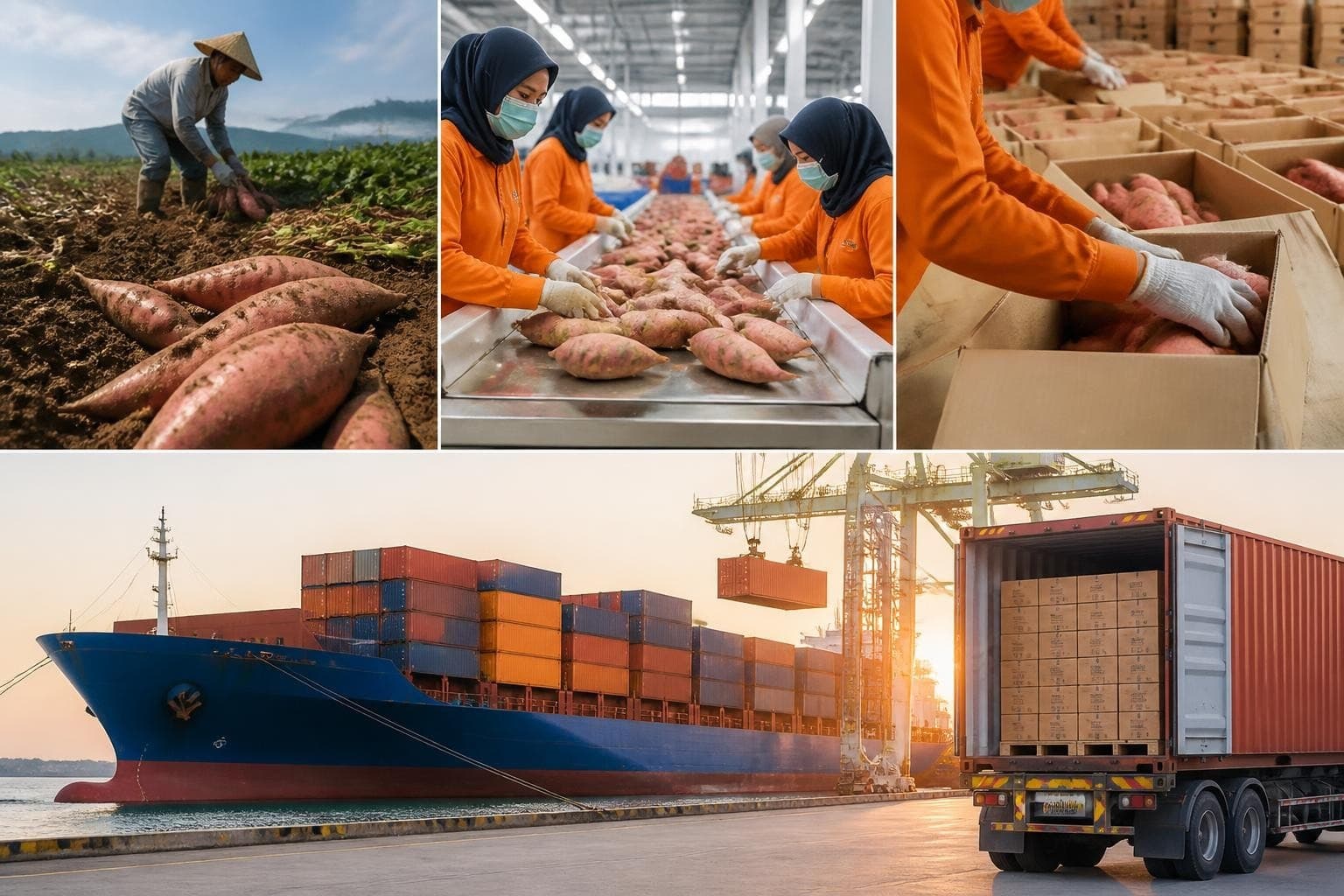
Sweet Potatoes Supplier Indonesia: Quality & Export Guide
Find reliable sweet potatoes supplier Indonesia offering premium export quality. Learn about sourcing, grading, logistics, and partnerships.
Read article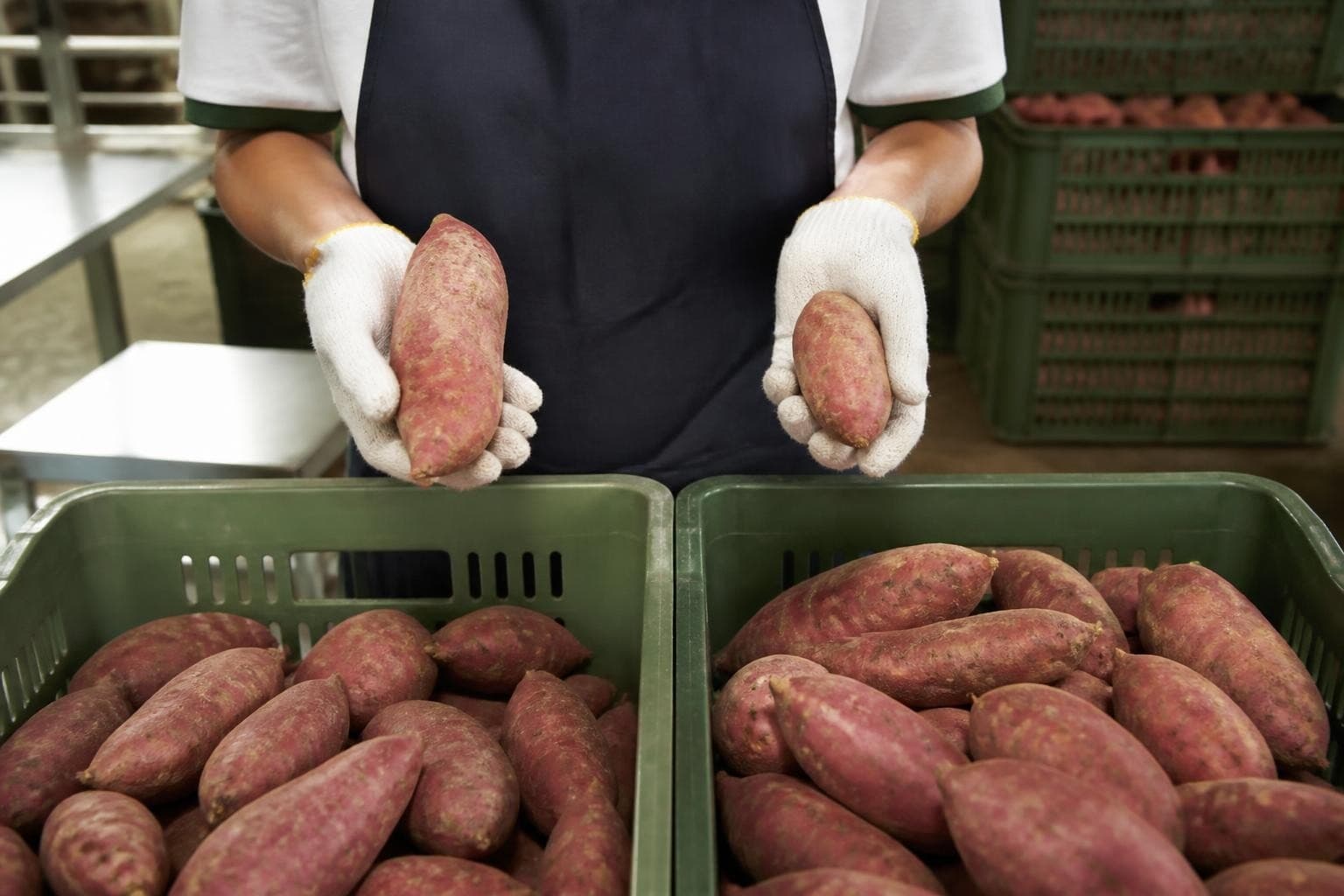
Sweet Potatoes Grading Guide for International Buyers
Comprehensive sweet potatoes grading guide for exporters and importers. Learn USDA standards, size classification, defect tolerance, and quality control.
Read article