
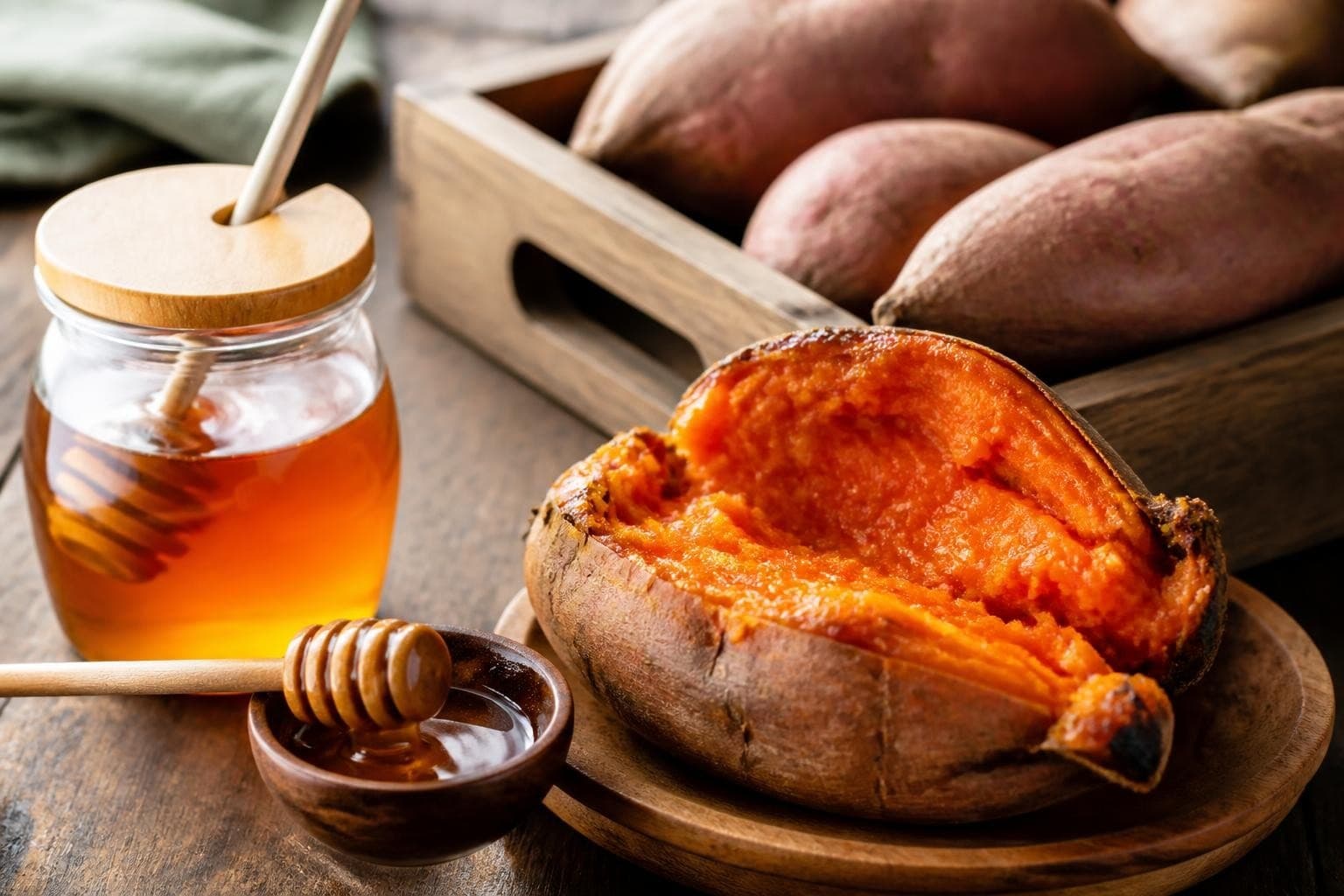
Discover why honey sweet potato dishes are trending globally. Learn nutritional benefits, preparation methods, and export opportunities in 2026.
The honey sweet potato combination represents one of the most nutritionally powerful and commercially viable pairings in the global produce market. As consumer demand shifts toward natural, nutrient-dense foods, this golden duo has captured the attention of health-conscious buyers, culinary professionals, and international distributors seeking premium ingredients. The marriage of sweet potato's complex carbohydrates and fiber with honey's antioxidants and natural enzymes creates a synergistic relationship that delivers exceptional taste alongside measurable health benefits. For Indonesian exporters and their global partners, understanding the science, market dynamics, and preparation versatility of honey sweet potato offerings provides a competitive edge in an increasingly sophisticated marketplace.
The Nutritional Foundation of Honey Sweet Potato Dishes
Sweet potatoes serve as nutritional powerhouses that form the foundation of this remarkable pairing. According to research on the health benefits of sweet potatoes, a single medium sweet potato contains over 400% of the daily vitamin A requirement, substantial fiber content, and essential minerals including potassium and manganese.
Key Nutritional Components:
- Beta carotene: Converts to vitamin A for immune function and vision health
- Dietary fiber: Supports digestive health and blood sugar regulation
- Vitamin C: Enhances immune response and collagen production
- Potassium: Maintains healthy blood pressure levels
- Complex carbohydrates: Provides sustained energy release
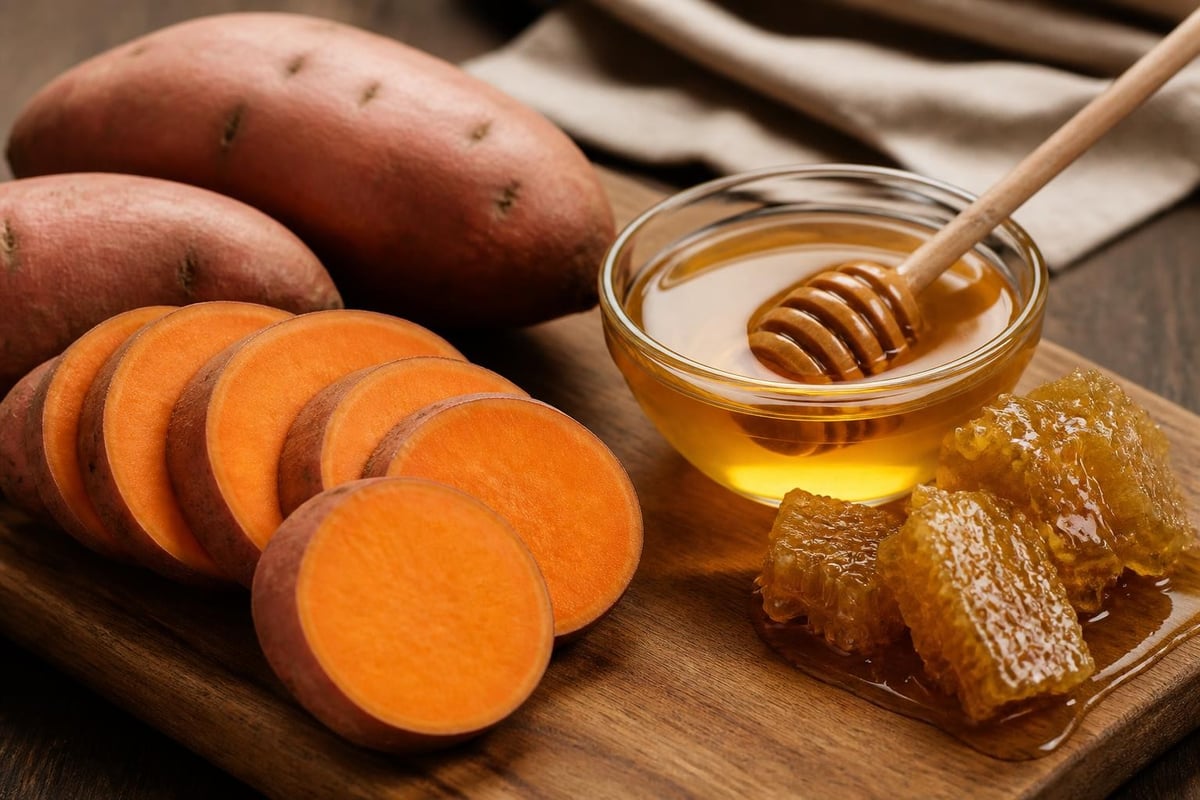
When combined with honey, these benefits multiply. The nutritional profile and health benefits of honey include powerful antioxidants, trace minerals, and enzymatic properties that enhance nutrient absorption. This creates a honey sweet potato synergy that appeals to premium market segments.
Understanding the Quality Parameters
For export markets, quality parameters determine pricing and buyer retention. Indonesian producers working with companies like those featured on PT Cakra Baja Niaga's platform must understand these specifications:
| Quality Factor | Premium Grade | Standard Grade | Impact on Honey Sweet Potato Use |
|---|---|---|---|
| Brix Level | 8-10° | 6-8° | Higher natural sweetness reduces honey needed |
| Moisture Content | 65-70% | 70-75% | Affects roasting time and caramelization |
| Firmness | High density | Medium density | Determines cooking method selection |
| Color Uniformity | Deep orange | Variable orange | Influences visual presentation |
The honey sweet potato combination performs best when base ingredients meet premium standards. Sweet potatoes with higher Brix levels naturally complement honey's sweetness without overwhelming dishes, while optimal moisture content ensures proper caramelization during cooking processes.
Culinary Applications Driving Global Demand
The versatility of honey sweet potato preparations has expanded dramatically across international markets. From Asian fusion restaurants to health-focused cafés in Europe and North America, chefs and food manufacturers are incorporating this combination into diverse applications.
Restaurant and Foodservice Sector
Professional kitchens value honey sweet potato for its reliability and customer appeal. The pairing works across multiple cuisines:
- Asian preparations: Korean-style side dishes featuring glazed honey sweet potato cubes
- Western applications: Honey-roasted sweet potato wedges as premium accompaniments
- Middle Eastern fusion: Spiced honey sweet potato mash with tahini
- Latin American adaptations: Honey sweet potato purées in modern dessert presentations
Each application requires specific sweet potato characteristics. Export-grade produce from West Java's volcanic soils delivers the density and sugar content that professional buyers demand for consistent results.
Retail and Consumer Markets
Direct-to-consumer channels have embraced honey sweet potato products. Prepared food sections in supermarkets across developed markets now feature:
- Ready-to-heat honey glazed sweet potato trays
- Frozen honey sweet potato purées for quick side dishes
- Dehydrated honey sweet potato chips as healthy snacks
- Pre-seasoned honey sweet potato cubes for meal kits
This retail expansion creates opportunities for Indonesian exporters who can maintain cold chain integrity and deliver consistent sizing. The benefits of sweet potatoes resonate with consumers seeking functional foods, driving premium pricing for quality produce.
Processing Methods That Preserve Value
Sweet potato processing for honey-based preparations requires careful technique to maintain nutritional integrity while achieving desired textures and flavors. Understanding these methods helps exporters align with buyer specifications and quality expectations.
Preparation Techniques for Different Applications
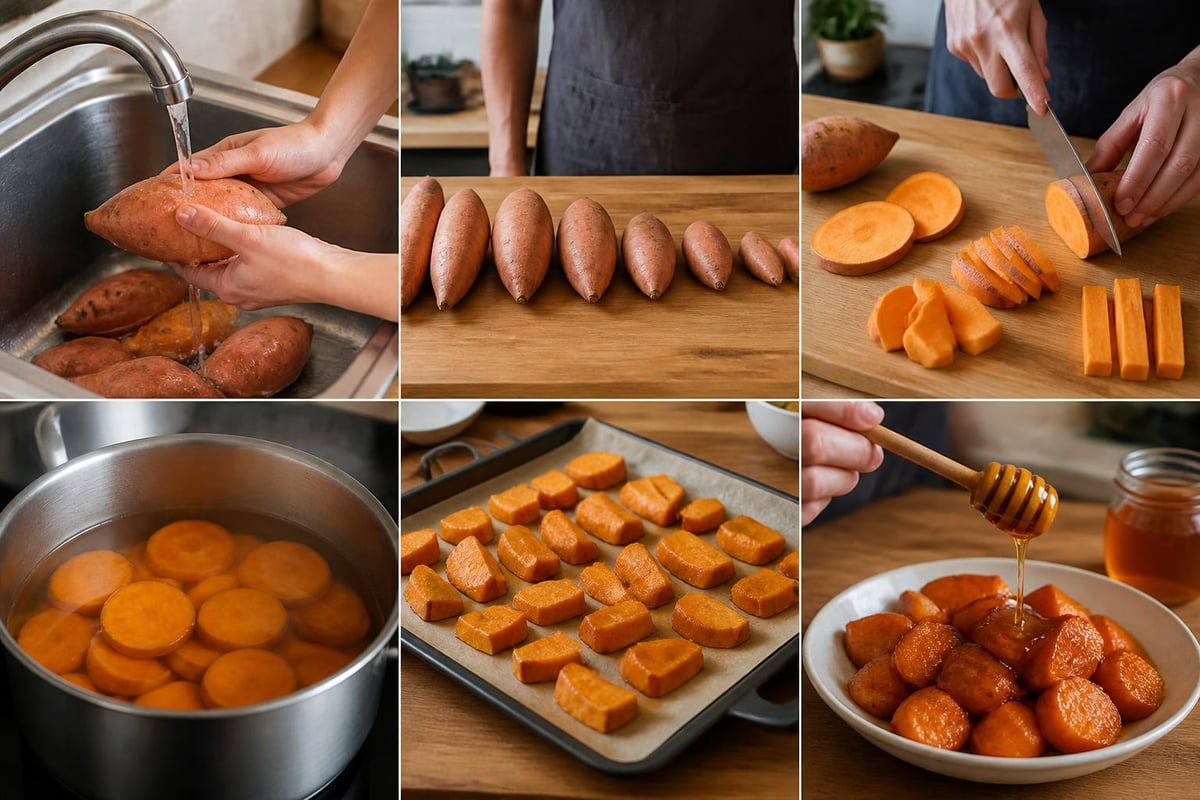
The honey sweet potato cooking method significantly impacts final product characteristics:
Roasting produces: Deep caramelization, concentrated sweetness, firm texture retention. Optimal for whole or large-cut pieces where honey glazing occurs in final cooking stages. Temperature range: 375-425°F for 35-50 minutes depending on size.
Steaming delivers: Preserved nutrients, subtle flavor profile, soft texture. Preferred for purées and products where honey incorporation happens post-cooking. This method maintains the integrity discussed in resources about whether sweet potatoes are healthy.
Boiling offers: Quick preparation, maximum softness, reduced natural sugars. Less common for honey sweet potato applications due to nutrient loss and excess moisture affecting honey adhesion.
| Method | Nutrient Retention | Texture Profile | Best Honey Application | Export Suitability |
|---|---|---|---|---|
| Roasting | 85-90% | Firm, caramelized | Glaze during cooking | High - ships well |
| Steaming | 95-98% | Soft, moist | Mix after cooling | Medium - requires quick cold chain |
| Baking | 88-92% | Variable by cut | Drizzle before/after | High - maintains structure |
| Frying | 75-80% | Crispy exterior | Light coating post-fry | Medium - oil content concerns |
Industrial Processing Considerations
Large-scale honey sweet potato production for export markets involves additional complexity. Processing facilities must balance efficiency with quality preservation:
- Sorting systems: Automated grading by size ensures uniform cooking times
- Washing protocols: Remove field soil without damaging skin integrity
- Cutting precision: Consistent dimensions for even heat distribution
- Cooling management: Rapid temperature reduction prevents overcooking
- Honey application: Timing determines glaze adhesion and shelf stability
Indonesian suppliers partnering with experienced export companies understand these technical requirements. The expertise available through platforms like the PT Cakra Baja Niaga blog helps producers meet international processing standards.
Market Trends Shaping Honey Sweet Potato Demand
The global market for premium sweet potato products has evolved significantly, with honey sweet potato combinations positioned at the intersection of several major consumer trends driving purchasing decisions in 2026.
Health and Wellness Movement
Consumers increasingly view food as medicine, seeking ingredients with demonstrable health benefits. The honey sweet potato pairing addresses multiple wellness priorities:
Immune support: Both ingredients contain compounds that support immune function, particularly relevant in post-pandemic markets where immunity remains a purchasing consideration.
Digestive health: Sweet potato fiber combined with honey's prebiotic properties supports gut microbiome health, a rapidly growing consumer interest area.
Energy management: The complex carbohydrates in sweet potatoes provide sustained energy release, while honey offers quick-acting natural sugars for balanced energy profiles.
Anti-inflammatory properties: Antioxidants in both honey and sweet potatoes help reduce systemic inflammation, appealing to aging populations and athletes.
Clean Label and Transparency
Modern buyers demand ingredient transparency and minimal processing. Honey sweet potato products align perfectly with clean label requirements:
- Two recognizable ingredients with no artificial additives
- Simple preparation methods consumers understand
- Natural sweetness eliminating refined sugar needs
- Whole food origins with traceable supply chains
- No preservatives required when properly handled
For Indonesian exporters, this trend creates premium pricing opportunities. Buyers pay significantly more for products with verified origins, sustainable farming practices, and transparent supply chains.
Convenience Without Compromise
Time-pressed consumers seek convenient options that don't sacrifice nutritional quality. Honey sweet potato products deliver both:
- Pre-cut portions reduce preparation time
- Pre-glazed options eliminate multiple ingredients
- Frozen formats extend shelf life without preservatives
- Simple heating instructions enable quick meal solutions
The convenience factor drives volume in developed markets where dual-income households prioritize time efficiency alongside health considerations.
Export Specifications and Quality Standards
International buyers maintain strict specifications for sweet potatoes destined for honey-based preparations. Understanding these requirements prevents rejections and builds long-term buyer relationships.
Physical Specifications
Size requirements vary by market:
- North American buyers: Prefer medium to large (150-300g each)
- European markets: Accept smaller sizes (100-200g each)
- Asian destinations: Variable based on application (80-250g each)
- Middle Eastern buyers: Larger sizes for family-style preparations (200-350g each)
Appearance standards include:
- Smooth skin without excessive scarring
- Uniform orange color throughout flesh
- No green discoloration or sprouting
- Minimal surface blemishes
- Firm texture without soft spots
Chemical and Safety Requirements
Export-grade sweet potatoes must comply with importing country regulations:
- Pesticide residue limits: Maximum residue levels (MRLs) vary by destination
- Heavy metal testing: Lead, cadmium, arsenic within acceptable ranges
- Microbiological standards: Absence of harmful pathogens
- Allergen declarations: Proper labeling for potential cross-contamination
- Traceability documentation: Full supply chain visibility from farm to port
Indonesian producers working through established export channels benefit from quality assurance systems that ensure compliance across multiple destination markets.
Storage and Handling Best Practices
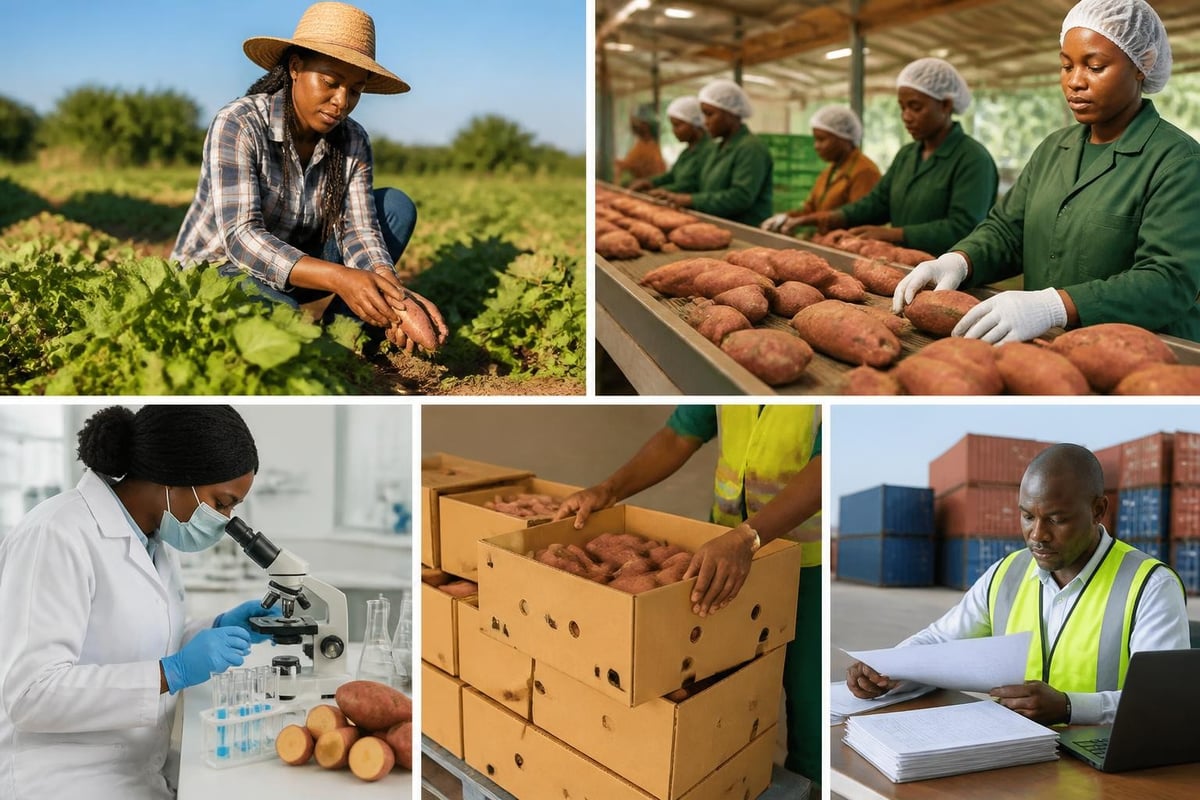
Proper post-harvest handling determines whether sweet potatoes reach international buyers in optimal condition for honey sweet potato preparations. Temperature, humidity, and timing all impact final quality.
Curing Process Importance
Fresh-harvested sweet potatoes require curing before export:
Curing parameters:
- Temperature: 85-90°F (29-32°C)
- Humidity: 85-95%
- Duration: 4-7 days
- Ventilation: Adequate airflow without drafts
This process heals minor harvest wounds, converts starches to sugars, and develops the sweetness that complements honey applications. Properly cured sweet potatoes show enhanced flavor profiles and extended storage life.
Storage Conditions
Post-curing storage requirements:
- Temperature range: 55-60°F (13-16°C) optimal
- Relative humidity: 85-90%
- Air circulation: Gentle movement prevents moisture accumulation
- Duration limits: Maximum 6-8 months for premium quality
- Monitoring frequency: Weekly temperature and humidity checks
Deviations from these parameters cause quality deterioration. Temperatures below 50°F trigger chilling injury, while excessive heat accelerates sprouting and moisture loss.
Building Sustainable Supply Partnerships
The honey sweet potato market rewards consistent quality and reliable supply. International buyers prioritize suppliers who demonstrate operational excellence and partnership mentality.
Farm Partnership Models
Successful Indonesian exporters develop structured relationships with producer groups:
Contract farming arrangements:
- Pre-season variety selection aligned with buyer needs
- Technical support for optimal cultivation practices
- Quality premium payments incentivizing standards compliance
- Harvest scheduling coordinated with shipping capacity
- Transparent pricing mechanisms protecting both parties
These partnerships ensure consistent supply volumes and quality standards that meet international buyer expectations throughout the year.
Quality Assurance Systems
Comprehensive quality programs differentiate premium suppliers:
- Field monitoring: Regular crop inspections during growing season
- Harvest protocols: Trained workers using proper techniques
- Packing house standards: Clean facilities with temperature control
- Testing regimens: Regular sampling for chemical and physical parameters
- Documentation systems: Complete traceability from field to container
Buyers increasingly audit supplier operations, making robust quality systems essential for market access.
Pricing Dynamics and Market Intelligence
Understanding pricing factors helps exporters optimize returns while maintaining competitive positioning in global honey sweet potato ingredient markets.
Price Influencing Factors
Multiple variables affect sweet potato export pricing:
| Factor | Impact on Price | Mitigation Strategy |
|---|---|---|
| Seasonal availability | ±15-30% variation | Coordinate planting schedules |
| Quality grade | 20-40% premium for top tier | Invest in quality systems |
| Order volume | 10-15% discount for containers | Aggregate smaller producers |
| Destination market | 25-50% variance by region | Diversify buyer portfolio |
| Supply chain efficiency | 8-12% cost differential | Optimize logistics partners |
Premium honey sweet potato applications command higher prices than commodity markets. Buyers willing to pay 30-50% premiums seek guaranteed quality, consistent sizing, and reliable delivery schedules.
Market Entry Strategies
New exporters should consider phased market development:
Year 1: Establish quality credentials with smaller buyers, build operational systems, develop farm partnerships, create documentation protocols.
Year 2: Scale volumes with proven buyers, expand variety offerings, pursue additional certifications, enhance cold chain capabilities.
Year 3: Diversify destination markets, develop value-added offerings, strengthen buyer relationships, optimize pricing strategies.
This approach builds sustainable growth rather than risking reputation through premature scaling.
The honey sweet potato combination represents significant opportunity for Indonesian exporters who understand quality requirements, market dynamics, and buyer expectations. Success requires attention to cultivation practices, post-harvest handling, and partnership development that delivers consistent results. For importers, distributors, and retailers seeking reliable suppliers of premium sweet potatoes perfect for honey-based preparations, PT Cakra Baja Niaga offers direct access to West Java's finest produce with transparent supply chains and dependable quality assurance.
Looking to source premium Indonesian sweet potatoes?
PT Cakra Baja Niaga supplies export-grade Cilembu, Purple, and Murasaki varieties to buyers worldwide.
Continue reading
Sweet Potatoes Import Singapore Market Report
Explore Singapore’s sweet potato imports, leading suppliers, SFA requirements, pricing factors, and sourcing opportunities for Indonesian exporters.
Read article
Wholesale Sweet Potatoes Indonesia: B2B Export Guide 2026
Source premium wholesale sweet potatoes Indonesia for import. Quality standards, export logistics, varieties, pricing & supplier partnerships.
Read article
Sweet Potatoes Supplier Indonesia: Quality & Export Guide
Find reliable sweet potatoes supplier Indonesia offering premium export quality. Learn about sourcing, grading, logistics, and partnerships.
Read article