
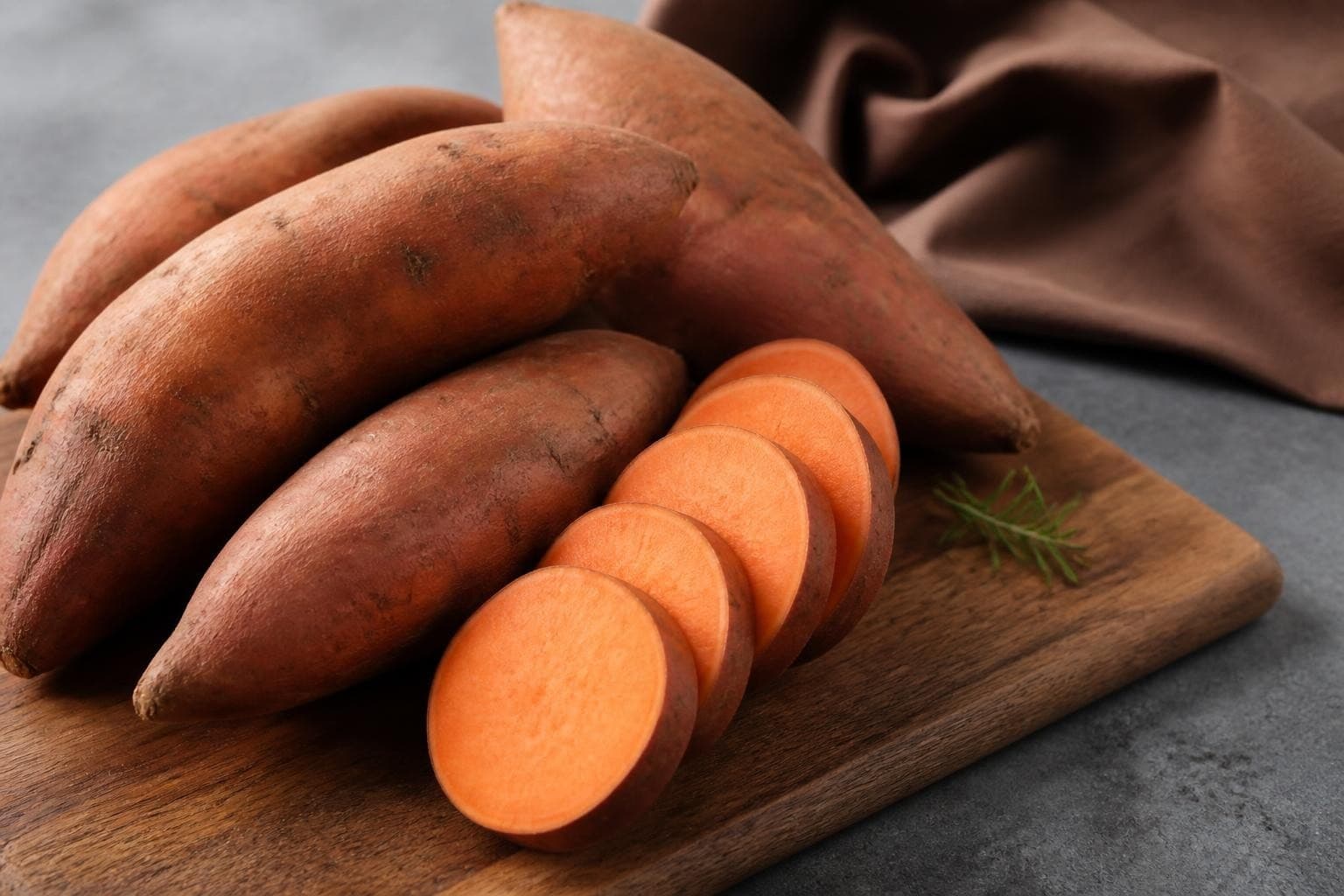
Discover the powerful nutrition profile of health sweet potatoes, from vitamins to fiber. Learn why importers prioritize these nutrient-dense roots.
Sweet potatoes have become increasingly popular in international food markets because they combine nutritional value, culinary versatility, and relatively good storage characteristics. For importers, distributors, retailers, and food manufacturers, sweet potatoes offer an attractive way to meet growing consumer interest in nutritious, naturally sourced foods.
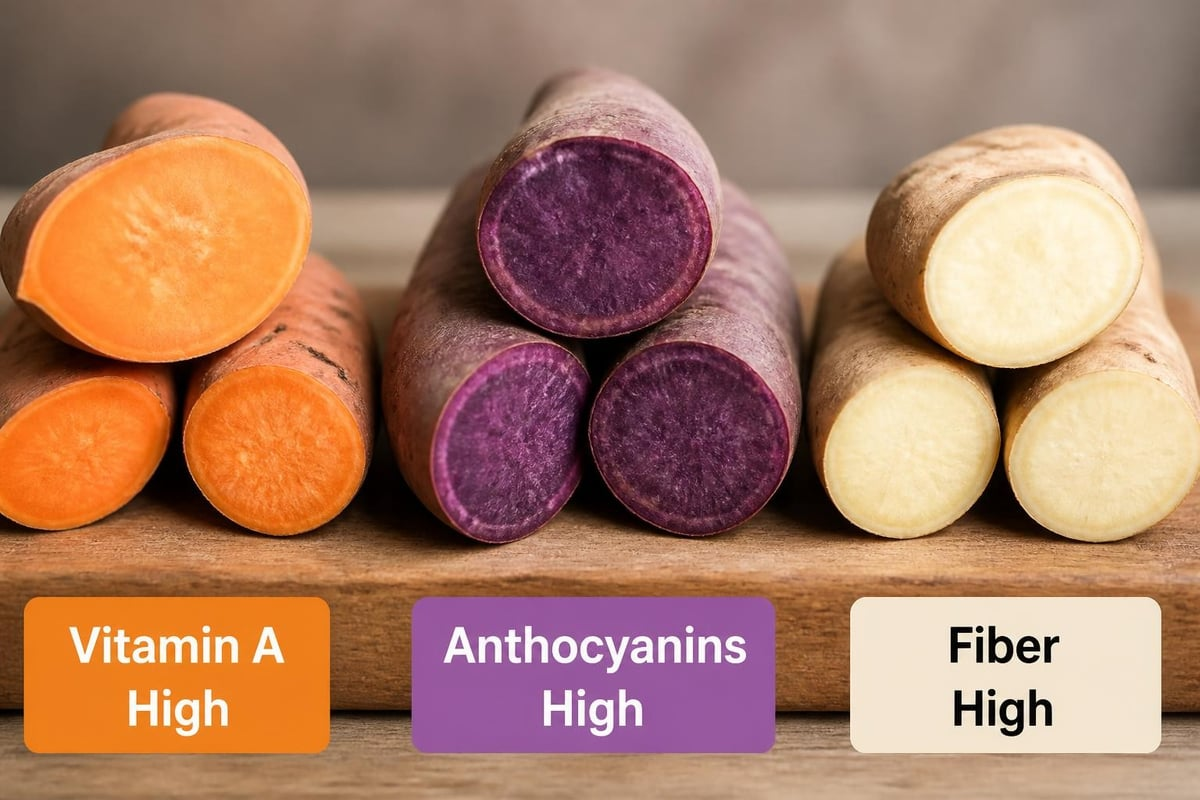
Orange-fleshed sweet potatoes are particularly well known for their beta-carotene content, while purple varieties contain anthocyanins and other naturally occurring plant compounds. Different varieties also provide distinct colors, flavors, textures, and cooking characteristics.
For international buyers, understanding the nutritional benefits and commercial applications of sweet potatoes can help with product selection, market positioning, and sourcing decisions.
Indonesia is an important agricultural origin in Southeast Asia, with West Java providing suitable conditions for sweet potato cultivation. PT Cakra Baja Niaga works with partner farms in West Java to supply Indonesian sweet potatoes to international buyers.
Nutritional Composition of Sweet Potatoes
Sweet potatoes provide carbohydrates, dietary fiber, vitamins, minerals, and naturally occurring antioxidant compounds. Their exact nutritional composition varies according to variety, growing conditions, maturity, and preparation method.
Key Nutritional Components
Sweet potatoes are particularly associated with:
-
Beta-carotene: Especially abundant in orange-fleshed varieties
-
Dietary fiber: Contributes to normal digestive function
-
Potassium: An essential mineral involved in normal muscle and nerve function
-
Vitamin C: Contributes to normal immune function and antioxidant protection
-
Manganese: Supports normal metabolic processes
-
Complex carbohydrates: Provide an important source of dietary energy
Orange-fleshed sweet potatoes are especially valuable as a source of beta-carotene, which the body can convert into vitamin A. Purple-fleshed varieties offer a different nutritional profile because of their anthocyanin content.
For importers, this variety allows different sweet potato products to be positioned toward different consumer preferences and food applications.
Health Benefits of Sweet Potatoes
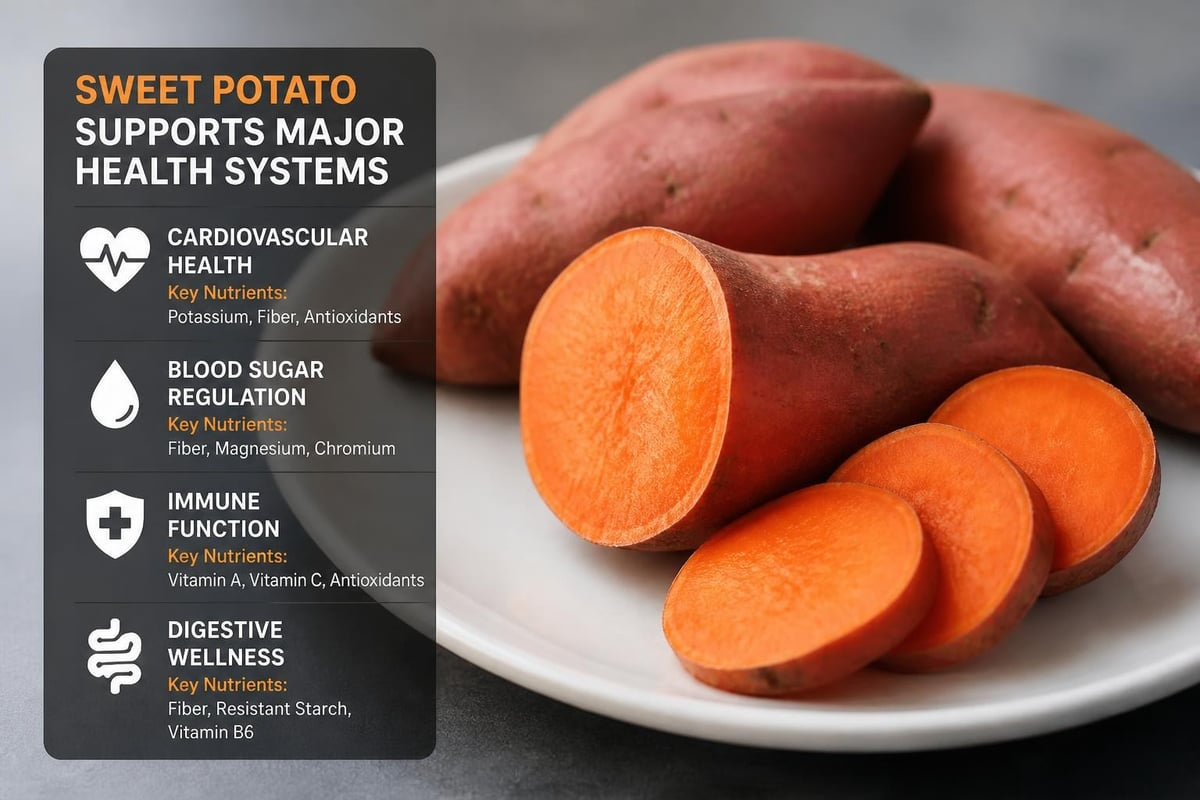
The nutritional composition of sweet potatoes makes them a useful component of a balanced diet. For retailers and food businesses, these characteristics can support responsible nutritional marketing without presenting sweet potatoes as a treatment for specific medical conditions.
Vision and Eye Health
Orange-fleshed sweet potatoes are naturally rich in beta-carotene. The body can convert beta-carotene into vitamin A, which plays an important role in maintaining normal vision.
This makes orange sweet potatoes an appealing product for consumers looking to increase their intake of naturally occurring carotenoids through whole foods.
The combination of their bright orange appearance and nutritional profile also provides retailers with a simple and recognizable product story.
Immune Function
Sweet potatoes contain nutrients involved in normal immune function, including vitamins A and C.
Vitamin A contributes to the maintenance of normal body tissues and immune defenses, while vitamin C contributes to normal immune function and helps protect cells from oxidative stress.
For international retailers, these nutritional characteristics fit naturally within broader healthy-eating and wellness trends.
Digestive Health and Fiber
Sweet potatoes also contribute dietary fiber to the diet. Adequate fiber intake is associated with normal digestive function and can help support a balanced diet.
Depending on the variety and preparation method, sweet potatoes may contain different amounts and types of fiber and resistant starch.
This makes them relevant to consumers interested in whole foods and fiber-rich diets.
Sweet Potatoes and Blood Sugar
Sweet potatoes contain carbohydrates and therefore affect blood glucose. However, the response can vary considerably depending on the variety, portion size, cooking method, and foods consumed alongside them.
Factors that can influence the glycemic response include:
-
Variety: Different cultivars have different starch and sugar compositions
-
Cooking method: Cooking changes the structure and digestibility of starch
-
Serving size: Larger portions contain more carbohydrate
-
Meal composition: Protein, fat, and fiber consumed with carbohydrates can influence the overall response
-
Processing: Mashing or pureeing can change how quickly carbohydrates are digested
For consumers managing diabetes or other metabolic conditions, dietary choices should be based on individualized professional advice.
For exporters and retailers, it is better to focus on the nutritional composition of sweet potatoes rather than making specific disease-related claims.
Antioxidants and Natural Plant Compounds
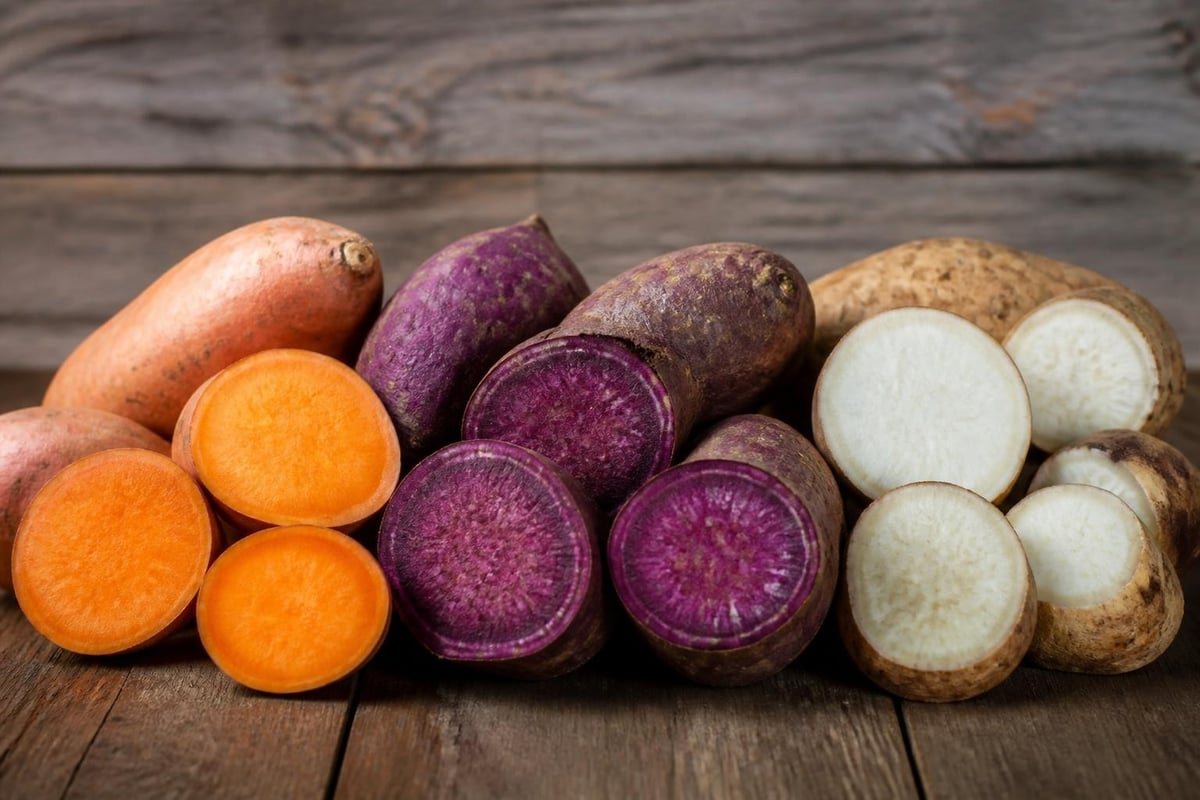
The different colors of sweet potatoes reflect differences in their naturally occurring plant compounds.
Orange Sweet Potatoes
Orange-fleshed varieties are particularly rich in carotenoids, including beta-carotene. These compounds contribute to their characteristic orange color.
Purple Sweet Potatoes
Purple varieties contain anthocyanins, naturally occurring pigments also found in foods such as berries and red cabbage.
White and Cream-Fleshed Sweet Potatoes
White and cream-fleshed varieties have their own nutritional profiles and naturally occurring plant compounds.
For importers, offering multiple varieties can therefore create opportunities to serve different culinary, retail, and consumer segments.
Quality Considerations for International Buyers
For international buyers, nutritional value is only one part of product quality. Proper harvesting, grading, handling, packaging, storage, and transportation are equally important.
Important Quality Indicators
Buyers should consider:
-
Firm, sound sweet potatoes
-
Intact skin
-
Minimal bruising, cuts, or decay
-
Consistent sizing
-
Appropriate maturity
-
Suitable post-harvest handling
-
Packaging appropriate for the destination market
Product specifications should be agreed upon before shipment, particularly for commercial orders involving specific size, grade, packaging, and quality requirements.
Buyers interested in Indonesian varieties can explore sweet potato varieties and sourcing information available through PT Cakra Baja Niaga.
Storage and Transportation
Sweet potatoes can have a relatively long storage life when handled under suitable conditions. However, storage requirements vary according to variety, maturity, curing, temperature, humidity, ventilation, and storage duration.
International shipments therefore require appropriate post-harvest and logistics planning.
For exporters and importers, maintaining stable handling conditions can help reduce:
-
Physical damage
-
Moisture loss
-
Decay
-
Sprouting
-
Quality deterioration
The correct logistics strategy should be determined according to the variety, destination, shipment duration, and buyer specifications.
Culinary Versatility and Market Applications
One of the major commercial advantages of sweet potatoes is their versatility.
They can be used in both sweet and savory dishes and are suitable for household, foodservice, retail, and food-processing applications.
Common applications include:
-
Roasted sweet potatoes
-
Steamed sweet potatoes
-
Boiled preparations
-
Sweet potato fries
-
Chips and snacks
-
Purees
-
Soups
-
Bakery products
-
Desserts
-
Baby-food products
-
Flour
-
Frozen products
This versatility allows importers to develop different products for different customer segments.
Value-Added Opportunities
Sweet potatoes can also serve as raw materials for value-added food products, including:
-
Sweet potato flour
-
Chips and dried snacks
-
Purees
-
Frozen products
-
Baby-food ingredients
-
Ready-to-cook products
-
Food manufacturing ingredients
Purple varieties can provide additional opportunities where naturally colored ingredients are desired.
Regional Market Opportunities
Consumer preferences vary between international markets, so importers should select varieties according to their specific customers and applications.
| Region | Potential Product Focus | Key Considerations |
|---|---|---|
| North America | Orange and purple | Nutrition and specialty produce |
| Europe | Orange, white, and specialty varieties | Quality, traceability, sustainability |
| Middle East | Orange and premium varieties | Appearance, consistency, size |
| Asia-Pacific | Purple and Japanese-style varieties | Taste, texture, familiarity |
These are broad market considerations rather than fixed rules. Individual importers may have different specifications based on their retail, foodservice, or processing requirements.
Sustainable and Reliable Sourcing
International buyers increasingly consider supply-chain transparency and responsible sourcing when selecting agricultural suppliers.
Important considerations include:
-
Transparent relationships with farming partners
-
Traceability
-
Responsible agricultural practices
-
Quality-control procedures
-
Consistent supply planning
-
Reliable export documentation
-
Long-term commercial relationships
Working directly with an exporter that maintains relationships with producing farms can provide buyers with greater visibility into sourcing and production.
PT Cakra Baja Niaga works with partner farms in West Java and focuses on developing reliable sourcing relationships for international buyers.
Export Requirements for Indonesian Sweet Potatoes
International sweet potato shipments must comply with the requirements of the destination country.
Depending on the market, buyers may need:
-
Phytosanitary certification
-
Pesticide-residue compliance
-
Traceability documentation
-
Country-of-origin documentation
-
Product specifications
-
Packaging and labeling compliance
-
Import permits or plant-health documentation
Requirements differ between countries and can change over time. Importers should confirm current requirements with the relevant authorities in their destination market.
Experienced exporters can help coordinate documentation and shipment preparation to support smoother international transactions.
Frequently Asked Questions
Are sweet potatoes healthy?
Yes. Sweet potatoes provide carbohydrates, dietary fiber, vitamins, minerals, and naturally occurring plant compounds. Their nutritional profile varies by variety and preparation method.
Which sweet potatoes contain the most beta-carotene?
Orange-fleshed sweet potatoes are generally particularly rich in beta-carotene. Exact levels vary by cultivar and growing conditions.
Are purple sweet potatoes healthy?
Purple sweet potatoes can be a nutritious food and are notable for their anthocyanin content. They also provide different visual and culinary characteristics compared with orange varieties.
Can sweet potatoes be exported from Indonesia?
Yes. Indonesian sweet potatoes can be supplied to international markets subject to the requirements of the destination country, product availability, variety, quantity, and quality specifications.
How can I buy sweet potatoes from Indonesia?
International buyers can provide their preferred variety, size, grade, quantity, packaging requirements, and destination. This allows the exporter to determine availability and prepare an appropriate commercial proposal.
Conclusion
Sweet potatoes combine nutritional value, culinary versatility, and commercial flexibility, making them an attractive product for international fresh-produce and food markets.
Orange-fleshed varieties are particularly valued for their beta-carotene content, while purple varieties offer distinctive pigmentation and anthocyanins. Different varieties can therefore serve different consumer preferences and food applications.
For international buyers, successful sourcing requires more than focusing on nutritional benefits. Variety selection, quality specifications, post-harvest handling, packaging, storage, logistics, documentation, and supplier reliability all contribute to a successful import program.
Indonesia offers strong potential as a sourcing origin, with West Java providing an established agricultural base for sweet potato production.
PT Cakra Baja Niaga works with partner farms in West Java to supply Indonesian sweet potatoes to international buyers, focusing on consistent quality, reliable sourcing, and professional export coordination.
Looking for a sweet potato supplier from Indonesia? Contact PT Cakra Baja Niaga with your preferred variety, size, grade, quantity, packaging requirements, and destination to discuss your sourcing requirements.
Looking to source premium Indonesian sweet potatoes?
PT Cakra Baja Niaga supplies export-grade Cilembu, Purple, and Murasaki varieties to buyers worldwide.
Continue reading
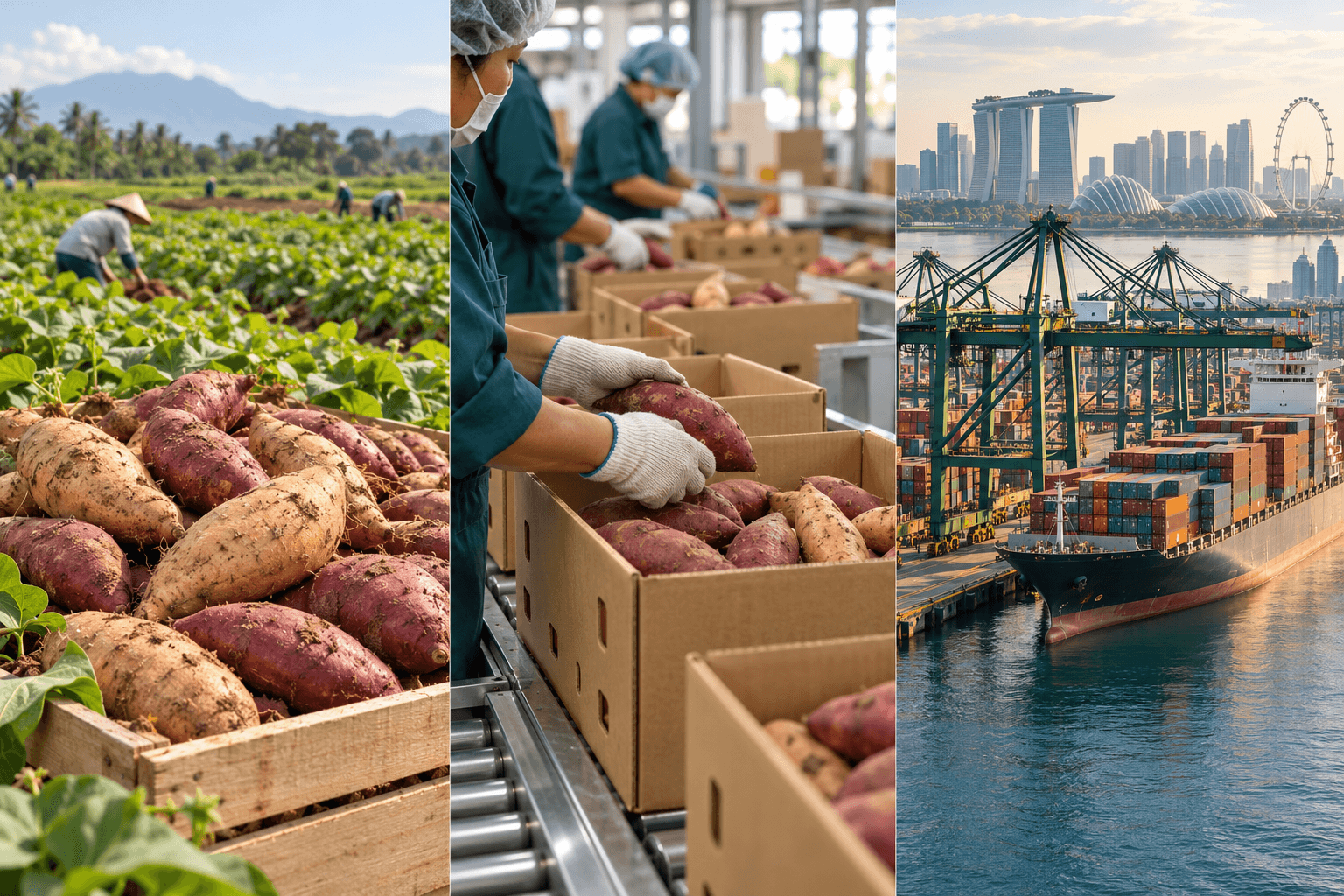
Sweet Potatoes Import Singapore Market Report
Explore Singapore’s sweet potato imports, leading suppliers, SFA requirements, pricing factors, and sourcing opportunities for Indonesian exporters.
Read article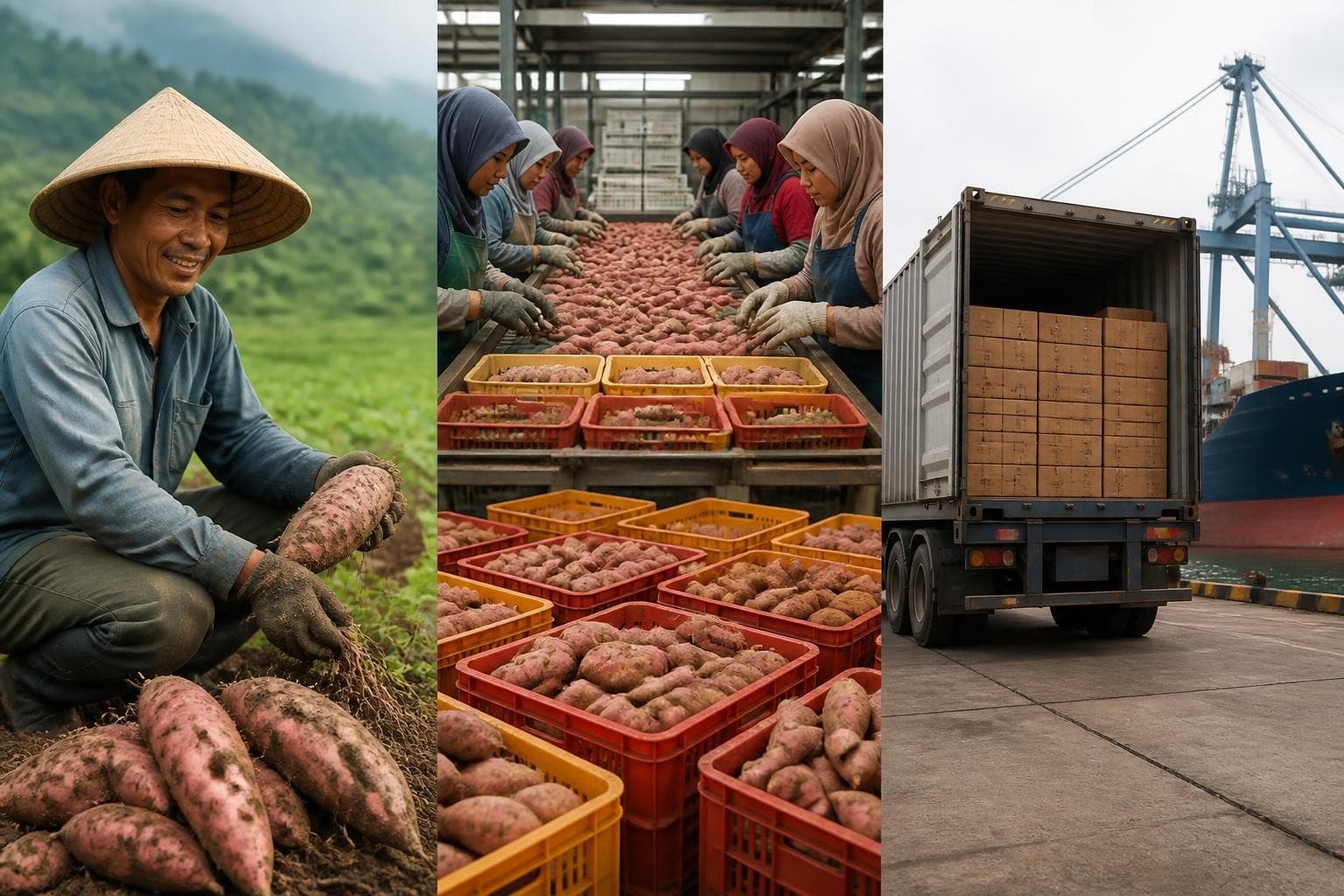
Wholesale Sweet Potatoes Indonesia: B2B Export Guide 2026
Source premium wholesale sweet potatoes Indonesia for import. Quality standards, export logistics, varieties, pricing & supplier partnerships.
Read article
Sweet Potatoes Supplier Indonesia: Quality & Export Guide
Find reliable sweet potatoes supplier Indonesia offering premium export quality. Learn about sourcing, grading, logistics, and partnerships.
Read article