
Export Quality Sweet Potatoes: Standards & Best Practices
Comprehensive guide to export quality sweet potatoes: grading standards, postharvest handling, phytosanitary requirements, and packaging best practices.
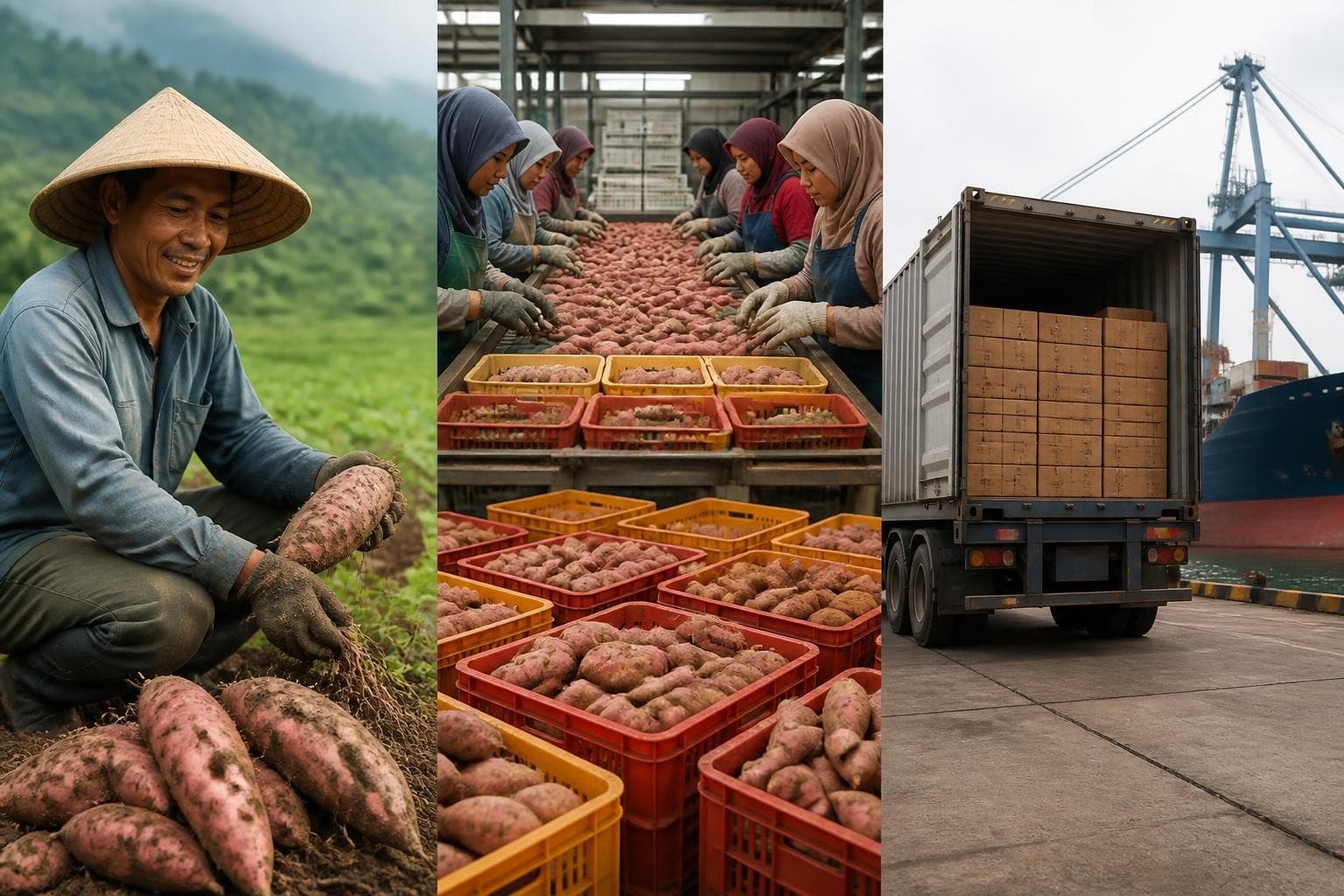
International buyers seeking export quality sweet potatoes face a complex landscape of grading standards, phytosanitary regulations, and postharvest protocols that directly impact product shelf life, market acceptance, and commercial success. For importers, distributors, and food manufacturers, understanding what separates premium export-grade sweet potatoes from standard commercial products is essential for building reliable supply chains and meeting consumer expectations. Indonesian exporters like PT Cakra Baja Niaga work within stringent frameworks to deliver consistently high-quality roots that satisfy both regulatory requirements and end-user specifications across diverse international markets.
Defining Export Quality in Sweet Potatoes
Export quality sweet potatoes must meet multiple criteria simultaneously: physical appearance, structural integrity, nutritional profile, food safety compliance, and documented traceability. Unlike domestic market standards, export specifications typically demand stricter tolerances for defects, more rigorous sizing consistency, and comprehensive phytosanitary certification.
Physical and Visual Standards
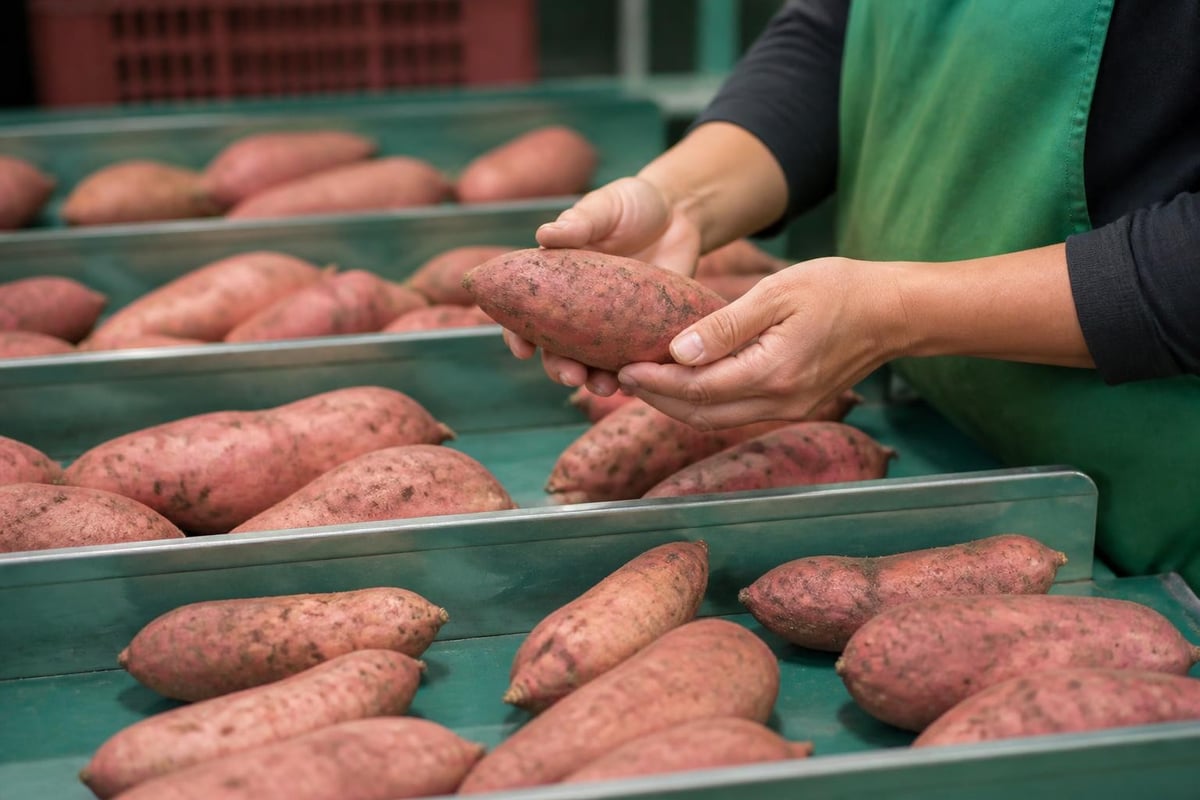
Premium export-grade roots exhibit uniform shape, smooth skin free from major blemishes, and consistent color characteristic of the variety. Size uniformity matters significantly because downstream buyers-whether supermarket chains or food processors-require predictable dimensions for packaging efficiency and consumer presentation.
Key physical parameters include:
- Diameter: Typically 50-90mm for retail markets, with tighter ranges (60-80mm) preferred by premium importers
- Length: 100-200mm for most varieties, avoiding excessively long or short roots
- Weight: Individual root weight between 150-400 grams for retail; larger sizes acceptable for processing
- Shape: Well-formed roots without excessive branching, tapering, or irregular bulges
Surface defects receive particular scrutiny. Export quality sweet potatoes should be free from cuts, bruises, growth cracks, insect damage, and disease symptoms. The USDA Agricultural Marketing Service grade standards provide detailed defect tolerance specifications that many international buyers reference when establishing purchase agreements.
Internal Quality Attributes
Beyond external appearance, internal quality determines consumer satisfaction and repeat purchase rates. Flesh color, texture after cooking, dry matter content, and sweetness level all contribute to marketability.
Different varieties serve different market segments. Orange-fleshed varieties like Beauregard typically contain 15-18% dry matter and high beta-carotene levels. Purple-fleshed varieties such as those commonly grown in Indonesia feature anthocyanin compounds valued by health-conscious consumers and specialty food manufacturers.
| Quality Parameter | Export Standard | Testing Method |
|---|---|---|
| Dry matter content | ≥20% for premium grades | Oven-drying at 105°C |
| Brix (sweetness) | ≥8° after curing | Refractometer measurement |
| Flesh defects | <5% by weight | Visual inspection of cross-sections |
| Sprouting | Zero tolerance | Visual inspection |
| Internal necrosis | Zero tolerance | Sample cutting |
Postharvest Handling Protocols
The journey from harvest to export container determines whether sweet potatoes maintain export quality throughout the supply chain. Improper handling during the critical first 72 hours after harvest causes more quality loss than any other factor.
Curing: The Foundation of Quality Preservation
Curing represents the single most important postharvest intervention for export quality sweet potatoes. This controlled healing process allows roots to develop a protective corky layer over harvest wounds and surface abrasions while reducing respiration rates and water loss.
Standard curing parameters:
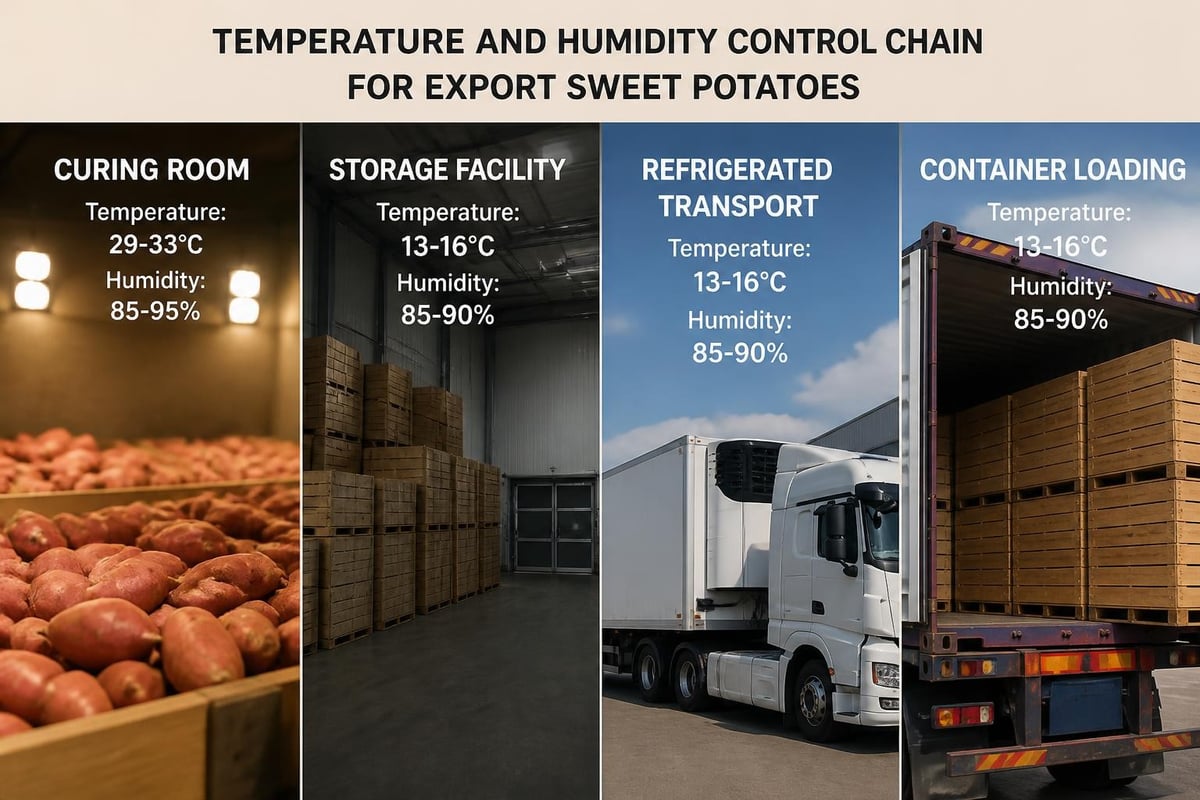
- Temperature: 28-30°C (82-86°F)
- Relative humidity: 85-90%
- Duration: 5-7 days
- Ventilation: Moderate airflow to prevent CO₂ accumulation
Properly cured sweet potatoes develop significantly enhanced storage potential. Research documented by the International Potato Center demonstrates that cured roots maintain firmness and marketability 3-4 times longer than uncured roots under equivalent storage conditions.
Indonesia's tropical climate requires careful curing facility design. Farms in West Java often utilize specialized curing rooms with humidity control systems to achieve optimal conditions despite external weather variability.
Temperature and Humidity Management
Following curing, storage temperature becomes the primary determinant of shelf life. Export quality sweet potatoes require precise temperature control throughout the supply chain.
Recommended storage conditions vary slightly by destination market and transit duration:
- Short-term storage (2-4 weeks): 13-15°C, 85-90% RH
- Medium-term storage (1-3 months): 13-14°C, 85-90% RH
- Long-term storage (3-6 months): 12-13°C, 85-90% RH
Temperature below 12°C triggers chilling injury, manifesting as internal discoloration, altered flavor, and increased susceptibility to decay organisms. Conversely, temperatures above 16°C accelerate sprouting and weight loss. The NC State Extension postharvest handling guide provides comprehensive technical specifications for commercial storage facility design.
Phytosanitary Compliance and Certification
International plant health regulations govern sweet potato exports to prevent pest and disease transmission across borders. Export quality sweet potatoes must satisfy destination-specific phytosanitary requirements documented through official certification processes.
International Standards Framework
The International Plant Protection Convention establishes globally recognized standards (ISPMs) that form the foundation for bilateral phytosanitary agreements. Key standards relevant to sweet potato exports include:
- ISPM 12: Phytosanitary certificates
- ISPM 15: Regulation of wood packaging material
- ISPM 31: Methodologies for sampling of consignments
- ISPM 36: Integrated measures for plants for planting
Each importing country applies these frameworks differently. European Union markets, for instance, require compliance with specific control measures for tuberous plants including mandatory inspection and sampling protocols.
Pest and Disease Monitoring
Export facilities must implement systematic monitoring for quarantine pests and regulated diseases. For Indonesian sweet potato exports, particular attention focuses on:
- Sweet potato weevil (Cylas formicarius)
- Sweet potato virus disease (SPVD)
- Root-knot nematodes (Meloidogyne spp.)
- Bacterial soft rot (Erwinia chrysanthemi)
Integrated pest management (IPM) programs at origin farms combined with rigorous packhouse inspections ensure that export quality sweet potatoes remain free from actionable pest damage. Indonesian harvest practices incorporate field inspections, prompt harvest timing to minimize soil pest exposure, and careful handling to prevent entry points for decay organisms.
Grading and Sorting Operations
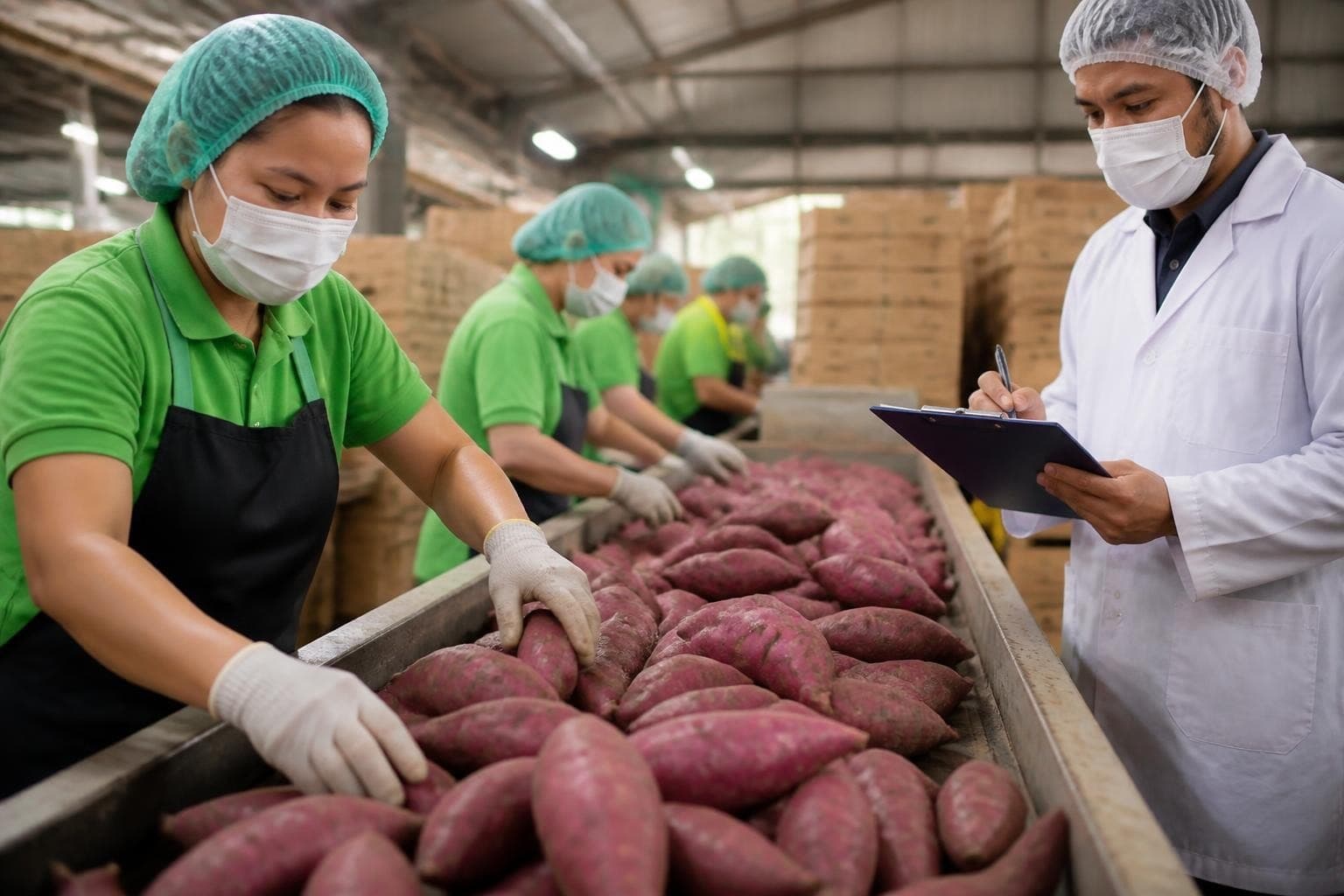
Professional grading transforms field-run sweet potatoes into consistent, specification-compliant export lots. Modern export facilities employ multi-stage sorting systems combining manual inspection with mechanical sizing equipment.
Multi-Stage Grading Process
Stage 1: Reception and preliminary cleaning
Incoming roots receive gentle washing to remove soil and reveal surface defects. Soaking in chlorinated water (50-100 ppm) reduces microbial load without compromising skin integrity.
Stage 2: Primary defect removal
Trained inspectors remove roots with serious defects: severe mechanical damage, disease symptoms, irregular shapes, or sizes outside specification ranges. This stage typically eliminates 15-25% of field-run volume.
Stage 3: Mechanical sizing
Roller graders or weight sorters separate roots into size categories matching buyer specifications. Precision sorting improves pack uniformity and reduces customer complaints.
Stage 4: Final quality inspection
Individual root examination ensures only premium specimens enter export packs. Inspectors verify:
- Skin condition and cleanliness
- Absence of sprouting or root growth
- Proper curing (healed harvest wounds)
- Varietal purity and color consistency
The resulting export quality sweet potatoes demonstrate remarkable uniformity. Professional importers recognize that consistent grading reduces handling costs, minimizes shrinkage, and supports premium retail pricing.
Packaging Systems for Export Markets
Packaging serves multiple functions: physical protection during transit, atmosphere modification to extend shelf life, marketing communication, and contamination prevention. Export quality sweet potatoes demand packaging solutions that balance these requirements while controlling costs.
Container and Material Selection
Corrugated cartons remain the dominant packaging format for sweet potato exports. Standard specifications include:
| Carton Type | Dimensions (mm) | Net Weight | Stacking Strength |
|---|---|---|---|
| 10kg retail | 400×300×280 | 10.0 kg | 200 kg |
| 18kg institutional | 530×350×280 | 18.0 kg | 250 kg |
| 20kg export | 550×350×300 | 20.0 kg | 300 kg |
Premium buyers increasingly request modified atmosphere packaging (MAP) or ventilated cartons designed for specific transit durations. Export packaging strategies must account for destination climate, handling infrastructure, and buyer preferences.
Material quality directly impacts product protection. Export-grade cartons utilize 3-ply or 5-ply corrugated board with burst strength ≥1200 kPa. Ventilation hole design balances airflow requirements with structural integrity.
Labeling and Traceability Information
Regulatory compliance requires comprehensive labeling. Export quality sweet potatoes carry labels documenting:
- Product identification: Common name, variety, grade
- Origin information: Country, region, farm/packhouse code
- Net weight: In kilograms or pounds per destination requirements
- Pack date and lot number: Enabling full traceability
- Handling instructions: Storage temperature, keep dry, orientation markers
- Destination-specific requirements: Importer details, regulatory codes
Traceability systems link individual cartons to field records, harvest dates, grading batch data, and phytosanitary certificates. This documentation proves essential when addressing quality claims or regulatory inquiries.
Quality Assurance and Testing Protocols
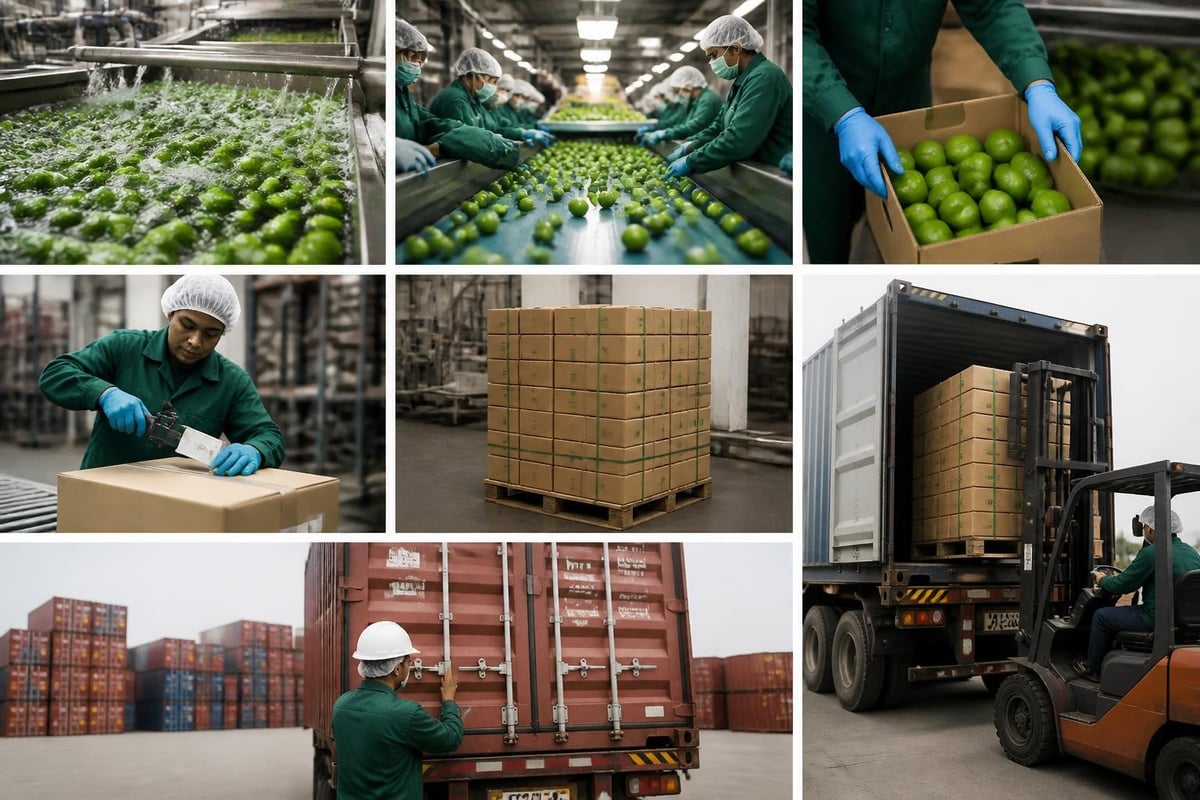
Systematic quality assurance programs distinguish professional exporters from commodity suppliers. Export quality sweet potatoes undergo multiple testing checkpoints from farm to export container.
Pre-Shipment Inspection Procedures
Independent or internal quality controllers conduct pre-shipment inspections verifying specification compliance. Standard inspection protocols include:
- Random sampling: Drawing representative samples from each lot (typically 5-10% of cartons)
- External examination: Verifying size, shape, skin condition, and freedom from defects
- Internal examination: Cutting sample roots to check flesh quality, internal defects, and pest damage
- Weight verification: Confirming net weights meet declared specifications
- Documentation review: Checking certificates, labels, and traceability records
Inspection results determine whether lots receive shipment authorization. Rejection rates for well-managed export programs typically remain below 2-3%, while facilities with inadequate quality systems may experience 10-15% rejection rates.
Continuous Improvement Systems
Leading exporters implement continuous improvement methodologies drawing on defect data analysis. Monthly reviews identify recurring quality issues-perhaps a specific farm shows higher defect rates, or particular handling points generate excessive bruising.
Data-driven improvements might include:
- Enhanced harvester training programs
- Modified packaging line equipment settings
- Adjusted curing protocols for specific varieties
- Improved field selection criteria
- Refined grading standards
This systematic approach builds the consistent performance that defines export quality sweet potatoes and supports long-term buyer relationships.
Market-Specific Requirements and Adaptations
Different destination markets impose unique requirements reflecting local preferences, regulatory frameworks, and competitive landscapes. Professional exporters adapt production and handling systems to match target market specifications.
Asian Markets
Asian importers, particularly in Japan, South Korea, and Singapore, typically prioritize:
- Premium appearance: Minimal surface defects, attractive skin color
- Specific varieties: Japanese purple sweet potato varieties like Murasaki command premium pricing
- Smaller sizing: 200-300 gram individual roots for retail
- Rigid packaging: High-quality presentation cartons with minimal product movement
Indonesian exports benefit from proximity advantages-shorter transit times preserve freshness and reduce logistics costs compared to competing origins.
Middle Eastern Markets
Middle Eastern buyers emphasize:
- Volume consistency and competitive pricing
- Larger sizing suitable for institutional and food service channels
- Extended shelf life to accommodate distribution chains
- Halal certification for processed or value-added products
Understanding these preferences allows Indonesian exporters to position offerings strategically and build market share in high-growth regions.
European Markets
European buyers require strict compliance with EU plant health regulations plus additional expectations around:
- Sustainability documentation: Certifications addressing environmental practices
- Residue testing: Maximum residue limits (MRLs) for agricultural chemicals
- Traceability: Farm-to-retail chain documentation
- Organic certification: Growing demand segment requiring specific production protocols
European markets reward suppliers who invest in comprehensive compliance systems and third-party certifications validating quality claims.
Varietal Selection and Quality Characteristics
Sweet potato variety directly influences quality attributes, market acceptance, and commercial value. Understanding varietal differences helps buyers match supply sources to end-use requirements.
Orange-Fleshed Varieties
Orange-fleshed sweet potatoes dominate international trade volumes. Popular export varieties include Beauregard, Covington, and Orleans, each offering distinct characteristics:
Beauregard demonstrates excellent yield potential, good storage life, and consistent copper-skin, orange-flesh appearance. Typical dry matter content reaches 22-24%, supporting both fresh market and processing applications.
Covington provides superior shape uniformity and attractive appearance, making it particularly suitable for premium retail programs. Slightly lower dry matter (20-22%) produces a moister eating quality preferred by some consumer segments.
Purple-Fleshed Varieties
Purple sweet potatoes command premium pricing in health-conscious markets due to high anthocyanin content. Indonesian production includes both Japanese-type purple varieties and locally-adapted selections.
These varieties offer unique positioning opportunities. Research on breeding and quality traits documents the nutritional advantages and functional properties that support marketing claims for purple-fleshed types.
Indonesian growers cultivate purple varieties particularly well-suited to tropical production conditions, creating competitive advantages for premium Indonesian sweet potatoes in specialty markets.
White and Cream-Fleshed Varieties
White-fleshed sweet potatoes serve specific market niches, particularly in Asian countries where starchy, less-sweet profiles align with traditional culinary uses. These varieties typically contain higher dry matter (25-30%) and lower sugar content than orange types.
Buyers seeking processing varieties for chips, flour, or starch extraction often prefer white-fleshed types due to superior dry matter yields and neutral flavor profiles.
Supply Chain Integration and Buyer Partnerships
Successful export quality sweet potato programs require coordinated partnerships spanning farms, packhouses, logistics providers, and destination importers. Vertical integration or close coordination across these chain segments ensures quality maintenance and cost efficiency.
Farm Partnership Models
Leading exporters like PT Cakra Baja Niaga establish formal partnership agreements with producing farms, typically including:
- Agronomic support: Technical assistance on variety selection, planting protocols, and crop management
- Input supply: Seeds, fertilizers, and crop protection materials meeting residue requirements
- Harvest coordination: Scheduling to match export container loading and optimal maturity
- Quality-based pricing: Premium payments for lots meeting superior quality standards
These partnerships create aligned incentives. Farmers receive technical support and price premiums, while exporters secure reliable supply of specification-compliant product.
Logistics and Cold Chain Management
Maintaining export quality sweet potatoes throughout international transit demands rigorous temperature control. The complete cold chain includes:
Packhouse to port: Refrigerated trucks maintaining 13-15°C
Container loading: Pre-cooled containers matching storage temperature
Ocean transit: Continuous monitoring and temperature recording
Destination handling: Cold storage immediately upon arrival
Monitoring systems using data loggers or IoT sensors provide continuous temperature records. This documentation protects against quality disputes and helps identify any cold chain failures requiring corrective action.
Understanding sweet potatoes shelf life for export helps buyers plan inventory rotation and distribution timing for optimal product quality at retail.
Documentation and Regulatory Compliance
International sweet potato trade generates substantial documentation requirements. Complete, accurate paperwork prevents shipment delays and facilitates smooth customs clearance.
Essential Export Documents
Standard documentation packages include:
- Commercial invoice: Detailed product description, quantities, values
- Packing list: Carton count, weights, container loading details
- Phytosanitary certificate: Official certification of plant health compliance
- Certificate of origin: Documenting product origin country
- Bill of lading: Transport contract and goods receipt
- Quality certificates: Laboratory test results, inspection reports
Additional documentation may include certificates of analysis, fumigation certificates (if required), insurance certificates, and letter of credit documents for specific payment terms.
Import Requirements by Destination
Buyers must understand sweet potatoes import requirements for their specific markets. Requirements vary significantly:
United States: APHIS import permit, phytosanitary certification, possible USDA inspection at port of entry
European Union: EU plant passport system compliance, prescribed inspection procedures
Japan: Plant quarantine inspection, specific documentation formats
Australia: Strict quarantine protocols, extensive pest risk assessments
Professional exporters maintain current knowledge of destination requirements and adjust documentation practices accordingly. How to import sweet potatoes from Indonesia requires understanding both origin-country export procedures and destination-country import regulations.
Risk Management and Quality Claims
Despite rigorous quality systems, occasional issues arise in international produce trade. Professional management of quality claims preserves buyer relationships and protects business reputation.
Common Quality Issues
Typical claim categories include:
- Condition defects: Decay, sprouting, or quality deterioration during transit
- Specification variance: Sizing, grading, or weight discrepancies
- Documentation errors: Certificate mistakes, labeling problems
- Contamination: Presence of foreign material or pest damage
Many claims result from cold chain failures during transportation or destination handling rather than inherent product defects at origin. Temperature monitoring data helps identify responsibility and supports claim resolution.
Claims Prevention Strategies
Proactive measures significantly reduce claim frequency:
Pre-shipment communication: Confirming specifications, timing, and special requirements
Detailed documentation: Photographs, inspection reports, temperature records
Conservative grading: Slightly exceeding minimum standards provides quality buffer
Buyer education: Helping customers understand proper handling and storage
Rapid response: Investigating claims promptly and professionally
Building reputation as a responsive, quality-focused supplier differentiates professional exporters in competitive markets.
Export quality sweet potatoes represent the convergence of careful varietal selection, precise postharvest handling, rigorous quality control, and comprehensive regulatory compliance. International buyers partnering with professional Indonesian exporters gain access to premium products backed by transparent supply chains and consistent quality performance. PT Cakra Baja Niaga works directly with certified partner farms in West Java to deliver export quality sweet potatoes that meet your specifications, timeline, and budget requirements-contact us today for quotations, samples, or detailed export program information tailored to your market.
Looking to source premium Indonesian sweet potatoes?
PT Cakra Baja Niaga supplies export-grade Cilembu, Purple, and Murasaki varieties to buyers worldwide.
Continue reading
Wholesale Sweet Potatoes Indonesia: B2B Export Guide 2026
Source premium wholesale sweet potatoes Indonesia for import. Quality standards, export logistics, varieties, pricing & supplier partnerships.
Read article
Sweet Potatoes Supplier Indonesia: Quality & Export Guide
Find reliable sweet potatoes supplier Indonesia offering premium export quality. Learn about sourcing, grading, logistics, and partnerships.
Read article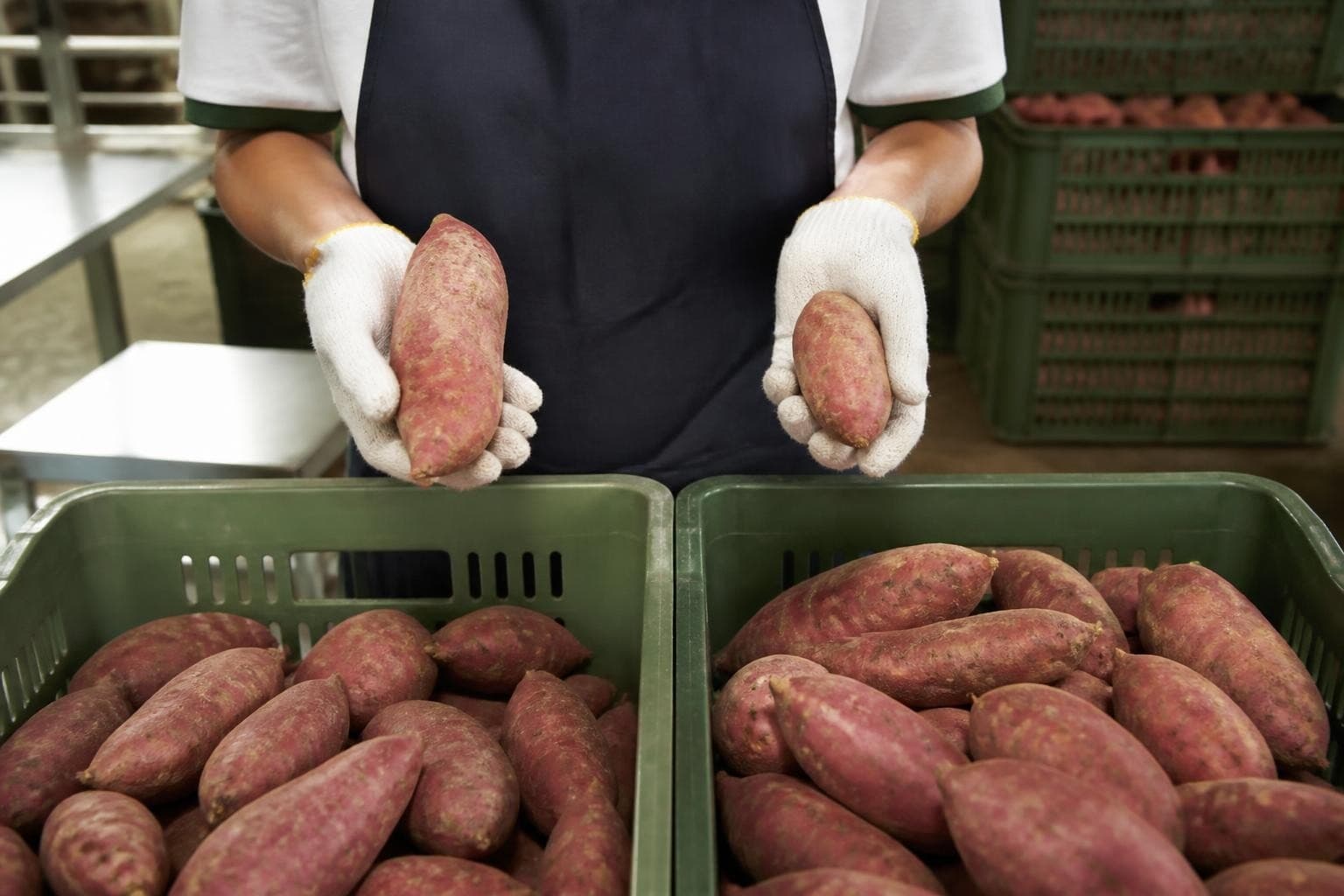
Sweet Potatoes Grading Guide for International Buyers
Comprehensive sweet potatoes grading guide for exporters and importers. Learn USDA standards, size classification, defect tolerance, and quality control.
Read article