
Colors of Sweet Potatoes: A Complete Guide for Importers
Discover the colors of sweet potatoes and their unique characteristics. Learn how orange, purple, white, and red varieties differ in flavor and use.
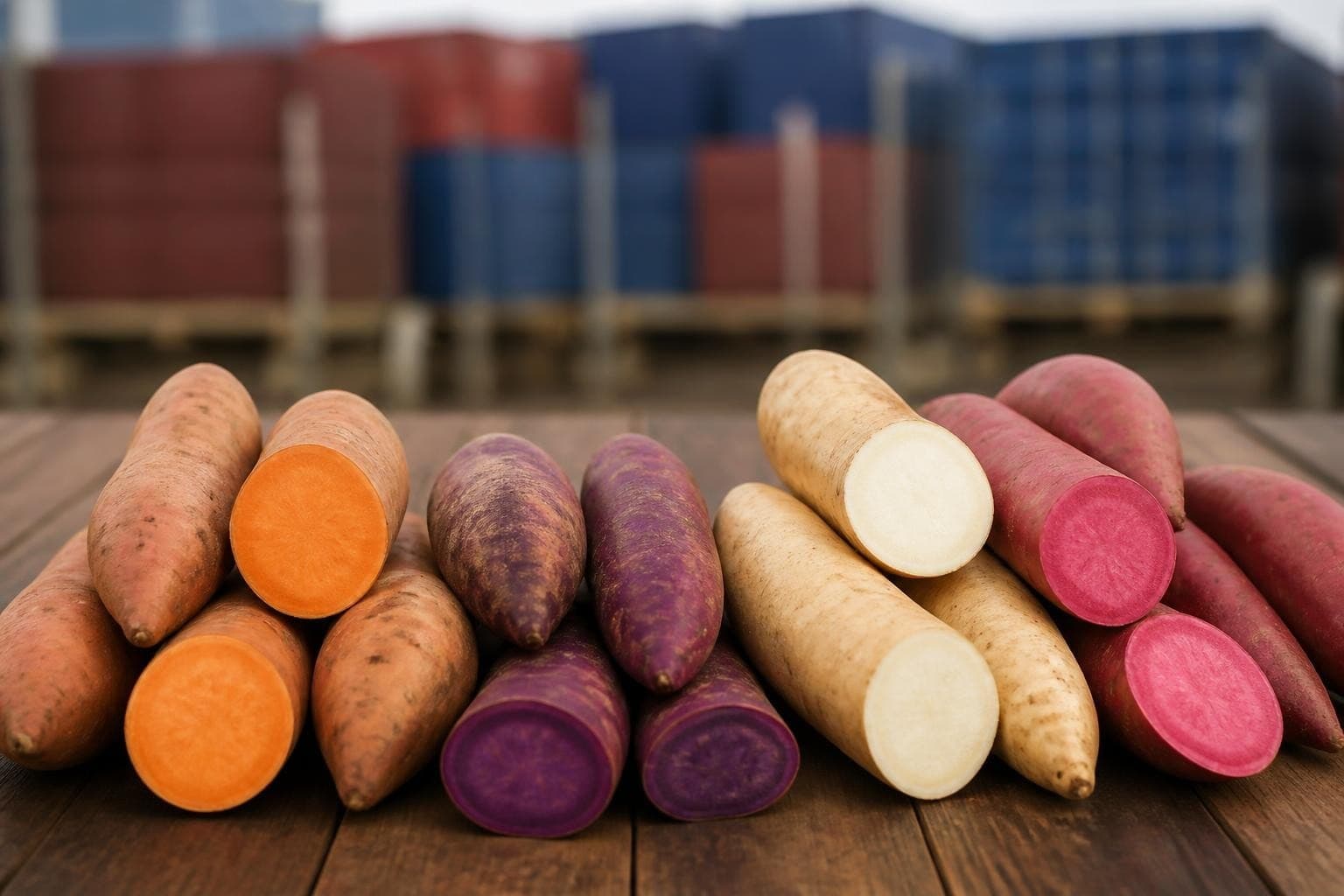
The colors of sweet potatoes represent far more than aesthetic variation. For international buyers, distributors, and retailers, understanding these color distinctions is essential for making informed purchasing decisions, meeting consumer preferences, and capitalizing on emerging market trends. Each hue signals specific flavor profiles, nutritional properties, and culinary applications that directly impact market positioning and customer satisfaction. Whether sourcing for health-conscious consumers seeking purple varieties or traditional markets preferring orange flesh, the color spectrum of sweet potatoes offers diverse opportunities for strategic product selection.
Understanding the Primary Colors of Sweet Potatoes
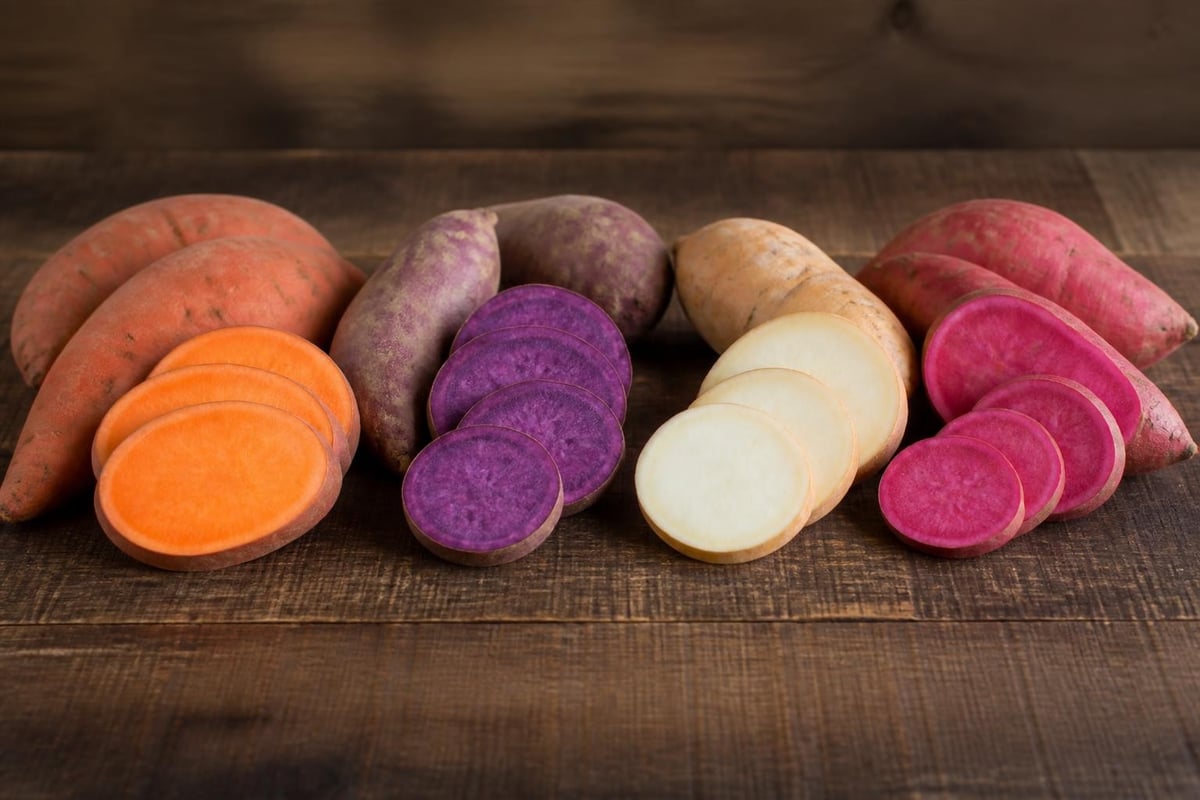
Sweet potato varieties display remarkable color diversity both in their skin and flesh. This natural variation stems from different pigment compounds that develop during growth, creating distinct visual and nutritional profiles. The primary categories include orange, purple, white, and red varieties, each offering unique advantages for different market segments.
Orange sweet potatoes dominate global markets due to their widespread familiarity and consistent sweetness. These varieties contain high levels of beta-carotene, the same compound found in carrots, which gives them their vibrant hue. When selecting orange varieties, importers should note that deeper orange flesh typically indicates higher beta-carotene content, appealing to health-focused consumers.
Purple sweet potatoes have gained significant traction in international markets over the past decade. These varieties contain anthocyanins, powerful antioxidants responsible for their distinctive coloring. The purple and white varieties offer different nutritional profiles that appeal to specialty health food markets and innovative culinary applications.
White and Cream Varieties
White-fleshed sweet potatoes present a less sweet, more subtle flavor compared to their orange counterparts. These varieties typically contain lower sugar content and offer a drier, starchier texture when cooked. Markets in Asia and parts of Latin America often prefer these varieties for savory applications, making them valuable for exporters targeting diverse international buyers.
The cream-colored varieties fall between pure white and pale orange, offering moderate sweetness and versatility. These intermediate options work well for buyers serving markets transitioning between traditional preferences and trending health foods. Their neutral color also makes them appealing for food processing applications where color consistency matters.
Commercial Varieties and Their Color Characteristics
The global sweet potato trade encompasses dozens of commercial varieties, each bred for specific growing conditions and market demands. Understanding these varieties helps buyers match products to their target consumers effectively.
| Variety Type | Skin Color | Flesh Color | Primary Markets |
|---|---|---|---|
| Beauregard | Copper-red | Deep orange | North America, Europe |
| Okinawan | Beige-white | Deep purple | Japan, specialty markets |
| Hannah | Tan-yellow | Cream-white | Asian markets, processors |
| Murasaki | Purple-red | White | Premium restaurants, retail |
| Garnet | Dark red | Orange | Retail chains, home cooking |
Beauregard varieties exemplify the classic orange sweet potato, featuring copper-red skin and intensely orange flesh. This variety ships well, stores effectively, and meets consumer expectations for traditional sweet potato flavor. Exporters working with partner farms in West Java often prioritize varieties like Beauregard for their reliability and market acceptance.
Japanese varieties like Okinawan showcase the premium end of purple sweet potatoes. These command higher prices in international markets due to their distinctive appearance and perceived health benefits. Buyers targeting upscale retail channels or health food stores should consider the colors of sweet potatoes in this category for product differentiation.
Regional Color Preferences
Market research reveals distinct regional preferences regarding sweet potato colors. North American consumers overwhelmingly prefer orange-fleshed varieties, associating this color with traditional holiday dishes and familiar flavors. European markets show growing interest in purple varieties, particularly in health food sectors and innovative restaurant applications.
Asian markets demonstrate the most diverse color preferences. Japanese buyers seek both white-fleshed and purple varieties, while Chinese markets appreciate yellow-orange types. Understanding these sweet potato variety preferences enables exporters to tailor their product offerings strategically.
Nutritional Variations Across Color Spectrum
The colors of sweet potatoes directly correlate with their nutritional compositions, making color selection a health-focused decision for many buyers. Each pigment type offers distinct nutritional advantages that appeal to specific consumer segments.
Orange Varieties: Beta-Carotene Powerhouses
- Contain 200-400% of daily vitamin A requirements per serving
- Support eye health and immune function
- Convert to vitamin A in the human body
- Appeal to nutrition-conscious mainstream consumers
Purple Varieties: Antioxidant Champions
- Rich in anthocyanins with anti-inflammatory properties
- Contain comparable vitamin levels to orange types
- Demonstrate potential cardiovascular benefits
- Target premium health food markets
White Varieties: Low-Glycemic Options
- Offer lower natural sugar content
- Provide resistant starch for digestive health
- Suitable for diabetic-friendly product lines
- Meet demand for savory preparation methods
The nutritional distinctions among colors of sweet potatoes create opportunities for market segmentation. Importers can develop product lines targeting specific health trends, from antioxidant-rich purple varieties for wellness markets to lower-sugar white varieties for diabetic-friendly products.
Culinary Applications by Color
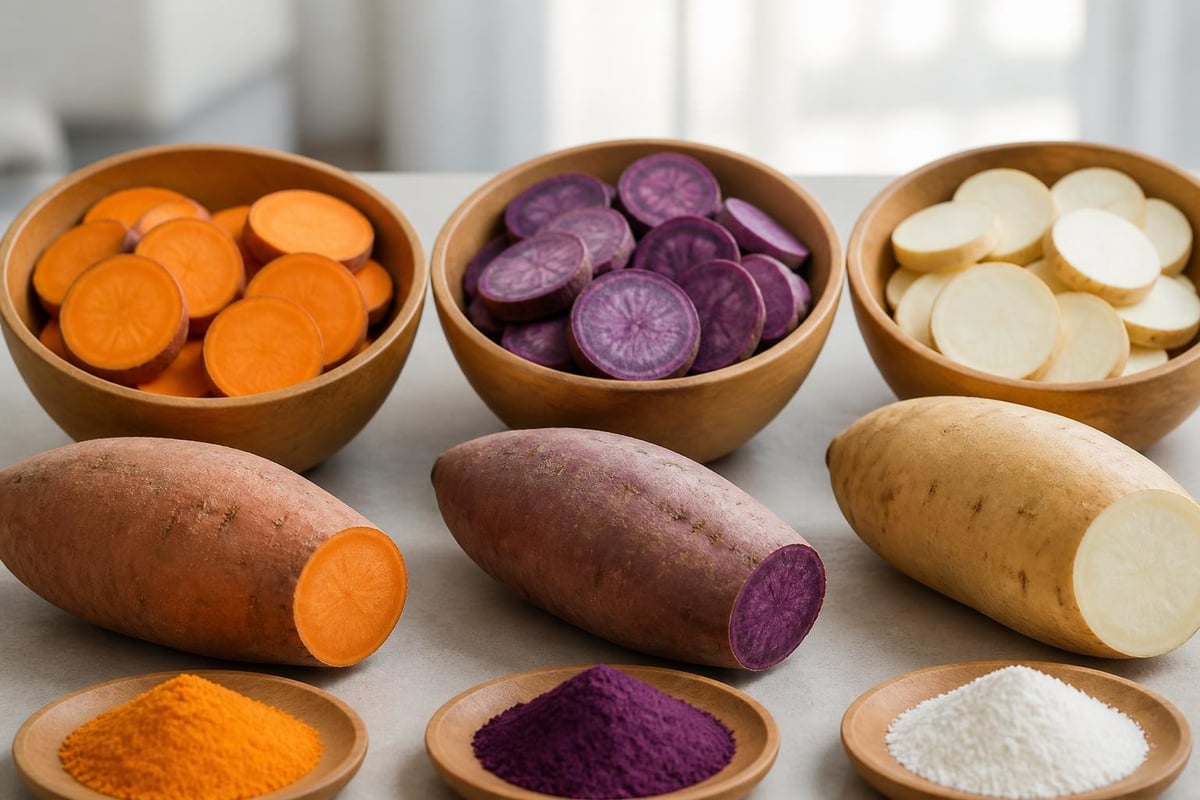
Professional chefs and home cooks select sweet potato colors based on intended preparations and desired outcomes. Understanding these culinary preferences helps buyers position products effectively for different market channels.
Orange Sweet Potatoes in Global Cuisine
Orange varieties dominate baking applications due to their natural sweetness and moist texture. When roasted, they caramelize beautifully, creating appealing presentations for retail prepared food sections. Their versatility extends from traditional pies to modern savory-sweet combinations popular in contemporary cuisine.
The types of sweet potatoes used in food service vary by establishment type, with orange varieties serving mainstream restaurants while purple types appear in upscale dining venues. Food processors favor orange varieties for baby food, soups, and ready-to-eat products due to consumer familiarity and nutritional content.
Purple Varieties for Premium Applications
Purple sweet potatoes command attention in high-end culinary applications. Their striking color remains stable during cooking, creating visually impressive dishes that photograph well for social media marketing. Bakeries use purple varieties for naturally colored breads, pastries, and desserts without artificial additives.
The health halo surrounding purple varieties makes them valuable for restaurants marketing clean-label, superfood-focused menus. Retailers report strong performance when purple sweet potatoes are marketed alongside other colorful, antioxidant-rich produce. This premium positioning typically supports higher price points that benefit the entire supply chain.
White Varieties in Traditional Markets
White-fleshed sweet potatoes excel in savory preparations common in Asian cuisines. Their drier texture and subtle sweetness complement stir-fries, tempuras, and steamed preparations. Markets preferring less sweet profiles gravitate toward these varieties, particularly for everyday cooking rather than special occasion dishes.
Food manufacturers appreciate white varieties for applications requiring neutral base ingredients. Their mild flavor allows other ingredients to shine while contributing nutritional value and binding properties. This makes them suitable for vegetable burgers, baby food blends, and processed snack products.
Color Stability and Post-Harvest Considerations
The colors of sweet potatoes can change during storage, processing, and cooking, affecting product quality and consumer acceptance. Exporters must understand these transformations to maintain consistent quality throughout the supply chain.
Storage Impact on Color
Proper curing and storage preserve the vibrant colors that drive consumer purchases. Orange varieties may deepen in color during curing as starches convert to sugars. Purple varieties require careful handling to prevent oxidation that can dull their distinctive hue. Temperature and humidity control during shipping protect color integrity from farm to retail shelf.
Processing Effects
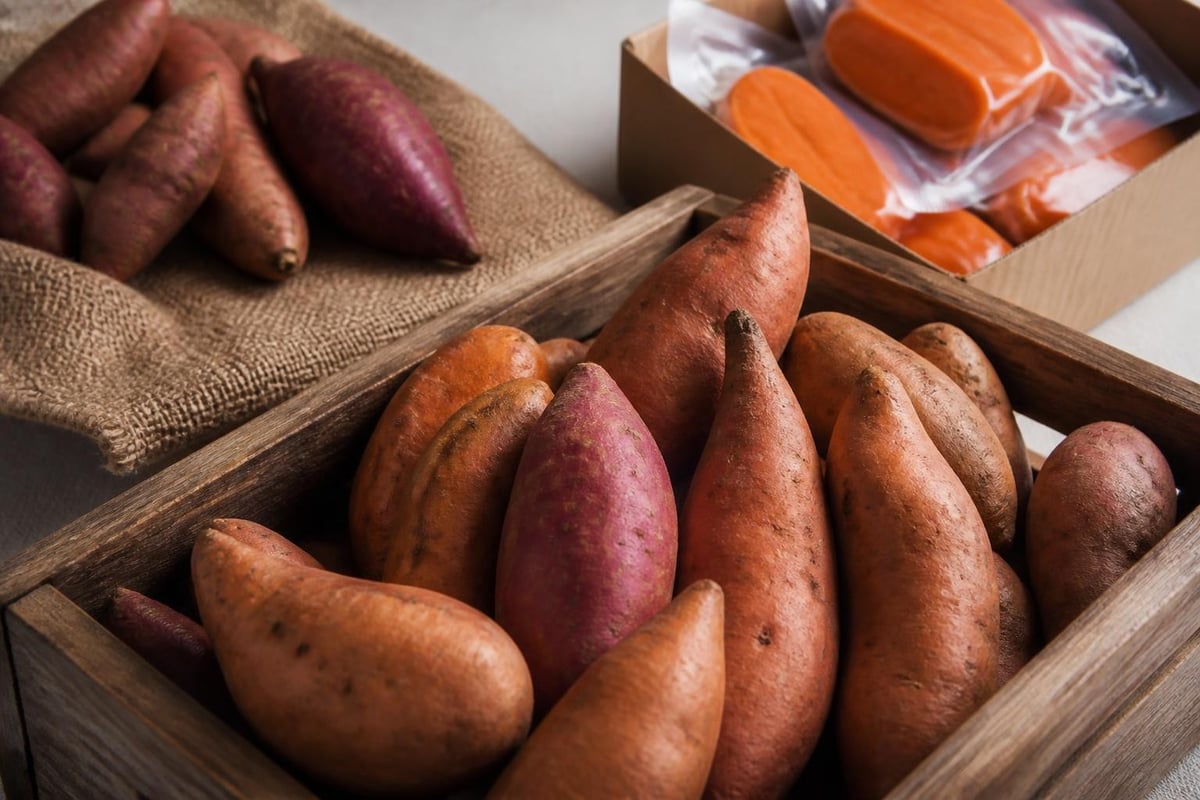
Different processing methods affect color retention differently. Boiling can leach anthocyanins from purple varieties, while roasting intensifies colors through caramelization. Vacuum packaging helps preserve purple hues by limiting oxygen exposure. Understanding these factors allows buyers exploring our galleries to select varieties matching their processing capabilities.
Market Trends Driving Color Demand
Consumer preferences regarding sweet potato colors continue evolving, creating opportunities for forward-thinking importers. Several key trends shape current and projected demand across international markets.
The "eat the rainbow" nutrition movement encourages consumers to consume diverse produce colors for varied phytonutrient intake. This trend benefits purple and white sweet potato varieties as consumers seek alternatives to standard orange types. Retailers report increased sales when displaying multiple sweet potato colors together, suggesting cross-selling opportunities.
Social media influence cannot be overstated in driving purple sweet potato demand. The photogenic nature of purple-fleshed varieties makes them popular for food bloggers and Instagram-focused restaurants. This digital visibility translates to consumer curiosity and trial purchases at retail level.
Specialty Market Opportunities
Organic and specialty food stores demonstrate strongest demand for color variety in sweet potatoes. These channels attract consumers actively seeking nutritional diversity and willing to pay premium prices for distinctive products. The various sweet potato varieties and their characteristics enable specialty retailers to differentiate their produce sections from conventional competitors.
Ethnic food markets maintain steady demand for specific colors matching traditional preferences. Korean markets favor purple-skinned, yellow-fleshed varieties while Japanese stores stock multiple options including white and purple flesh types. Understanding these cultural preferences allows exporters to develop targeted product mixes.
Quality Grading Based on Color Uniformity
International trade standards consider color consistency an important quality indicator for sweet potatoes. Buyers establish specifications regarding acceptable color variations within shipments to meet retail standards and customer expectations.
| Grade Level | Color Uniformity | Skin Defects | Flesh Consistency |
|---|---|---|---|
| Grade A | 95%+ uniform | Minimal | Even throughout |
| Grade B | 85-95% uniform | Slight | Mostly even |
| Processing | 70%+ uniform | Acceptable | Variable allowed |
Premium retail channels demand Grade A consistency, where colors of sweet potatoes within each variety category show minimal variation. This uniformity ensures consistent cooking results and customer satisfaction. Wholesale buyers for processing applications accept broader color ranges since final products undergo transformation that masks initial variations.
Color as Quality Indicator
Beyond variety identification, color intensity can signal nutritional quality and proper maturity at harvest. Pale orange flesh in varieties known for deep orange coloring may indicate premature harvesting or nutritional deficiencies during growth. Exporters working with reliable farm partners can maintain color standards through proper agricultural practices and harvest timing.
Buyers should establish clear color specifications in purchase contracts, including reference standards or color charts. This prevents disputes and ensures all parties understand expected quality parameters. Photography and color matching systems help maintain consistency across growing seasons and multiple farm sources.
Sourcing Strategies for Color Diversity
Building a diverse sweet potato portfolio requires strategic sourcing relationships with farms capable of producing multiple varieties. Successful exporters develop systems for managing this complexity while maintaining quality across all color categories.
Multi-Variety Production Planning
Growing multiple sweet potato colors requires careful field planning to prevent cross-contamination and maintain varietal purity. Partner farms in specialized regions implement rotation schedules and separation distances to preserve distinct characteristics. Buyers benefit from working with farms experienced in multi-variety production rather than attempting to source each color from different suppliers.
Seasonal Availability Patterns
Different varieties may have varying maturity periods affecting year-round availability. Orange varieties typically offer most consistent supply, while specialty purple and white types may have seasonal gaps. Strategic buyers develop relationships with farms in multiple regions to smooth supply fluctuations and maintain continuous availability for customers.
The complete range of sweet potato colors and flavors enables buyers to serve diverse market needs, but requires sophisticated supply chain management. Successful importers balance customer demand patterns against seasonal production realities to optimize inventory investments.
Future Developments in Sweet Potato Colors
Agricultural research continues developing new sweet potato varieties with enhanced colors and improved characteristics. These innovations create opportunities for early-adopting importers to differentiate their product offerings and capture emerging market segments.
Breeding programs focus on intensifying existing colors while improving yield and disease resistance. Deeper purple varieties with enhanced anthocyanin content appeal to supplement manufacturers extracting natural colorants. Ultra-orange varieties with record beta-carotene levels target nutrition-focused markets in developing regions addressing vitamin A deficiencies.
Novel color combinations generate consumer interest and marketing opportunities. Varieties with purple skin and orange flesh, or gradient coloring from skin to center, create visual interest that drives trial purchases. While these remain niche products currently, their market potential grows as consumers seek unique culinary experiences.
Sustainable Production and Color Quality
Environmental factors affecting sweet potato colors gain importance as climate patterns shift. Temperature extremes, water stress, and soil conditions influence pigment development and color intensity. Exporters committed to consistent quality supply invest in farm partnerships that implement climate-adaptive practices preserving color quality despite environmental challenges.
Organic production methods may affect color intensity differently than conventional agriculture. Some studies suggest organic sweet potatoes develop deeper colors due to slower growth patterns and higher nutrient density. This creates premium positioning opportunities for organic certified products across all color categories.
Packaging and Presentation by Color
Retail packaging strategies differ based on sweet potato colors, maximizing visual impact and communicating value propositions effectively. Smart packaging decisions enhance shelf appeal and support premium pricing for specialty colors.
Clear packaging works well for purple varieties, allowing the distinctive color to attract attention in produce sections. Orange varieties benefit from photography highlighting their rich color in prepared form, connecting appearance to anticipated flavor. White varieties require education-focused packaging explaining their culinary advantages and nutritional benefits.
Mixed color packaging creates variety packs appealing to adventurous consumers wanting to try multiple types without committing to large quantities of unfamiliar varieties. This approach reduces trial barriers and introduces consumers to the full spectrum of colors of sweet potatoes available in modern markets. The diverse offerings that buyers can explore demonstrate market readiness for color variety at retail level.
Understanding the colors of sweet potatoes enables importers, distributors, and retailers to make strategic sourcing decisions that align with market trends and consumer preferences. Each color category offers distinct advantages for different applications, from mainstream orange varieties to premium purple options and versatile white types. PT Cakra Baja Niaga connects international buyers with premium Indonesian sweet potatoes across the full color spectrum, ensuring consistent quality through direct farm partnerships in West Java and providing the dependable supply that global markets demand.
Looking to source premium Indonesian sweet potatoes?
PT Cakra Baja Niaga supplies export-grade Cilembu, Purple, and Murasaki varieties to buyers worldwide.
Continue reading
Sweet Potatoes Import Singapore Market Report
Explore Singapore’s sweet potato imports, leading suppliers, SFA requirements, pricing factors, and sourcing opportunities for Indonesian exporters.
Read article
Wholesale Sweet Potatoes Indonesia: B2B Export Guide 2026
Source premium wholesale sweet potatoes Indonesia for import. Quality standards, export logistics, varieties, pricing & supplier partnerships.
Read article
Sweet Potatoes Supplier Indonesia: Quality & Export Guide
Find reliable sweet potatoes supplier Indonesia offering premium export quality. Learn about sourcing, grading, logistics, and partnerships.
Read article