
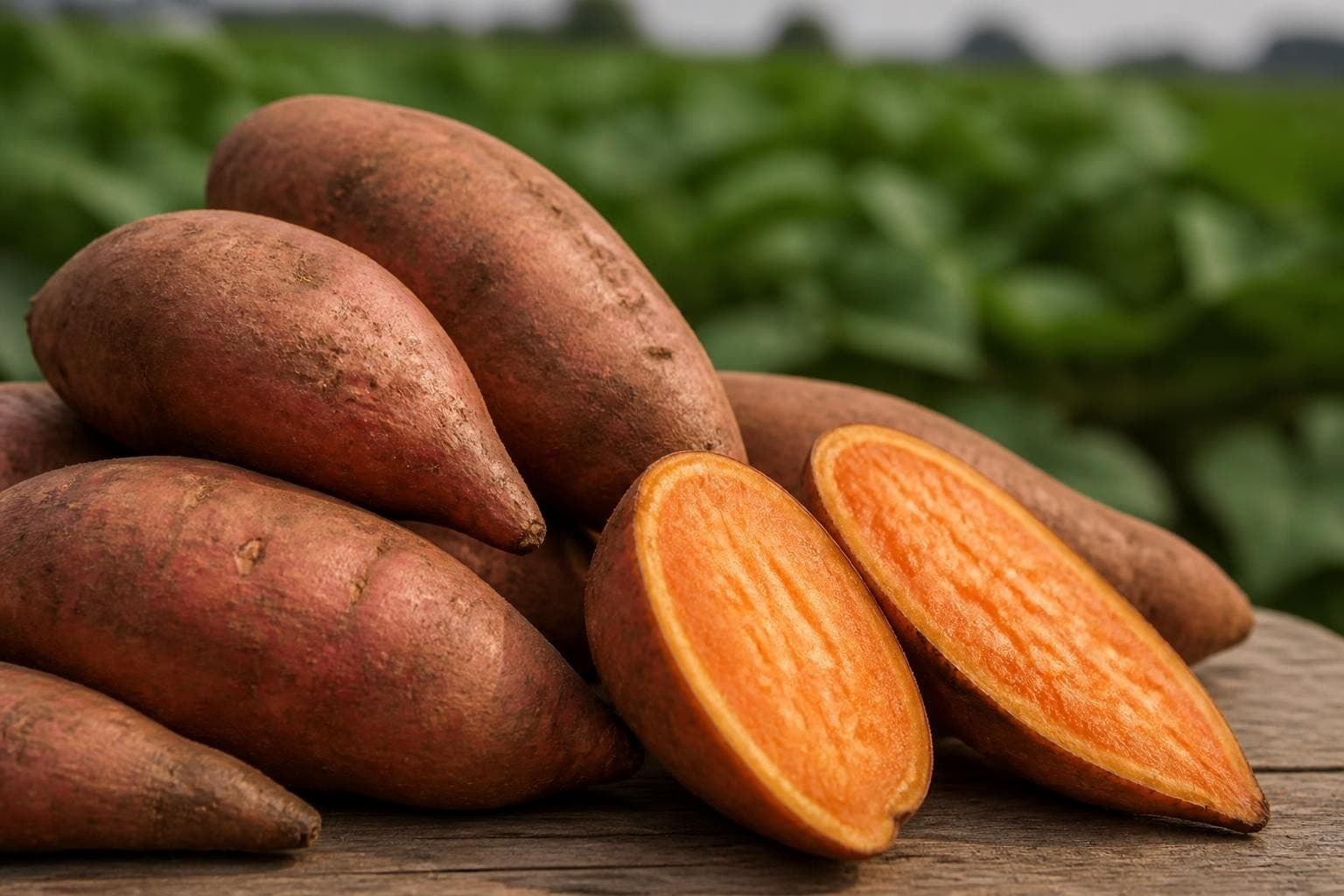
Discover chestnut sweet potatoes, their unique flavor profile, nutritional benefits, and why they represent a premium export opportunity for 2026.
Chestnut sweet potatoes represent one of the most sought-after varieties in the international produce market, distinguished by their unique flavor profile that combines the natural sweetness of traditional sweet potatoes with a subtle nutty undertone reminiscent of roasted chestnuts. This particular variety has gained significant traction among importers, distributors, and retailers worldwide who recognize the growing consumer demand for premium, specialty produce that offers both exceptional taste and nutritional value. For exporters working with partner farms to deliver consistent quality, understanding the distinct characteristics and market potential of this variety becomes essential for building successful international partnerships.
Understanding the Unique Characteristics of Chestnut Sweet Potatoes
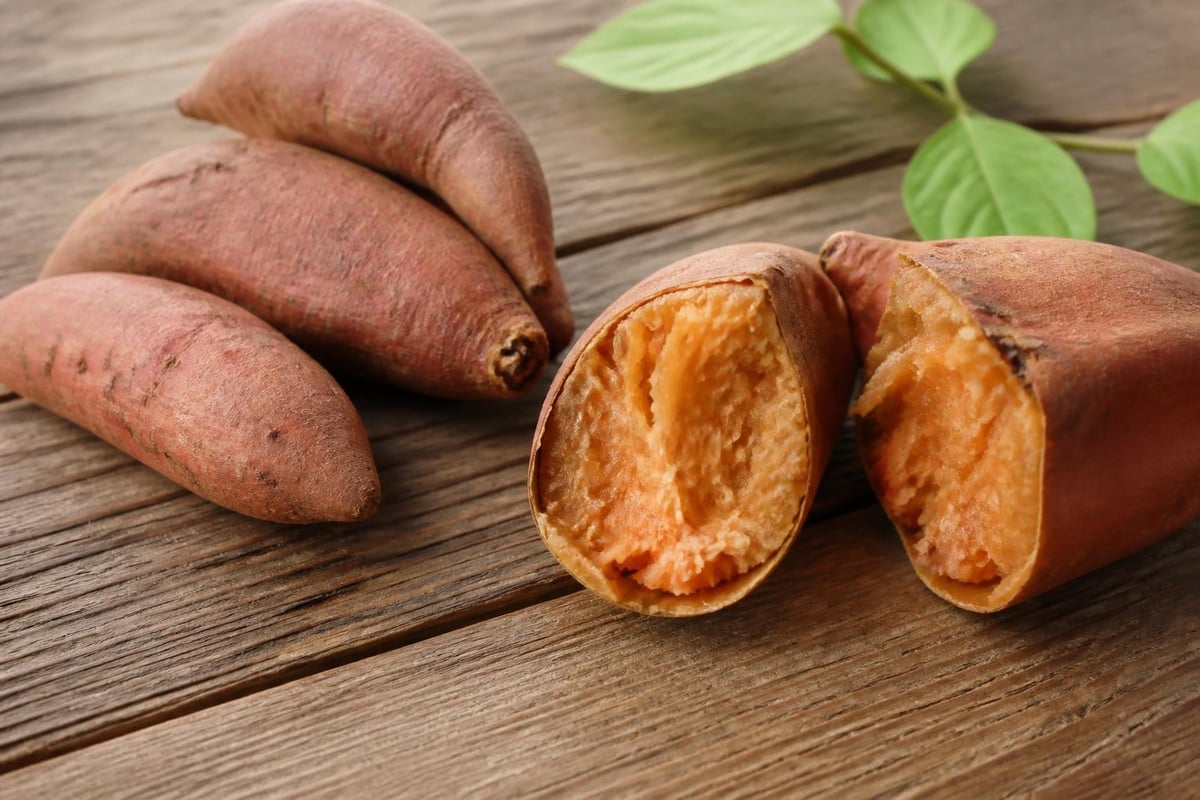
The defining feature of chestnut sweet potatoes lies in their distinctive taste and texture profile. Unlike standard orange-fleshed varieties, these potatoes develop a drier, fluffier consistency when cooked, creating a mouthfeel that closely resembles chestnuts rather than the typically moist texture associated with conventional sweet potatoes.
This unique characteristic stems from specific starch composition and moisture content. The variety contains a higher ratio of amylose to amylopectin, resulting in a texture that becomes light and fluffy rather than dense and creamy when exposed to heat. This makes them particularly versatile for culinary applications where a less watery consistency is preferred.
Appearance and Physical Properties
Chestnut sweet potatoes typically feature:
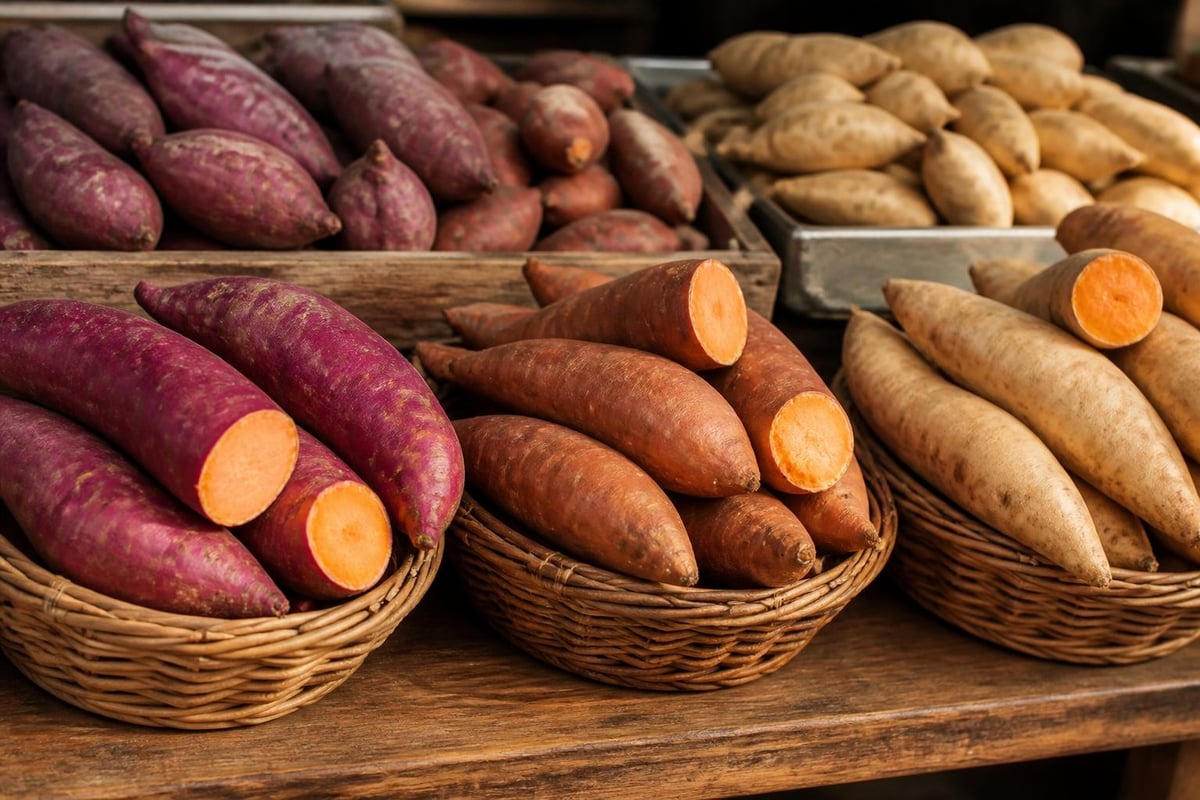
- Skin color: Purple to reddish-brown outer skin with distinctive markings
- Flesh color: Pale yellow to cream-colored interior, sometimes with subtle purple undertones
- Shape: Elongated, uniform shape ideal for consistent portioning
- Size: Medium to large specimens, typically ranging from 200-400 grams per tuber
- Shelf stability: Extended storage life compared to moisture-rich varieties
The visual appeal of these potatoes makes them particularly attractive for retail display, while their durability during transport addresses critical concerns for international shipping operations.
Nutritional Profile and Health Benefits
Chestnut sweet potatoes deliver impressive nutritional value that appeals to health-conscious consumers across international markets. Their composition supports various dietary preferences and wellness trends gaining momentum in 2026.
| Nutrient | Amount per 100g | % Daily Value |
|---|---|---|
| Calories | 86 kcal | 4% |
| Dietary Fiber | 3.0 g | 12% |
| Vitamin A | 14,187 IU | 284% |
| Vitamin C | 2.4 mg | 4% |
| Potassium | 337 mg | 10% |
| Manganese | 0.258 mg | 13% |
The nutritional composition of Korean sweet potatoes demonstrates similar beneficial properties, particularly the chestnut-like varieties that have gained popularity in Asian markets.
Bioactive Compounds and Antioxidants
Beyond basic nutrition, chestnut sweet potatoes contain significant levels of bioactive compounds. These include anthocyanins, beta-carotene, and polyphenolic compounds that contribute to their antioxidant capacity. Research exploring nutritional and phenolic composition in chestnuts reveals similar beneficial interactions between nutrients and flavor compounds.
The presence of resistant starch in properly prepared chestnut sweet potatoes supports digestive health and provides a lower glycemic response compared to standard potato varieties. This characteristic positions them favorably for consumers managing blood sugar levels or following specialized dietary protocols.
Cultivation Requirements and Quality Factors
Successful production of premium chestnut sweet potatoes demands specific agricultural practices and environmental conditions. West Java's climate and soil composition provide ideal growing conditions, with volcanic soil enrichment contributing to superior flavor development and nutrient density.
Optimal Growing Conditions
Temperature regulation proves critical throughout the growing cycle:
- Soil temperature: Minimum 18°C for planting, optimal range 24-29°C
- Air temperature: Consistent warmth between 21-27°C during vine development
- Growing season: 90-120 days depending on desired tuber size
- Rainfall: 750-1000mm annually, with controlled irrigation during dry periods
- Soil pH: Slightly acidic conditions between 5.5-6.5 for optimal nutrient uptake
Partner farms implementing precision agriculture techniques achieve more consistent results across harvest cycles, ensuring the dependable supply that international buyers require for long-term commercial relationships.
Market Demand and Export Opportunities
The global market for specialty sweet potato varieties continues expanding as consumer preferences shift toward unique flavor experiences and nutritional benefits. Chestnut sweet potatoes occupy a premium position within this market segment, commanding higher prices while maintaining strong demand.
Target Markets and Consumer Segments
Different regions demonstrate varying preferences for chestnut sweet potatoes:
Asian Markets: Japan, South Korea, and Singapore show particularly strong demand for varieties with chestnut-like qualities. Traditional preparations like Chestnut & Sweet Potato Yokan demonstrate how these flavors complement each other in established culinary traditions.
European Markets: Health-conscious consumers in Germany, Netherlands, and United Kingdom increasingly seek specialty varieties for their nutritional profiles and culinary versatility.
North American Markets: Premium grocery chains and specialty food distributors target affluent consumers willing to pay premium prices for unique produce varieties.
Quality Control and Export Standards
Maintaining consistent quality throughout the supply chain requires rigorous protocols from harvest through international delivery. For exporters working directly with farms, implementing comprehensive quality management systems ensures that each shipment meets buyer specifications.
Post-Harvest Handling Protocols
Proper handling immediately after harvest significantly impacts final product quality:
- Curing process: 7-10 days at 28-30°C with 85-90% relative humidity to heal minor surface damage
- Temperature management: Rapid cooling to 13-15°C storage temperature within 24 hours
- Humidity control: Maintaining 85-90% relative humidity prevents dehydration while minimizing disease risk
- Sorting criteria: Removal of damaged, undersized, or misshapen tubers before packing
- Grading standards: Classification by size, appearance, and quality metrics
Studies examining thermal processing effects on nutritional quality in chestnuts provide valuable insights applicable to sweet potato handling, particularly regarding temperature sensitivity of beneficial compounds.
| Quality Grade | Size Range | Surface Quality | Acceptance Rate |
|---|---|---|---|
| Premium | 250-350g | Perfect, no blemishes | 15-20% |
| Grade A | 200-400g | Minor surface marks acceptable | 40-50% |
| Grade B | 150-450g | Visible but not damaged | 25-30% |
| Processing | Any size | Suitable for cutting/processing | 10-15% |
Culinary Applications and Preparation Methods
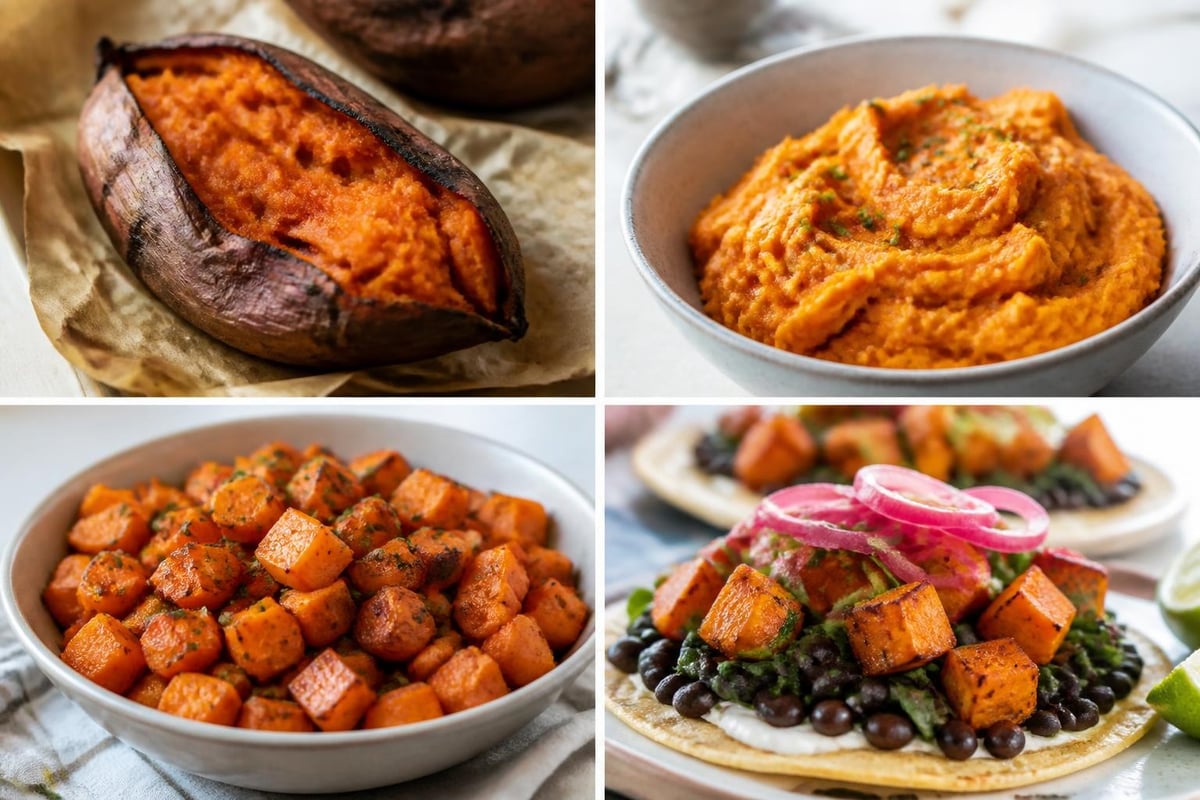
The distinctive texture and flavor of chestnut sweet potatoes expand their culinary applications beyond traditional sweet potato preparations. Chefs and home cooks appreciate their versatility across both sweet and savory dishes.
Traditional Preparation Techniques
Roasting: High-heat roasting at 200-220°C intensifies the natural sweetness while developing the characteristic chestnut-like flavor. The drier flesh maintains structural integrity, producing a fluffy interior with caramelized exterior.
Steaming: Gentle steaming preserves nutrients while creating a light, airy texture perfect for mashing or incorporating into baked goods.
Frying: The lower moisture content makes chestnut sweet potatoes excellent for producing crispy fries or chips with superior texture compared to wetter varieties.
Exploring recipes that combine chestnuts and sweet potatoes reveals complementary preparation methods that enhance the natural affinity between these ingredients.
Commercial Food Service Applications
Restaurant and food service operators increasingly feature chestnut sweet potatoes in premium menu offerings. Their consistent cooking properties and unique flavor profile support standardized recipes across multiple service locations, making them attractive for chains and franchise operations.
Storage and Transportation Considerations
Successful international export requires careful attention to storage conditions and transportation logistics. Chestnut sweet potatoes demonstrate good storage characteristics when properly managed, but specific protocols maximize shelf life and quality retention.
Temperature and Atmosphere Management
Optimal storage conditions for extended shelf life include:
- Temperature range: 13-15°C prevents chilling injury while inhibiting sprouting
- Relative humidity: 85-90% maintains turgor without promoting fungal growth
- Air circulation: Gentle airflow prevents CO2 accumulation and moisture condensation
- Ethylene management: Separation from ethylene-producing fruits prevents premature aging
- Duration limits: 3-6 months under ideal conditions, depending on initial harvest quality
Monitoring systems tracking temperature, humidity, and atmospheric composition throughout transport protect product integrity during ocean freight, which typically requires 2-4 weeks for major shipping routes from Indonesia to destination markets.
Building Transparent Export Partnerships
Success in the international sweet potato trade depends heavily on establishing trusted relationships between exporters, importers, and retail partners. Transparency throughout the supply chain builds confidence and supports long-term business development.
Partnership Elements That Drive Success
Quality documentation: Detailed records tracking harvest dates, growing conditions, handling procedures, and quality metrics provide buyers with complete traceability. Advanced techniques for cultivar identification through sensory quality analysis demonstrate the increasing sophistication available for product verification.
Communication protocols: Regular updates regarding crop development, harvest schedules, and shipping timelines allow buyers to plan inventory and marketing activities effectively.
Flexibility and problem-solving: Responsive adaptation to changing market conditions or unexpected challenges strengthens partnerships beyond transactional relationships.
Importers, distributors, and retailers seeking reliable sources for premium produce benefit from working with exporters who maintain direct farm relationships and implement comprehensive quality systems. Additional information about successful export partnerships can be found through industry resources focused on international produce trade.
Market Trends Shaping Demand in 2026
Several converging trends position chestnut sweet potatoes favorably for continued market growth throughout 2026 and beyond. Understanding these dynamics helps exporters and buyers make informed decisions about production planning and market positioning.
Consumer Preference Shifts
Modern consumers increasingly prioritize:
- Nutritional density: Seeking foods that deliver maximum health benefits per calorie
- Flavor complexity: Moving beyond basic taste profiles toward more sophisticated flavor experiences
- Sustainable sourcing: Preferring suppliers with transparent, environmentally conscious practices
- Culinary versatility: Valuing ingredients that perform well across multiple preparation methods
The premium positioning of chestnut sweet potatoes aligns perfectly with these preferences, supporting price premiums that benefit the entire supply chain from farm to retail.
Retail and Distribution Innovations
Progressive retailers develop dedicated specialty produce sections highlighting unique varieties like chestnut sweet potatoes. Educational displays explaining flavor characteristics, nutritional benefits, and preparation suggestions drive trial purchases and repeat buying behavior.
Online grocery platforms provide additional distribution channels, with detailed product descriptions and customer reviews building awareness among tech-savvy consumers who might not encounter specialty varieties through traditional shopping patterns.
Chestnut sweet potatoes represent a premium opportunity in the international produce market, offering distinctive flavor, superior nutrition, and strong commercial potential across multiple consumer segments. Success in this market requires consistent quality, reliable supply chains, and transparent partnerships between all stakeholders. PT Cakra Baja Niaga works directly with partner farms in West Java to deliver exactly these qualities, providing importers, distributors, and retailers worldwide with dependable access to premium sweet potatoes backed by comprehensive quality systems and responsive customer service.
Looking to source premium Indonesian sweet potatoes?
PT Cakra Baja Niaga supplies export-grade Cilembu, Purple, and Murasaki varieties to buyers worldwide.
Continue reading

Sweet Potatoes Import Singapore Market Report
Explore Singapore’s sweet potato imports, leading suppliers, SFA requirements, pricing factors, and sourcing opportunities for Indonesian exporters.
Read article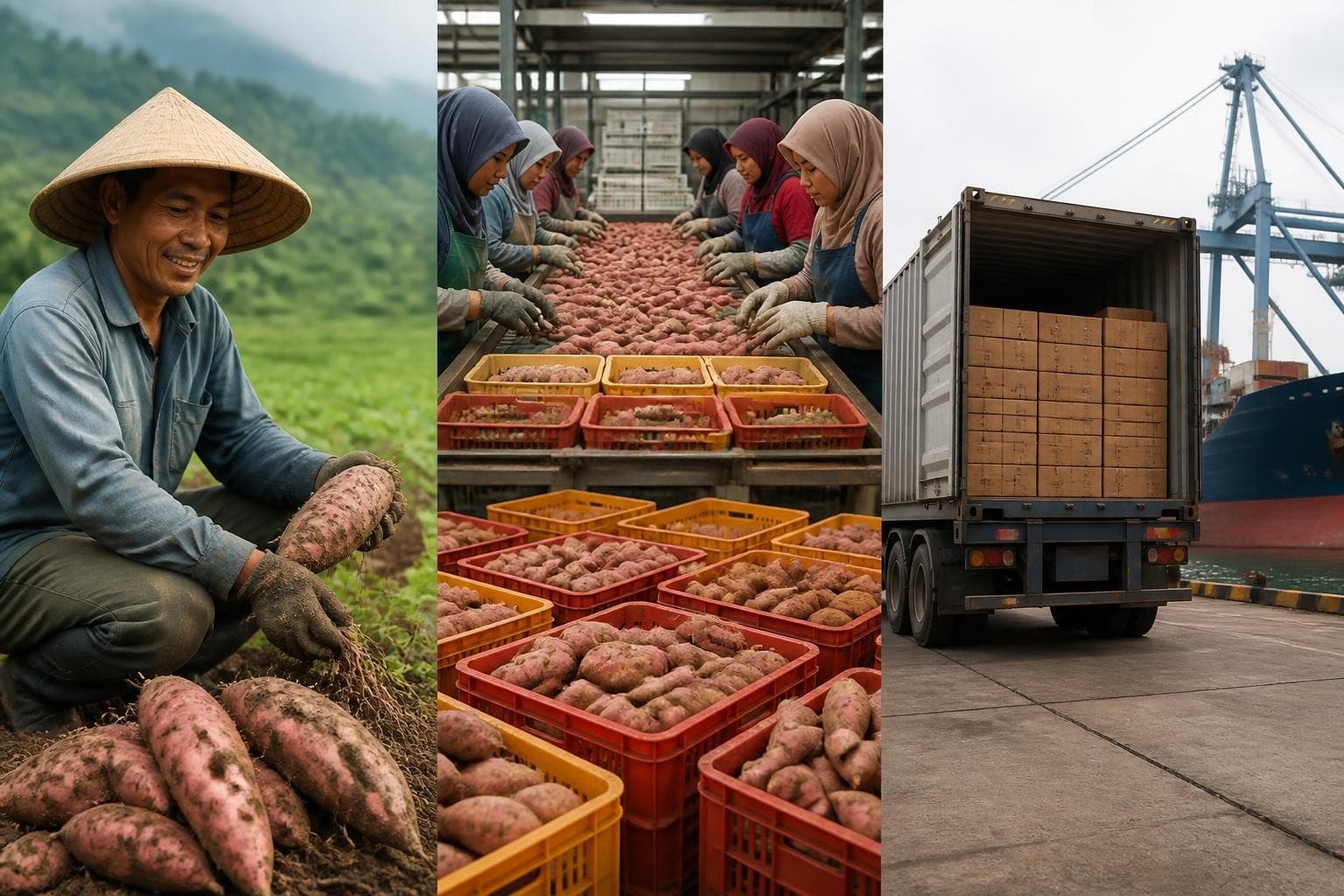
Wholesale Sweet Potatoes Indonesia: B2B Export Guide 2026
Source premium wholesale sweet potatoes Indonesia for import. Quality standards, export logistics, varieties, pricing & supplier partnerships.
Read article
Sweet Potatoes Supplier Indonesia: Quality & Export Guide
Find reliable sweet potatoes supplier Indonesia offering premium export quality. Learn about sourcing, grading, logistics, and partnerships.
Read article