
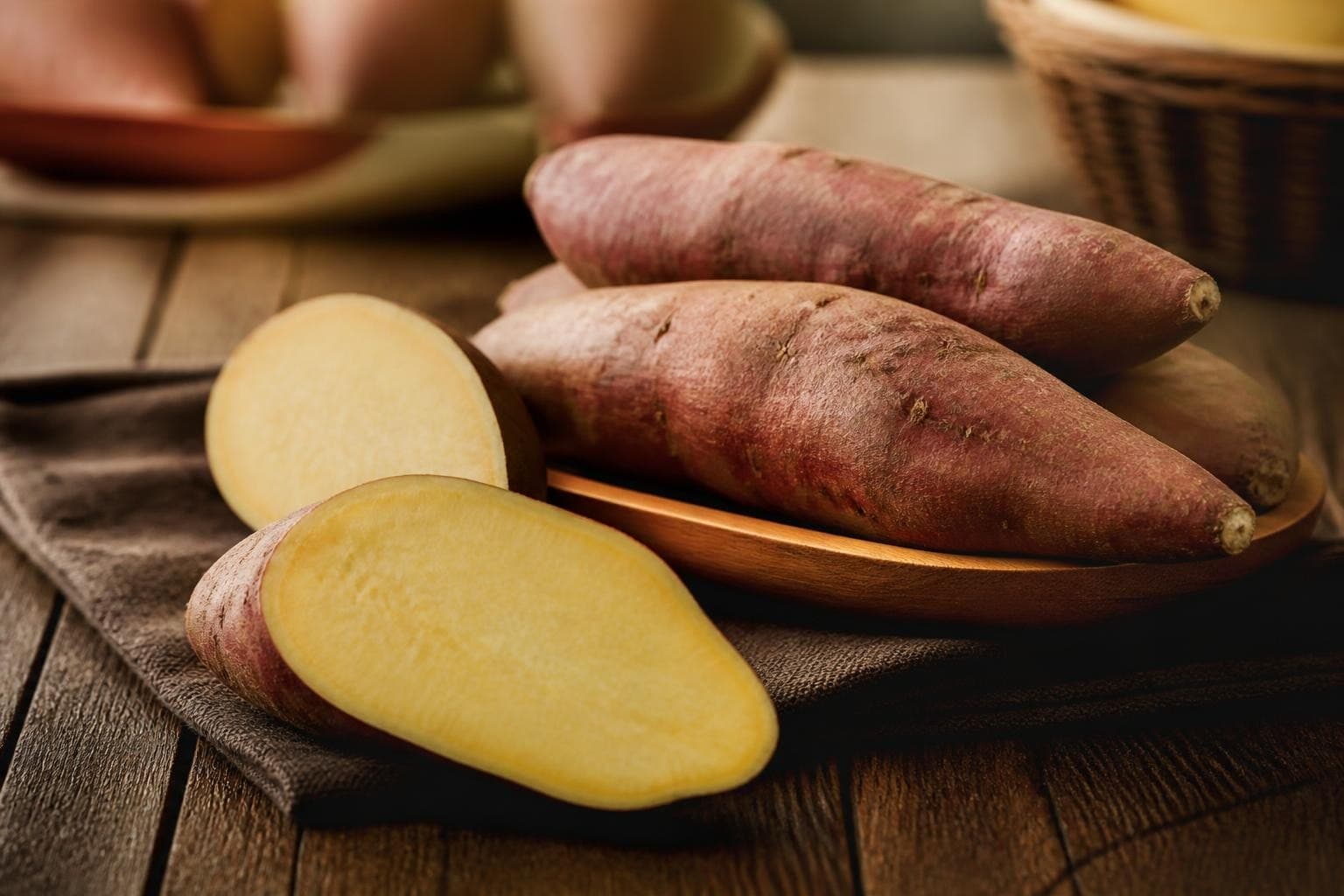
Discover the unique characteristics, nutritional benefits, and export potential of chestnut sweet potato varieties for international markets.
The chestnut sweet potato represents one of the most distinctive and sought-after varieties in the global sweet potato market. Named for its characteristic nutty, chestnut-like flavor and dense, dry texture, this specialty variety has captured the attention of international buyers, premium retailers, and health-conscious consumers worldwide. For exporters and distributors seeking to differentiate their product offerings, understanding the unique qualities, market positioning, and commercial potential of chestnut sweet potato varieties is essential for building successful international partnerships and capturing premium market segments.
Understanding Chestnut Sweet Potato Characteristics
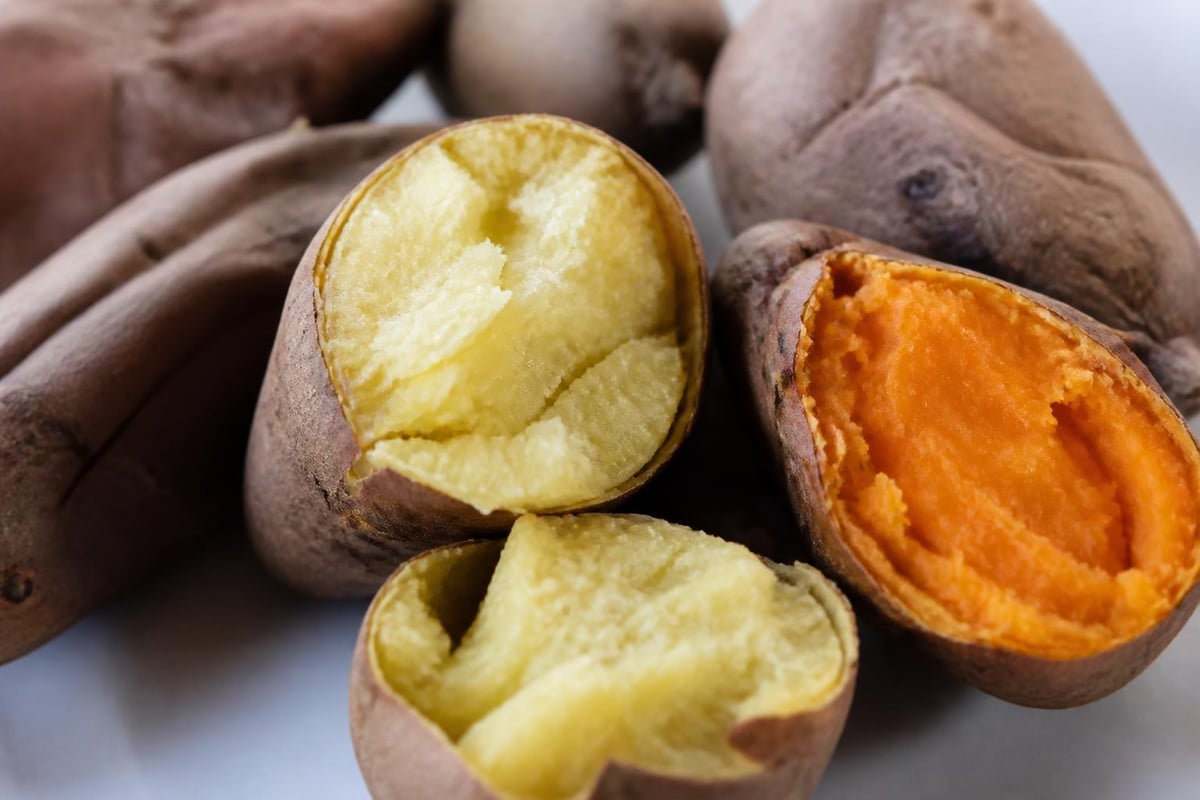
The chestnut sweet potato stands apart from conventional orange-fleshed varieties through several distinctive physical and sensory attributes. These potatoes typically feature a purple or reddish-brown skin with pale yellow to cream-colored flesh that becomes distinctly nutty and slightly sweet when cooked.
The defining characteristic of the chestnut sweet potato is its texture. Unlike the moist, soft consistency of traditional sweet potatoes, this variety offers a dry, dense, almost fluffy texture that closely resembles roasted chestnuts. This unique mouthfeel comes from a specific starch composition and lower moisture content compared to standard varieties.
Key identifying features include:
- Pale yellow or cream-colored interior flesh
- Purple, red, or brown exterior skin tones
- Dry, dense texture when cooked
- Subtle sweetness balanced with nutty undertones
- Higher starch content relative to moisture
The flavor profile develops complexity through cooking methods. When roasted or steamed, the natural sugars concentrate while maintaining the characteristic chestnut-like taste that gives this variety its name. This makes the chestnut sweet potato particularly versatile for both sweet and savory culinary applications.
Botanical and Regional Variations
Several cultivars fall under the broader chestnut sweet potato category, with variations originating from East Asian breeding programs. Japanese and Korean agricultural institutes have developed particularly noteworthy varieties that exemplify the chestnut characteristics international markets desire.
The Korean varieties, often called "bam goguma" (literally chestnut sweet potato), have gained significant recognition in premium markets. These Korean sweet potato varieties showcase the ideal balance of dry texture and nutty sweetness that defines the category.
Climate and soil conditions significantly influence the development of chestnut-like qualities. Growing regions with moderate temperatures and well-drained volcanic or sandy soils tend to produce the most pronounced chestnut characteristics. West Java's agricultural zones offer ideal conditions for cultivating these premium varieties, combining appropriate altitude, soil composition, and climate patterns.
Nutritional Profile and Health Benefits
The chestnut sweet potato offers a compelling nutritional composition that supports its premium positioning in health-focused markets. While sharing the general nutritional benefits of sweet potatoes, this variety presents a distinct macronutrient profile that appeals to specific dietary preferences.
Macronutrient Composition
The higher starch content and lower moisture levels create a different caloric density compared to standard sweet potato varieties. This makes the chestnut sweet potato particularly satisfying and appropriate for energy-focused diets.
| Nutrient Category | Chestnut Sweet Potato | Standard Sweet Potato |
|---|---|---|
| Moisture Content | Lower (60-65%) | Higher (70-75%) |
| Starch Type | Resistant starch-rich | Simple starch dominant |
| Fiber Density | Higher per serving | Moderate |
| Natural Sugars | Moderate, balanced | Higher, more pronounced |
The resistant starch content deserves particular attention for export marketing. This type of starch resists digestion in the small intestine, functioning similarly to dietary fiber and providing benefits for blood sugar management and digestive health. International buyers targeting health-conscious consumers find this attribute particularly valuable.
Micronutrients and Bioactive Compounds
Beyond macronutrients, the chestnut sweet potato contains significant levels of vitamins, minerals, and antioxidant compounds. The pale flesh indicates a different phytonutrient profile than orange varieties, with specific polyphenolic compounds contributing to both flavor and health benefits.
Notable micronutrient highlights:
- Vitamin C for immune support and antioxidant protection
- Potassium for cardiovascular health and electrolyte balance
- Vitamin B6 supporting metabolism and nervous system function
- Manganese contributing to bone health and nutrient metabolism
- Dietary fiber promoting digestive wellness
Research into similar chestnut-flavored foods has revealed complex interactions between nutritional composition and flavor development, suggesting that the characteristic taste of chestnut sweet potato relates directly to its unique nutritional profile. This connection between sensory appeal and nutritional value strengthens market positioning for premium segments.
Commercial Applications and Market Positioning
The chestnut sweet potato occupies a distinctive niche in international markets, commanding premium prices and attracting specific buyer segments. Understanding these commercial applications helps exporters and distributors optimize their product positioning and target appropriate channels.
Target Market Segments
Premium grocery retailers represent the primary distribution channel for chestnut sweet potato varieties. These establishments cater to consumers willing to pay higher prices for specialty produce with unique characteristics and perceived health benefits.
Asian grocery chains and specialty food importers constitute another crucial market segment. The cultural familiarity with chestnut-flavored sweet potatoes in East Asian cuisines creates established demand and clear positioning within these channels.
Health food stores and organic markets increasingly seek out chestnut sweet potato varieties. The resistant starch content, balanced sweetness, and unique nutritional profile align perfectly with the values and product requirements of these specialized retailers.
Culinary Applications Driving Demand
The versatility of chestnut sweet potato in both traditional and modern cuisines expands its market appeal. Chefs and food manufacturers value the variety for applications where conventional sweet potatoes would be too sweet or too moist.
Popular culinary uses include:
- Traditional East Asian preparations (steamed, roasted whole)
- Contemporary fusion dishes requiring balanced sweetness
- Healthy snack products (dried chips, frozen cubes)
- Baby food formulations emphasizing natural nutrition
- Bakery applications requiring dry, dense texture
Food service buyers appreciate the consistent cooking behavior and stable texture that chestnut sweet potato varieties provide. Unlike moisture-rich varieties that can become overly soft or watery when cooked in bulk, the dry texture maintains integrity through various preparation methods and holding times.
Quality Standards for Export Markets
International buyers of chestnut sweet potato maintain specific quality expectations that exporters must consistently meet to build sustainable partnerships. These standards extend beyond basic food safety requirements to encompass variety authenticity, physical characteristics, and handling protocols.
Physical Quality Parameters
Size uniformity plays a critical role in commercial acceptance. Most international markets prefer medium-sized tubers weighing between 200 and 400 grams, though specific buyer requirements may vary. Consistent sizing facilitates packaging efficiency, retail display, and consumer portion control.
| Quality Parameter | Premium Grade | Standard Grade |
|---|---|---|
| Weight Range | 250-350g | 150-450g |
| Skin Condition | Smooth, minimal scarring | Minor blemishes acceptable |
| Shape Regularity | Uniform, elongated | Varied but market-appropriate |
| Flesh Color | Consistent pale yellow | Acceptable variation |
| Damage Tolerance | Less than 2% surface area | Less than 5% surface area |
The characteristic pale yellow flesh color must remain consistent throughout the lot. Color variation can indicate mixed varieties or improper growing conditions, both of which undermine buyer confidence and premium positioning.
Variety Verification and Traceability
Authenticity verification becomes increasingly important as chestnut sweet potato varieties command premium prices. Buyers need assurance that they receive genuine chestnut varieties rather than standard sweet potatoes that may superficially resemble them.
Comprehensive traceability systems linking specific farm sources to export lots provide this verification. Documentation should identify the cultivar name, growing region, harvest date, and handling history. This transparency supports both quality assurance and marketing narratives around origin and production practices.
Progressive exporters leverage technology to enhance traceability, though the implementation varies by sophistication level. Even basic systems documenting farm sources and lot numbers significantly strengthen buyer confidence compared to undocumented supply chains.
Cultivation Considerations for Consistent Supply
While exporters may not directly manage cultivation, understanding the agricultural requirements for producing quality chestnut sweet potato helps build better partnerships with grower networks and ensures consistent supply for international markets.
Optimal Growing Conditions
The chestnut sweet potato thrives in specific environmental conditions that influence both yield and quality characteristics. Temperature ranges between 20-30°C during the growing season promote ideal tuber development without compromising the characteristic dry texture.
Soil composition dramatically affects the final product quality. Well-drained sandy loam or volcanic soils prevent excessive moisture retention that could alter the desired dry texture. Soil pH between 5.5 and 6.5 supports optimal nutrient availability without creating conditions that compromise storage quality.
Critical cultivation factors include:
- Adequate drainage preventing waterlogged conditions
- Moderate fertility avoiding excessive vegetative growth
- Consistent but not excessive irrigation
- Appropriate vine management for uniform tuber sizing
- Timely harvest at full maturity for maximum starch development
The growing altitude in regions like West Java contributes to the distinctive qualities buyers seek. Moderate elevations provide the temperature moderation and soil characteristics that enhance chestnut-like texture and flavor development.
Post-Harvest Handling Protocols
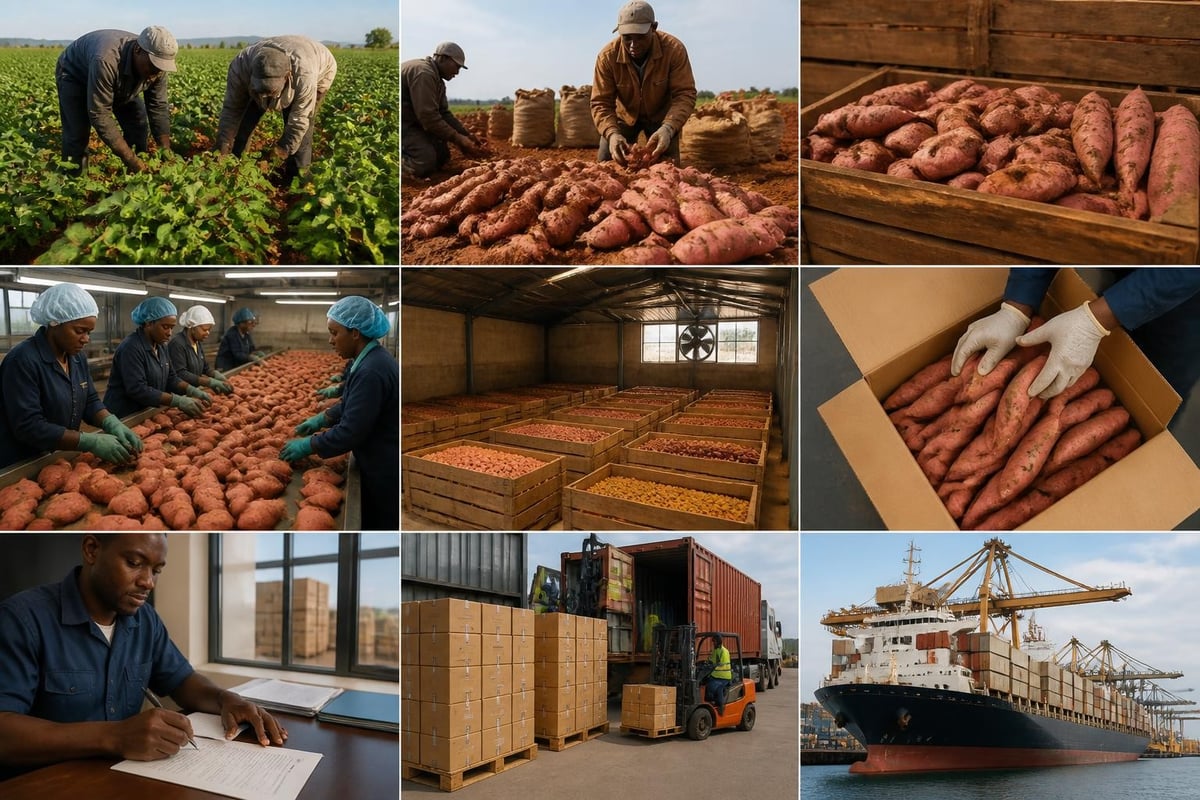
Proper curing represents the most critical post-harvest step for chestnut sweet potato. This process involves holding freshly harvested tubers at controlled temperature and humidity for 5-7 days, allowing minor skin damage to heal and starches to convert optimally.
Curing conditions typically maintain temperatures around 28-30°C with relative humidity of 85-90%. This environment promotes wound healing without encouraging sprouting or disease development. Properly cured chestnut sweet potatoes demonstrate significantly improved storage life and maintain texture quality during international transit.
Storage after curing requires different conditions to preserve quality until export. Temperatures between 13-15°C with moderate humidity prevent chilling injury while slowing metabolic processes that could compromise texture and flavor. Unlike some varieties that tolerate cooler storage, chestnut sweet potato performs best within this specific temperature range.
Export Logistics and Market Entry Strategies
Successfully entering international markets with chestnut sweet potato requires strategic planning around logistics, documentation, and relationship building. The premium nature of this product demands logistics solutions that preserve quality while managing costs effectively.
Transportation and Packaging Considerations
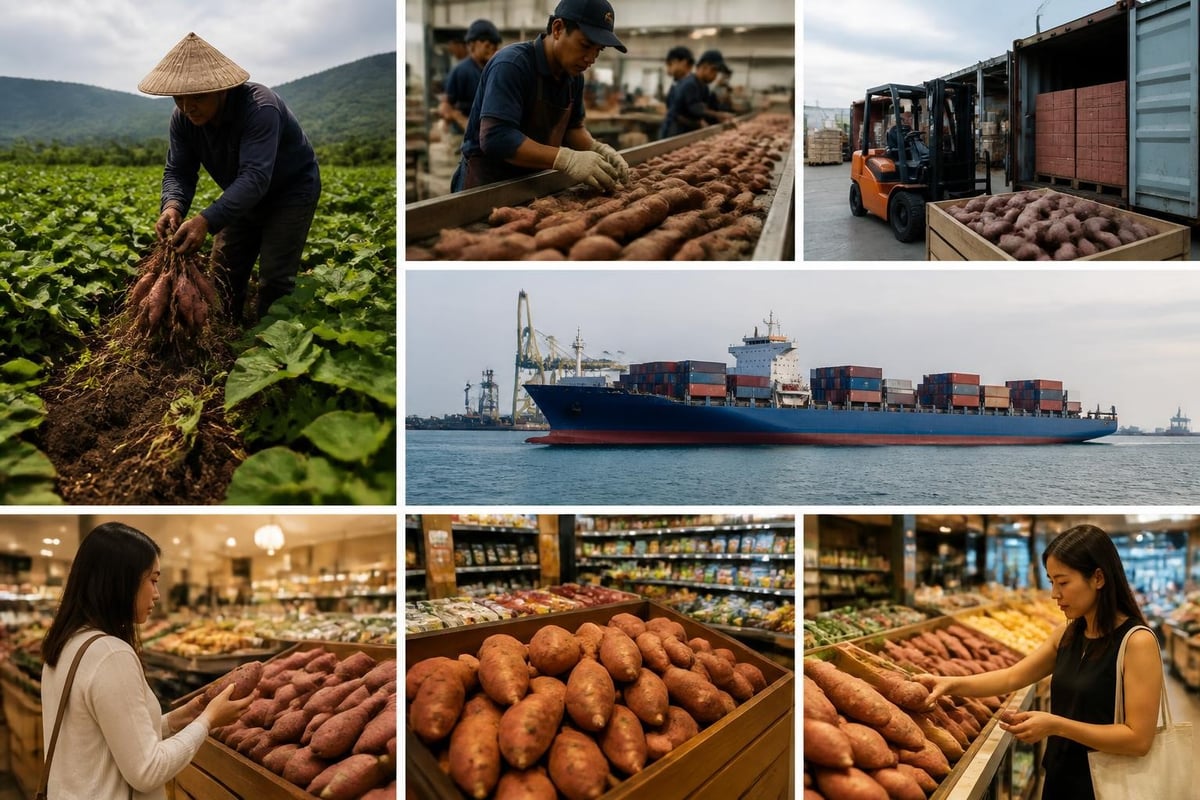
Air freight offers the fastest route to distant markets but adds significant cost that must be justified by premium pricing. Markets in Northeast Asia, where chestnut sweet potato enjoys strong cultural recognition, often warrant air freight for optimal freshness and quality preservation.
Sea freight provides more economical transportation for larger volumes and markets where slightly longer transit times remain acceptable. Proper packaging with ventilation, cushioning, and temperature control becomes critical for maintaining quality during extended sea journeys.
Packaging requirements for export include:
- Ventilated cartons preventing moisture accumulation
- Individual wrapping or separation preventing damage
- Clear labeling identifying variety and origin
- Temperature monitoring devices for quality assurance
- Appropriate sizing for retail repackaging efficiency
The relationship between processing methods and quality preservation in similar specialty crops provides insights applicable to chestnut sweet potato handling. Temperature management throughout the cold chain proves particularly crucial for maintaining the characteristic texture and preventing quality degradation.
Building Buyer Relationships
International buyers of specialty products like chestnut sweet potato prioritize reliability and consistency over one-time transactions. Building sustainable partnerships requires demonstrating commitment to quality standards, transparent communication, and responsive problem-solving.
Sample shipments allow potential buyers to evaluate product quality before committing to larger orders. These trial shipments should represent the absolute best quality the exporter can consistently deliver, setting accurate expectations for ongoing supply relationships.
Documentation supporting premium positioning strengthens buyer confidence and justifies higher prices. This includes cultivation details, quality certifications, nutritional analysis, and origin verification. Buyers serving premium retail channels particularly value comprehensive documentation supporting marketing claims.
Regular communication maintaining visibility throughout the supply chain builds trust and enables proactive problem-solving. Updates on crop development, harvest timing, and potential supply variations help buyers plan their inventory and promotions effectively. For those interested in exploring premium sweet potato export opportunities, comprehensive information and supplier resources are available through specialized export trading companies.
Competitive Positioning in Premium Markets
The global specialty sweet potato market continues evolving, with chestnut varieties occupying an increasingly important premium segment. Understanding competitive dynamics and differentiation strategies helps exporters maximize the commercial potential of these unique products.
Price Premium Justification
Chestnut sweet potato typically commands prices 30-50% higher than standard orange-fleshed varieties in premium markets. This premium reflects both the genuine supply constraints and the perceived value among target consumers.
Supply limitations stem from several factors: fewer farms cultivate specialty varieties, yields may be lower than conventional types, and quality standards eliminate a higher percentage of production. These genuine scarcity factors support premium pricing when properly communicated to buyers.
The perceived value among consumers derives from the unique eating experience, nutritional profile, and cultural associations. Marketing narratives emphasizing these attributes justify premium positioning and support retailer margins that encourage prominent placement and active promotion.
Differentiation Through Origin and Quality
Origin stories create powerful differentiation in premium produce markets. Indonesian production offers unique positioning opportunities based on volcanic soil benefits, traditional cultivation knowledge, and tropical growing conditions that influence flavor development.
Quality consistency represents the most sustainable competitive advantage for exporters. Buyers increasingly value reliable suppliers who deliver consistent specifications over those offering occasional exceptional quality with high variation. Building this reputation requires systematic quality management and honest communication about capabilities and limitations.
Visual merchandising support helps retail partners effectively communicate the chestnut sweet potato value proposition. Providing point-of-sale materials, preparation suggestions, and variety information enables retailers to educate consumers and drive trial purchases. These materials should emphasize the distinctive characteristics and optimal uses that differentiate chestnut varieties from standard options.
Regulatory Compliance and Market Access
International sweet potato trade operates within complex regulatory frameworks varying by destination market. Understanding and consistently meeting these requirements is fundamental to successful export operations, particularly for premium products where quality claims require verification.
Phytosanitary Requirements
Plant health certifications prevent the international spread of pests and diseases through agricultural trade. Each importing country maintains specific requirements for sweet potato imports, typically requiring inspection and certification by the exporting country's agricultural authority.
Common phytosanitary concerns for sweet potatoes include weevils, root-knot nematodes, and various fungal pathogens. Export facilities must implement protocols preventing these organisms from reaching international markets, including pre-shipment inspection, treatment when required, and comprehensive documentation.
Fumigation or other treatments may be mandatory for certain destination markets. Understanding these requirements during the planning stage prevents delays and ensures appropriate facilities and procedures are in place before beginning export operations.
Food Safety and Quality Certifications
Premium buyers increasingly require third-party certifications verifying food safety management systems and quality assurance protocols. GlobalGAP certification has become particularly important for European markets, while other regions may prioritize different standards.
These certifications require documented procedures, regular audits, and continuous compliance with specified practices. While representing significant investment, they provide competitive advantages in premium markets and demonstrate commitment to systematic quality management.
Organic certification opens additional market opportunities for chestnut sweet potato, though achieving this designation requires multi-year transition periods and comprehensive documentation of cultivation practices. The premium prices organic certification enables often justify the investment and operational adjustments required.
Future Trends and Market Opportunities
The market for specialty sweet potato varieties, including chestnut types, shows strong growth trajectory driven by several converging trends. Exporters positioning themselves to capitalize on these opportunities can build sustainable competitive advantages and access expanding market segments.
Health and Wellness Megatrends
Consumer focus on functional foods with specific health benefits continues intensifying across developed markets. The resistant starch content and balanced nutritional profile of chestnut sweet potato align perfectly with this trend, particularly among consumers managing blood sugar or seeking gut health benefits.
Plant-based diets driving increased vegetable consumption create expanded opportunities for distinctive varieties offering unique culinary experiences. The chestnut sweet potato's versatility in both traditional and contemporary preparations positions it well within this growing market segment.
Technology Integration in Supply Chains
Advanced technologies are transforming agricultural supply chains, creating opportunities for differentiation and efficiency gains. While direct applications to sweet potato harvesting remain developmental, similar innovations in automated detection systems for specialty crops indicate future possibilities.
Blockchain-based traceability systems provide enhanced transparency and origin verification that premium buyers increasingly value. Early adopters of these technologies can differentiate their offerings and command premium positioning based on verified authenticity and quality documentation.
Digital marketing channels enable direct communication with end consumers, even for products moving through traditional distribution systems. Exporters creating content around chestnut sweet potato varieties, preparation methods, and origin stories can build brand recognition that supports premium positioning and buyer loyalty. Additional insights and market developments can be explored through industry resources and export information.
The chestnut sweet potato represents a compelling opportunity for exporters seeking to serve premium international markets with distinctive, high-value products. Success requires commitment to consistent quality, understanding of specific market requirements, and strategic partnerships throughout the supply chain. PT Cakra Baja Niaga specializes in connecting international buyers with premium Indonesian sweet potato varieties, offering reliable supply, consistent quality standards, and transparent partnerships built on direct relationships with partner farms in West Java's premier growing regions.
Looking to source premium Indonesian sweet potatoes?
PT Cakra Baja Niaga supplies export-grade Cilembu, Purple, and Murasaki varieties to buyers worldwide.
Continue reading

Sweet Potatoes Import Singapore Market Report
Explore Singapore’s sweet potato imports, leading suppliers, SFA requirements, pricing factors, and sourcing opportunities for Indonesian exporters.
Read article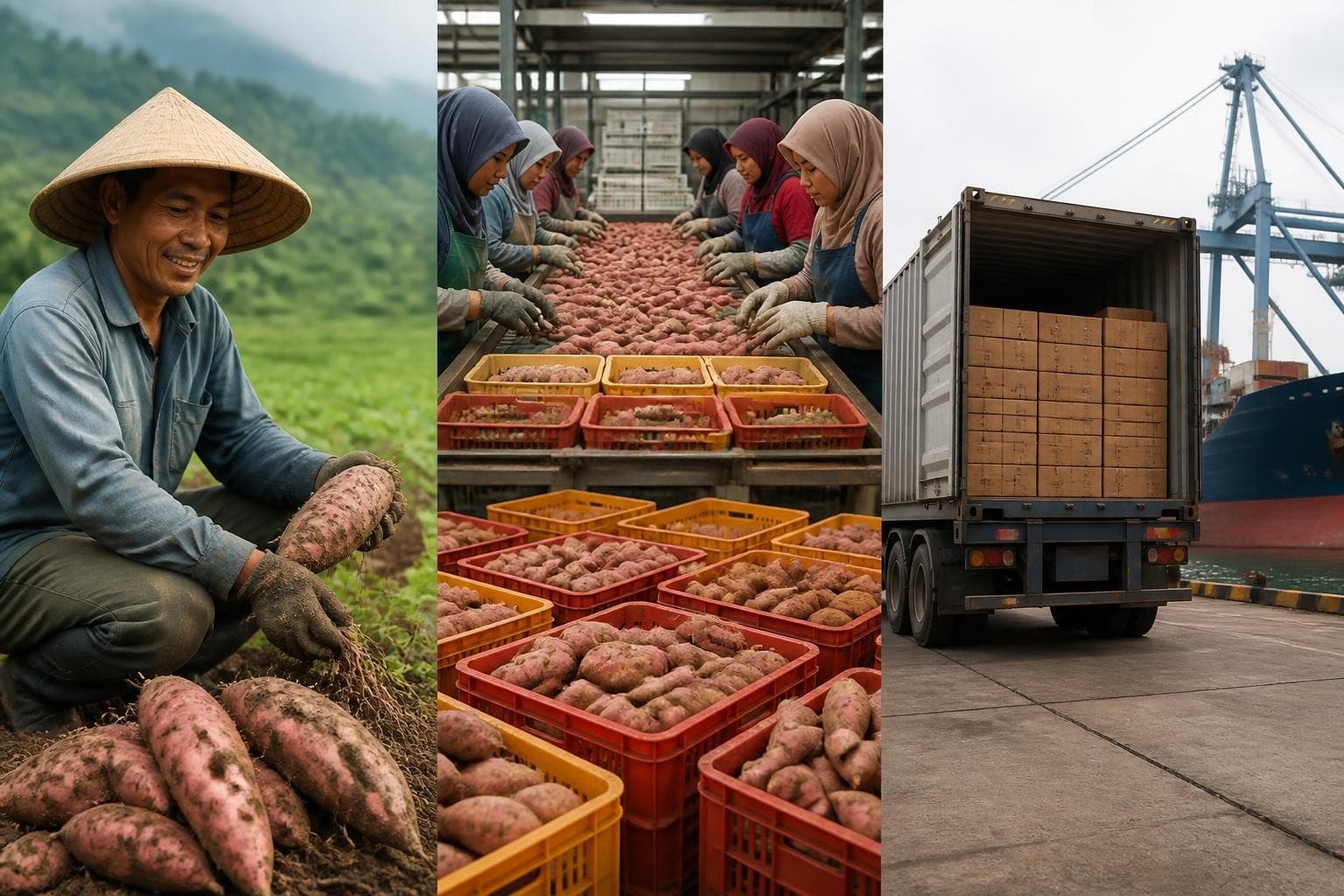
Wholesale Sweet Potatoes Indonesia: B2B Export Guide 2026
Source premium wholesale sweet potatoes Indonesia for import. Quality standards, export logistics, varieties, pricing & supplier partnerships.
Read article
Sweet Potatoes Supplier Indonesia: Quality & Export Guide
Find reliable sweet potatoes supplier Indonesia offering premium export quality. Learn about sourcing, grading, logistics, and partnerships.
Read article