

Sweet Potatoes for Weight Loss: Export Quality Guide 2026
Discover how sweet potatoes support weight loss. Learn about nutritional benefits, sourcing, and export-quality produce from Indonesia.
Sweet potatoes have emerged as a strategic product for health-conscious consumers worldwide, particularly those focused on weight management. As international demand grows for nutritious, whole-food carbohydrate sources, importers and distributors are increasingly sourcing premium sweet potatoes to meet consumer expectations. Understanding the relationship between sweet potatoes for weight loss helps businesses position their products effectively in competitive retail markets while addressing buyer questions about nutritional quality, sourcing standards, and export specifications.
Nutritional Profile Supporting Weight Management
Sweet potatoes deliver exceptional nutritional density with relatively low caloric content, making them valuable for weight-conscious consumer segments. A medium-sized sweet potato (approximately 150 grams) contains roughly 112 calories while providing substantial fiber, vitamins, and minerals that support satiety and metabolic function.
Fiber Content and Satiety Mechanisms
The fiber composition in sweet potatoes plays a critical role in weight management applications. Each medium sweet potato contains approximately 3.8 grams of dietary fiber, which slows digestion and promotes prolonged fullness between meals.
Key fiber benefits include:
- Reduced postprandial hunger signals
- Improved glycemic response compared to refined grains
- Enhanced gut microbiome diversity
- Increased thermic effect during digestion
Research indicates that sweet potatoes support weight management through their high fiber and water content, which promote fullness and may reduce overall calorie intake throughout the day. For importers targeting health food retailers, this nutritional advantage represents a significant market differentiator.
Macronutrient Balance for Sustained Energy
The macronutrient profile of sweet potatoes provides balanced energy without excessive fat or simple sugars. This composition aligns with evidence-based weight loss protocols that emphasize nutrient-dense whole foods over processed alternatives.
| Nutrient | Amount per 150g | Percentage of Daily Value |
|---|---|---|
| Calories | 112 | 6% |
| Carbohydrates | 26g | 9% |
| Protein | 2g | 4% |
| Fat | 0.1g | 0% |
| Fiber | 3.8g | 15% |
| Vitamin A | 438% DV | 438% |
Indonesian sweet potatoes from regions like West Java offer consistent quality standards that meet international nutritional expectations. Premium Indonesian sweet potatoes are cultivated using sustainable farming practices that preserve nutritional integrity throughout the supply chain.
Practical Applications in Weight Loss Diets
Successful integration of sweet potatoes for weight loss requires understanding preparation methods, portion control, and meal timing strategies that maximize nutritional benefits while controlling caloric intake.
Preparation Methods That Preserve Benefits
Cooking techniques significantly impact the glycemic index and nutrient retention of sweet potatoes. For weight management applications, specific preparation methods optimize both nutritional value and consumer satisfaction.
Recommended preparation approaches:
- Baking or roasting at 375°F (190°C) for 45-60 minutes maintains fiber structure
- Steaming for 20-25 minutes preserves water-soluble vitamins
- Boiling with skin intact retains maximum mineral content
- Air frying with minimal oil reduces added calories
Evidence-based research demonstrates that sweet potatoes serve as sensible substitutions for refined grains when prepared using low-fat cooking methods. Distributors should educate retail partners about optimal preparation techniques to support consumer success.
Avoid deep-frying or adding high-calorie toppings like butter, marshmallows, or excessive brown sugar, as these modifications eliminate the weight management advantages inherent to the whole food.
Portion Control and Meal Integration
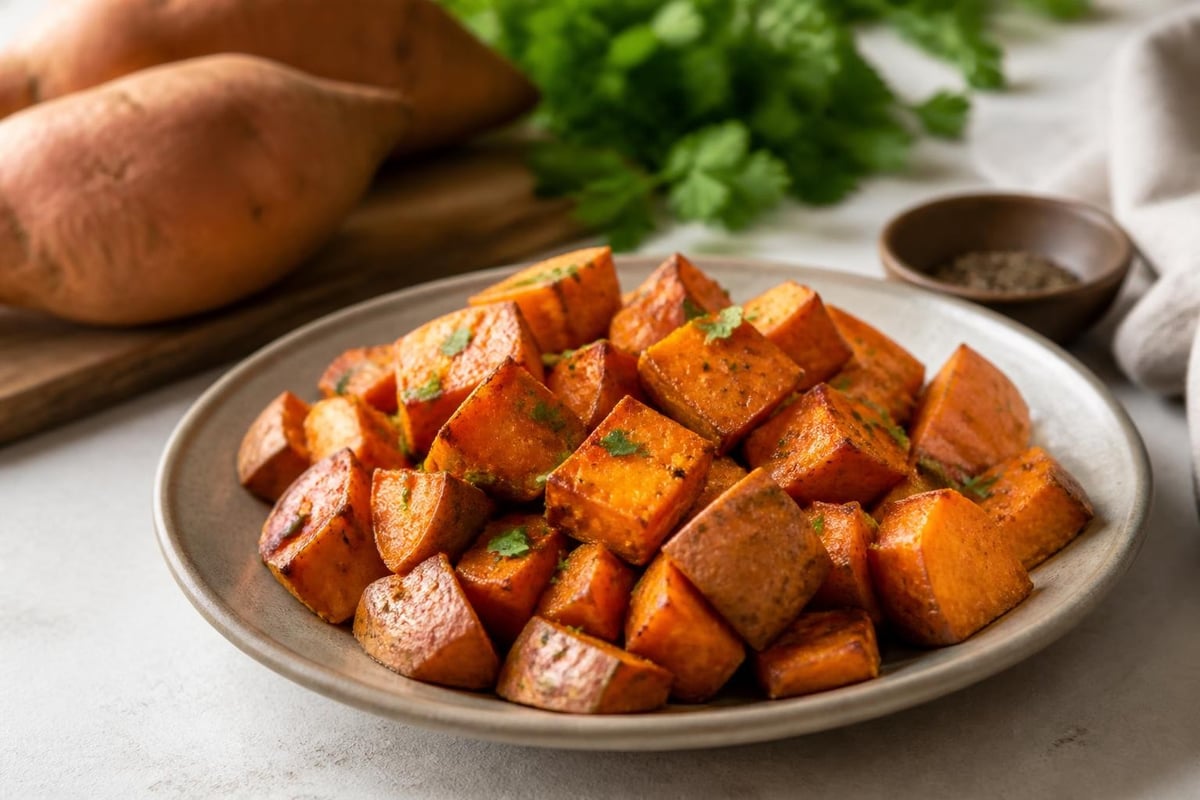
Strategic portion sizing enables consumers to benefit from sweet potatoes for weight loss without exceeding their daily caloric targets. Professional dietitians typically recommend 100-150 grams of cooked sweet potato per serving for weight management protocols.
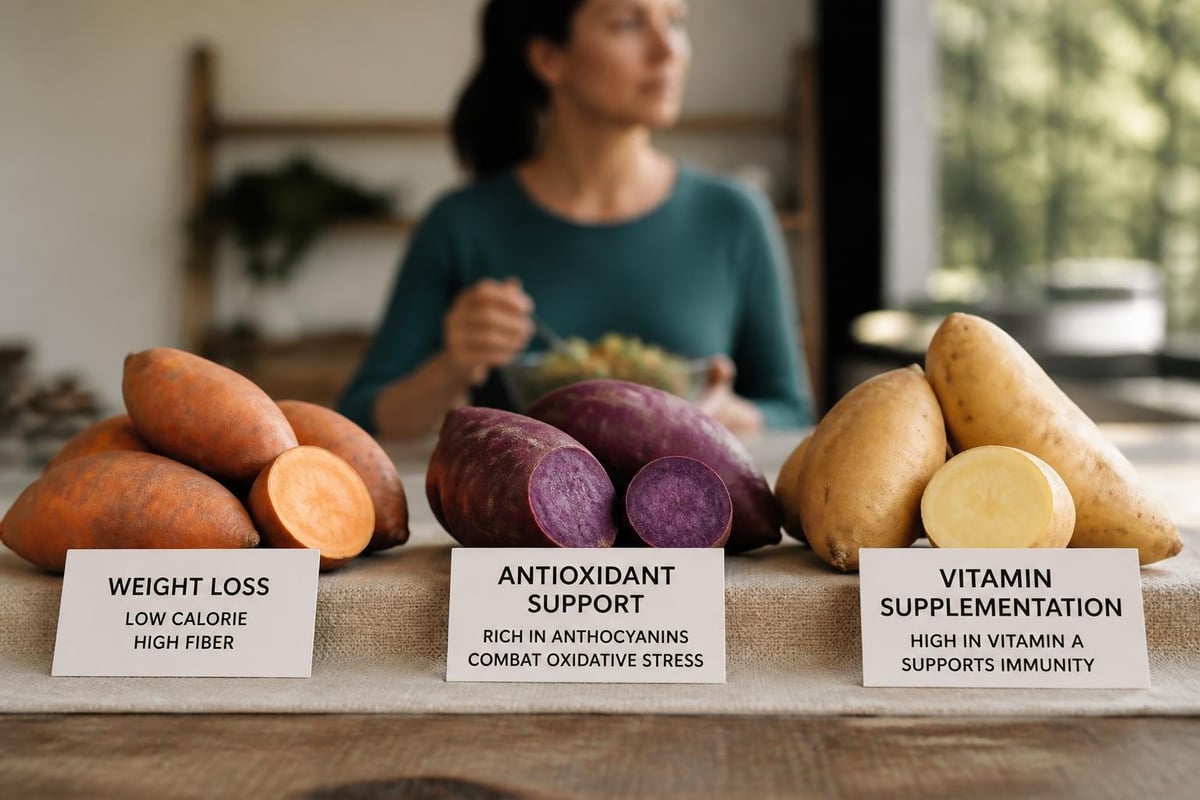
The different colors of sweet potatoes offer varying antioxidant profiles, with purple varieties containing higher anthocyanin concentrations that may support metabolic health. This diversity allows retailers to offer premium product selections for health-focused consumer segments.
Comparative Advantages Over Alternative Carbohydrates
When evaluating sweet potatoes for weight loss against other staple carbohydrates, several measurable advantages emerge for health-conscious consumers and the businesses serving them.
Sweet Potatoes Versus White Potatoes
While both potato varieties offer nutritional benefits, sweet potatoes provide distinct advantages for weight management applications.
| Attribute | Sweet Potato (150g) | White Potato (150g) |
|---|---|---|
| Calories | 112 | 130 |
| Fiber | 3.8g | 2.4g |
| Vitamin A | 438% DV | 0% DV |
| Glycemic Index | 44-78 (variety dependent) | 82-111 |
| Protein | 2g | 3g |
The lower glycemic index range of sweet potatoes contributes to better blood sugar management, which supports metabolic health during weight loss efforts. However, cooking methods significantly influence these values, making supplier education about optimal preparation essential.
Replacement Strategy for Refined Grains
Substituting sweet potatoes for refined grain products creates substantial nutritional improvements while maintaining consumer satisfaction through natural sweetness and satisfying texture.
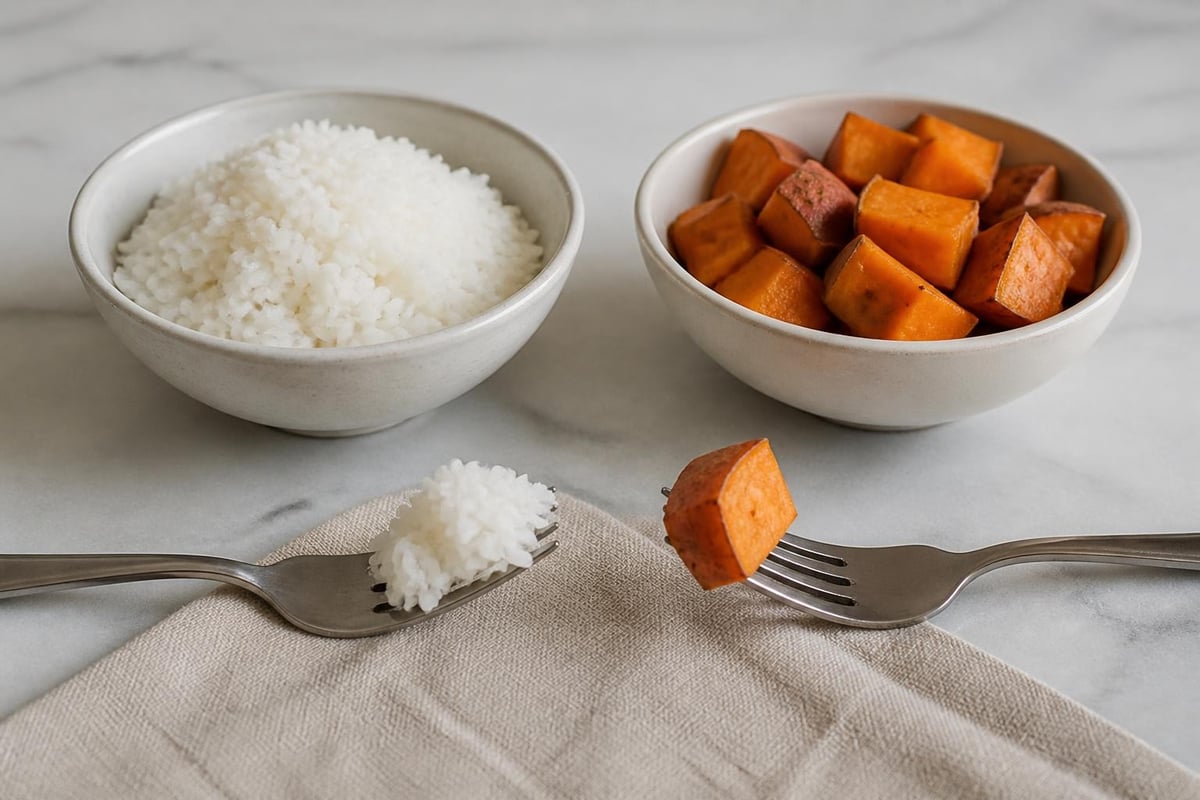
Practical substitutions include replacing white rice, pasta, or bread products with sweet potato-based alternatives. This strategy reduces empty calories while increasing micronutrient intake, fiber consumption, and meal satiety.
International buyers sourcing for health-conscious markets should consider bulk sweet potato suppliers who can provide consistent quality and reliable export documentation supporting nutritional claims.
Export Quality Standards for Health Markets
Importers targeting weight loss and health food segments require sweet potatoes meeting specific quality benchmarks that preserve nutritional integrity throughout international logistics chains.
Grading Criteria for Premium Health Products
Export-grade sweet potatoes designated for health-conscious markets undergo rigorous selection processes that eliminate defects compromising nutritional value or consumer perception.
Quality parameters include:
- Uniform size distribution (200-400 grams per root)
- Intact skin without mechanical damage
- No visible sprouting or soft spots
- Consistent color appropriate to variety
- Moisture content within specified ranges
Professional sweet potato export packaging protects nutritional quality during transit while meeting international food safety regulations. Proper packaging prevents moisture loss that would compromise texture and nutritional concentration.
Post-Harvest Handling for Nutritional Preservation
The period between harvest and consumption directly impacts nutritional quality and the effectiveness of sweet potatoes for weight loss applications. Professional exporters implement controlled curing and storage protocols that maintain vitamin content and prevent premature degradation.
Optimal post-harvest protocols include:
- Curing at 85-90°F (29-32°C) and 85-90% humidity for 5-7 days
- Storage at 55-60°F (13-16°C) with 75-80% relative humidity
- Regular quality monitoring during extended storage periods
- Temperature-controlled shipping containers for international transit
Indonesian exporters working with partner farms in West Java implement these standards to ensure international buyers receive products that retain maximum nutritional value upon arrival.
Market Positioning for Health-Conscious Segments
Distributors and retailers can leverage the weight management benefits of sweet potatoes through strategic positioning that addresses consumer priorities and purchasing behaviors.
Consumer Education and Marketing Support
Effective market penetration requires educating consumers about how to incorporate sweet potatoes into weight loss diets through preparation guidance, recipe development, and nutritional transparency.
Retailers benefit from point-of-sale materials explaining:
- Caloric content per standardized serving
- Fiber contribution to daily requirements
- Preparation methods that maximize benefits
- Suggested meal integration strategies
The natural sweetness of varieties like honey sweet potatoes provides satisfying flavor without added sugars, addressing consumer desires for health foods that don't sacrifice taste.
Product Differentiation Through Variety Selection
Different sweet potato varieties offer distinct flavor profiles, textures, and nutritional concentrations that appeal to specific consumer segments within the health food market.
| Variety Type | Primary Market Appeal | Nutritional Highlight |
|---|---|---|
| Orange-fleshed | Vitamin A seekers | 438% DV per serving |
| Purple-fleshed | Antioxidant focus | High anthocyanin content |
| White-fleshed | Low-sugar preference | Lower natural sweetness |
| Japanese/Honey | Gourmet health food | Creamy texture, chestnut notes |
Understanding these distinctions enables importers to develop targeted product portfolios serving multiple market segments. Japanese purple yams command premium pricing in health food retailers due to their unique antioxidant profile and superior eating quality.
Supply Chain Considerations for International Buyers
Sourcing sweet potatoes for weight loss markets requires understanding seasonal availability, quality consistency, and logistics capabilities that ensure reliable supply throughout the year.
Indonesian Production Advantages
Indonesia's tropical climate enables year-round sweet potato cultivation with multiple harvest cycles annually. This production stability provides international buyers with consistent supply access that supports continuous retail availability.
West Java's volcanic soil composition contributes exceptional nutritional density to Indonesian sweet potatoes, with mineral-rich growing conditions enhancing the micronutrient profiles valued by health-conscious consumers.
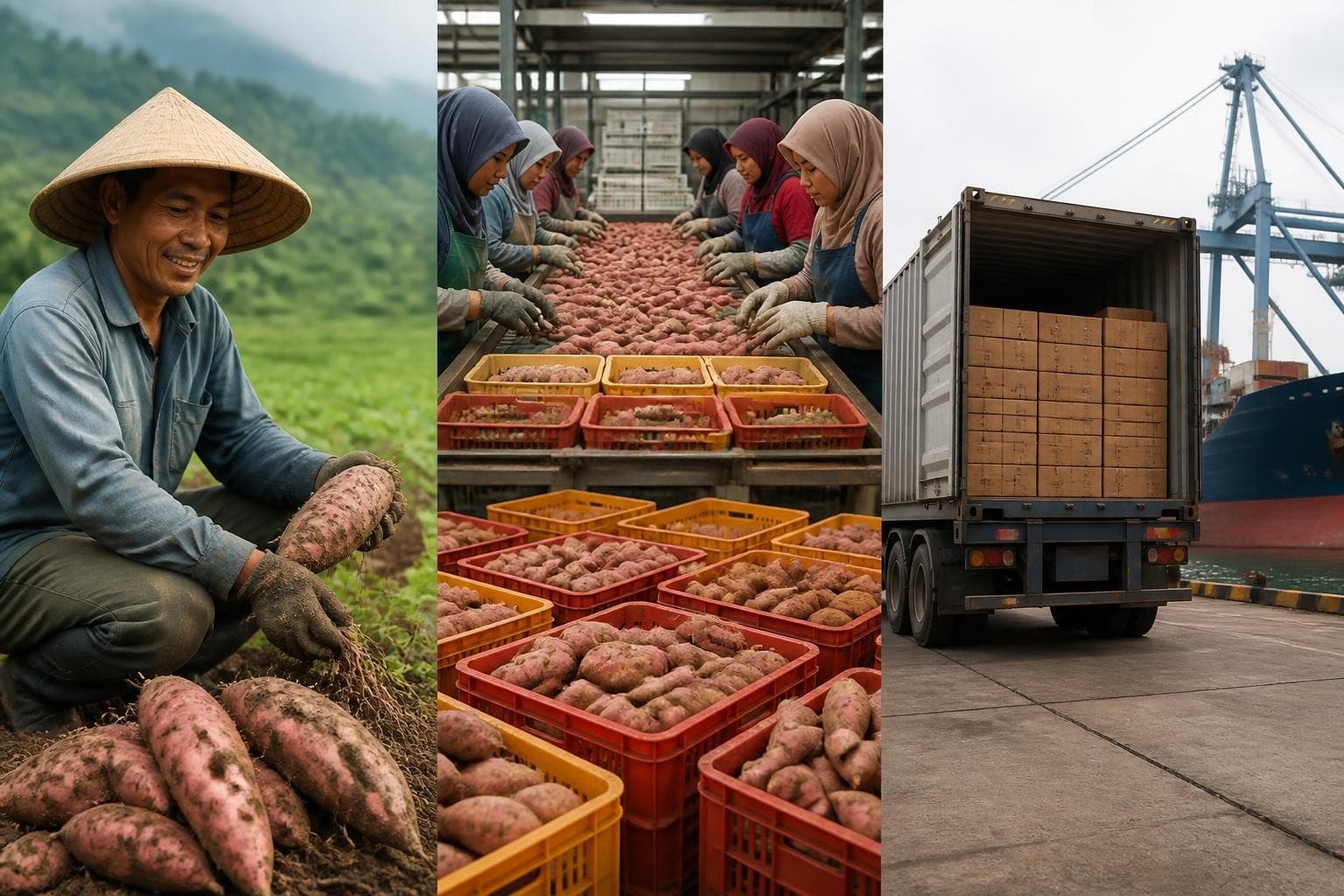
Professional exporters maintain relationships with multiple farming cooperatives to ensure supply continuity during peak demand periods and seasonal variations. This network approach minimizes disruption risks for international buyers dependent on consistent product flow.
Documentation and Certification Requirements
Health food importers typically require comprehensive documentation verifying food safety compliance, pesticide residue testing, and nutritional analysis supporting marketing claims about sweet potatoes for weight loss.
Essential export documentation includes:
- Phytosanitary certificates from Indonesian agricultural authorities
- Third-party laboratory analysis confirming nutritional specifications
- HACCP compliance documentation from processing facilities
- Cold chain monitoring records for temperature-sensitive shipments
- Country-specific import permits and customs declarations
Experienced exporters like those specializing in sweet potato export from Indonesia maintain current knowledge of importing country requirements, reducing clearance delays and compliance issues.
Pricing Dynamics in Health Food Markets
Understanding value perception and pricing strategies for premium sweet potatoes helps importers optimize margins while maintaining competitive positioning in health-conscious retail segments.
Premium Positioning Justification
Consumers purchasing sweet potatoes for weight loss applications demonstrate higher willingness to pay for verified quality, organic certification, and superior eating characteristics compared to commodity produce buyers.
Price premiums of 25-40% above conventional sweet potatoes are sustainable when supported by:
- Certified organic production methods
- Superior size uniformity and appearance
- Documented nutritional testing
- Traceability to specific growing regions
- Distinctive variety characteristics
The growing demand for health-focused sweet potato products supports premium pricing strategies that reward quality-focused exporters and their farming partners.
Volume Commitment Benefits
International buyers committing to regular volume purchases gain access to preferential pricing, priority allocation during supply constraints, and customized grading specifications aligned with their target markets.
Minimum order quantities for export shipments typically range from 10-20 metric tons per container, with pricing advantages increasing at volumes exceeding 40 metric tons monthly. Long-term supply agreements provide additional cost stability for both exporters and importers.
Regulatory Compliance Across Target Markets
Different importing countries maintain varying standards for sweet potato imports, particularly products marketed for health benefits like weight loss support.
North American Market Requirements
United States and Canadian imports require compliance with FDA and CFIA regulations respectively, including specific labeling requirements for nutritional claims and country-of-origin marking.
Recent updates to nutritional labeling standards require accurate calorie counts, fiber content, and micronutrient declarations on retail packaging. Exporters must provide verified analytical data supporting these declarations.
European Union Standards
EU imports follow stringent pesticide residue limits often more restrictive than other markets, requiring Indonesian exporters to implement enhanced testing protocols and potentially modify cultivation practices for EU-destined products.
Maximum residue levels (MRLs) for sweet potatoes vary by specific pesticide compound, with some substances prohibited entirely under EU regulations. Professional exporters maintain current MRL databases and adjust farming partner protocols accordingly.
Asian-Pacific Import Protocols
Markets including Japan, South Korea, Singapore, and Australia each maintain distinct phytosanitary requirements and quality expectations for sweet potato imports.
Japanese markets particularly value specific varieties like Murasaki sweet potatoes for their superior texture and natural sweetness, commanding premium prices that reward quality-focused suppliers.
Quality Assurance Throughout Export Operations
Maintaining the nutritional integrity essential for sweet potatoes for weight loss applications requires systematic quality control from farm to final destination.
Pre-Shipment Inspection Protocols
Professional exporters implement multi-stage inspection processes that verify compliance with buyer specifications before container loading.
Inspection checkpoints include:
- Farm-level selection during harvest operations
- Post-curing quality verification at packing facilities
- Pre-packing inspection for size, color, and defect screening
- Final container inspection before sealing and shipping
- Temperature monitoring device installation for transit tracking
These protocols ensure buyers receive products meeting agreed specifications and maintaining the nutritional quality supporting weight management applications.
Handling Seasonal Quality Variations
Even with year-round production, environmental factors create natural quality variations that professional exporters must manage to maintain consistent supply.
During monsoon periods, enhanced curing procedures compensate for higher field moisture content. Dry season harvests may require adjusted storage protocols preventing excessive moisture loss. Experienced exporters adapt handling procedures to seasonal conditions while maintaining specification compliance.
Understanding Indonesia's sweet potato harvest cycles enables buyers to optimize ordering schedules and inventory management aligned with peak quality periods.
Sweet potatoes deliver measurable nutritional advantages for weight management through their fiber content, low caloric density, and satisfying eating characteristics that reduce overall calorie consumption. For international buyers serving health-conscious markets, sourcing premium-quality sweet potatoes from reliable exporters ensures product consistency, regulatory compliance, and the nutritional integrity consumers expect. PT Cakra Baja Niaga works directly with partner farms in West Java to provide international importers, distributors, and retailers with export-grade sweet potatoes meeting stringent quality standards and supporting transparent, dependable trade relationships. Contact our export team today for product specifications, pricing quotations, and sample arrangements tailored to your market requirements.
Looking to source premium Indonesian sweet potatoes?
PT Cakra Baja Niaga supplies export-grade Cilembu, Purple, and Murasaki varieties to buyers worldwide.
Continue reading
Wholesale Sweet Potatoes Indonesia: B2B Export Guide 2026
Source premium wholesale sweet potatoes Indonesia for import. Quality standards, export logistics, varieties, pricing & supplier partnerships.
Read article
Sweet Potatoes Supplier Indonesia: Quality & Export Guide
Find reliable sweet potatoes supplier Indonesia offering premium export quality. Learn about sourcing, grading, logistics, and partnerships.
Read article
Sweet Potatoes Grading Guide for International Buyers
Comprehensive sweet potatoes grading guide for exporters and importers. Learn USDA standards, size classification, defect tolerance, and quality control.
Read article